
Is Palm Vein Recognition Safe?
The answer is yes. Palm vein recognition is widely considered one of the safest, most accurate, and most privacy-protected biometric technologies in the world. Unlike facial recognition or fingerprint scanning, palm vein authentication relies on internal biological characteristics, making it extremely resistant to spoofing and identity theft.
This article provides an in-depth explanation of the safety, technical principles, encryption standards, and real-world applications of palm vein biometrics.
What Is Palm Vein Recognition?
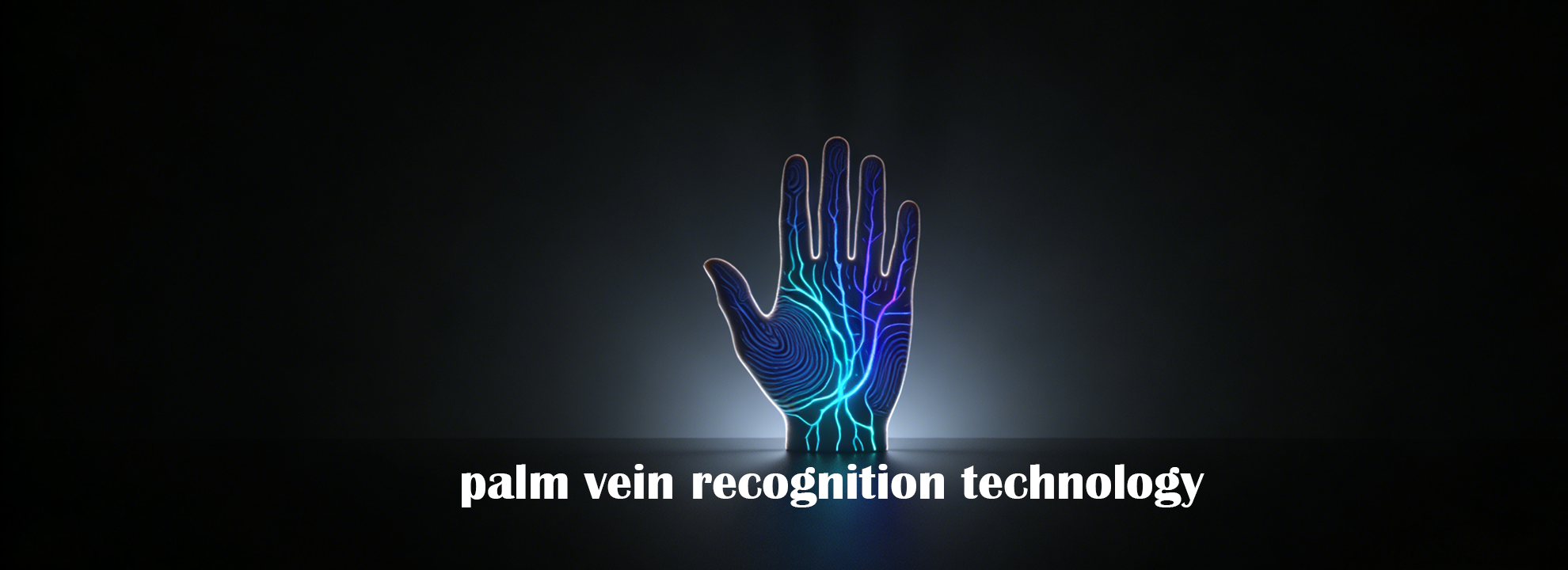
Palm vein recognition is a contactless biometric identification technology that uses near-infrared (NIR) light to capture the unique vein pattern inside a person’s palm. These vein patterns—called vascular patterns—form before birth and remain stable throughout life.
Key characteristics of palm vein biometrics:
Internal biometric trait, invisible to others
High uniqueness, with trillions of possible pattern combinations
Extremely low chance of duplication
Contactless scanning, improving hygiene and user experience
High accuracy, even with aging or skin conditions
As a result, palm vein recognition has become a trusted technology for biometric access control systems, enterprise security, government identity programs, hospital patient verification, and banking authentication.
How Palm Vein Recognition Works
Palm vein biometrics works through a multi-layered process involving imaging, pattern extraction, template encryption, and matching algorithms.
1. Near-infrared imaging
The palm is scanned using NIR light, which is safely absorbed by deoxygenated hemoglobin in the veins. This reveals a high-contrast vascular pattern image that cannot be seen by the naked eye.
2. Vein pattern extraction
Advanced biometric algorithms convert the captured vascular map into a digital template.
3. Template encryption & secure storage
The system stores only a mathematical representation—not the original image—using robust encryption protocols such as:
AES-256
SHA-256 hashing
Secure enclave storage
This ensures compliance with international standards such as GDPR, ISO/IEC 19795, and ISO/IEC 30107.
4. Live authentication
During verification, the sensor scans the palm again and compares the live vascular pattern with the encrypted template using a matching algorithm.
This multilayered design provides extremely high security, making palm vein scanning suitable for financial institutions, data centers, airports, and critical infrastructure facilities.
Why Palm Vein Recognition Is Extremely Safe
Below are key reasons why palm vein technology is considered one of the safest forms of biometric authentication.
1. Internal Biometrics With Strong Anti-Spoofing Protection
Palm vein recognition is based on internal and invisible vein patterns, making it extremely difficult to copy or steal. Unlike fingerprints or facial images, vein patterns cannot be lifted from surfaces or captured by cameras. The system also includes liveness detection, requiring real blood flow, which prevents spoofing with photos, artificial hands, or silicone molds. This combination provides one of the strongest anti-counterfeit protections among all biometric technologies.
2. Contactless, Hygienic, and Highly Accurate Authentication
The technology operates completely touch-free, ensuring better hygiene, minimal sensor wear, and long-term stability—even in high-traffic environments. Palm vein recognition offers very low FAR and FRR, delivering consistent accuracy across different ages, skin conditions, and environments. Users with worn fingerprints, dry skin, or sweaty palms can still be recognized accurately, making it ideal for enterprises, hospitals, banks, and government facilities.
3. Strong Privacy Protection and Encrypted Biometric Templates
Palm vein data is stored as an encrypted, non-reversible template, ensuring compliance with global standards such as GDPR and ISO/IEC. The system never stores actual images, meaning the biometric template cannot be reconstructed, even in the event of a data breach. Combined with secure storage, on-device matching, and modern encryption algorithms, palm vein recognition offers an exceptional level of biometric data security and user privacy protection.
Where Palm Vein Recognition Is Used
Access Control & Security Systems: Palm vein recognition is widely used in offices, factories, government buildings, data centers, and airports, providing high-security authentication for employees, visitors, and contractors. Its contactless design and anti-spoofing features ensure reliable protection in sensitive areas.
Time Attendance & Workforce Management: Many companies implement palm vein authentication for accurate and hygienic employee attendance tracking. The fast, touch-free scanning process helps streamline workforce management while preventing buddy punching or identity fraud.
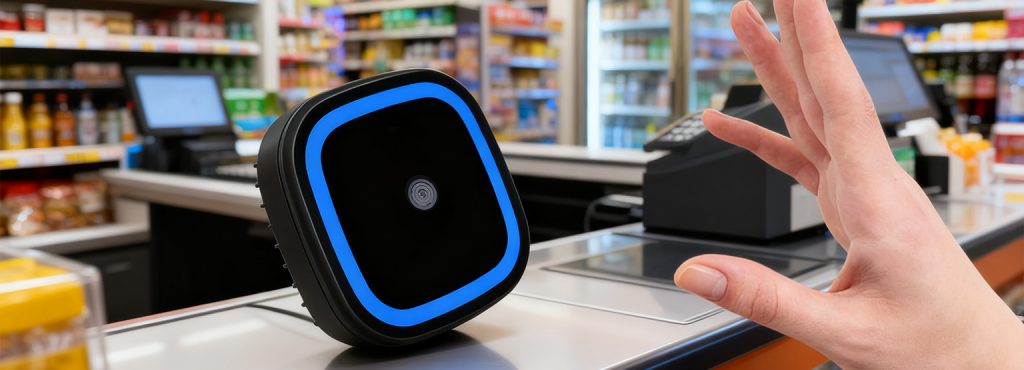
Banking & Financial Services: Banks and financial institutions rely on palm vein biometrics for secure customer verification, ATM access, and high-value transaction approvals. Its encrypted biometric templates protect sensitive user data while preventing fraud.
Government ID & National Programs: Palm vein recognition is used in large-scale identity management and citizen registration programs due to its stability over time and resistance to spoofing, making it ideal for national ID projects and border control.
Healthcare & Hospitals: Hospitals leverage palm vein authentication for patient identification, medical record protection, and secure access to sensitive areas. Its contactless nature improves hygiene, especially in high-traffic medical environments.
Education & Campus Management: Schools and universities adopt palm vein recognition for secure campus entry, student attendance verification, and cafeteria or exam authentication, ensuring smooth operations and enhanced safety for students and staff.

Заключение
Palm vein recognition is not only safe—it is one of the most secure, hygienic, and privacy-centric biometric technologies in the industry.
Its internal vein pattern structure, powerful anti-spoofing mechanisms, encrypted template protection, and contactless operation make it ideal for modern security systems.
For organizations seeking reliable, future-ready biometric security, palm vein recognition stands as a top-tier, highly trusted authentication solution.
Связаться с нами
We would love to speak with you.
Feel free to reach out using the below details.
 Русский
  English
  العربية
  Français
  日本語
日本語  Қазақ тілі
  한국어
한국어  Español
  Tiếng Việt