


Understanding Iris Scan Biometrics Technology
At its core, iris scan biometrics technology works by capturing a detailed image of the colored ring around the pupil. The iris contains intricate patterns formed by furrows, rings, and freckles that are unique to every individual — even identical twins have different iris patterns.
How the Process Works
The iris recognition process typically involves several steps:
1. التقاط الصور
A specialized camera uses near-infrared light to capture a high-resolution image of the iris. This illumination is safe and helps reveal detailed texture without being affected by eye color.
2. Feature Extraction
The system analyzes the iris image and converts its patterns into a digital template. This template is a mathematical representation, not a photograph.
3. Template Matching
During authentication, the new iris scan is compared against stored biometric templates in a database. If the similarity score exceeds a defined threshold, identity is confirmed.
As a result, iris scan biometrics provides fast, contactless, and highly reliable identity verification.
Why Iris Scan Biometrics Is So Accurate
One of the main reasons organizations adopt iris scan biometrics is its exceptional accuracy. Compared to other biometric modalities, the iris offers several advantages:
Uniqueness – Iris patterns are extremely complex and statistically unique.
Stability – The iris remains stable throughout a person’s life after early childhood.
Low False Match Rates – Iris recognition systems have very low false acceptance and false rejection rates.
Because of these characteristics, iris scan biometrics is often used in high-security environments where precision is critical.
Key Benefits of Iris Scan Biometrics
1. Contactless Authentication
Unlike fingerprint systems, iris scan biometrics does not require physical contact. This improves hygiene, reduces wear on devices, and enhances user convenience.
2. High-Speed Identification
Modern iris recognition systems can complete identity verification in seconds, making them suitable for high-traffic access control points such as airports and office buildings.
3. Enhanced Security
Iris patterns are internal and difficult to capture without cooperation, which makes spoofing extremely challenging. When combined with liveness detection, iris scan biometrics offers strong protection against identity fraud.
4. Scalability for Large Databases
Iris recognition performs well even in large-scale identification systems, such as national ID programs and border control databases.
Common Applications of Iris Scan Biometrics
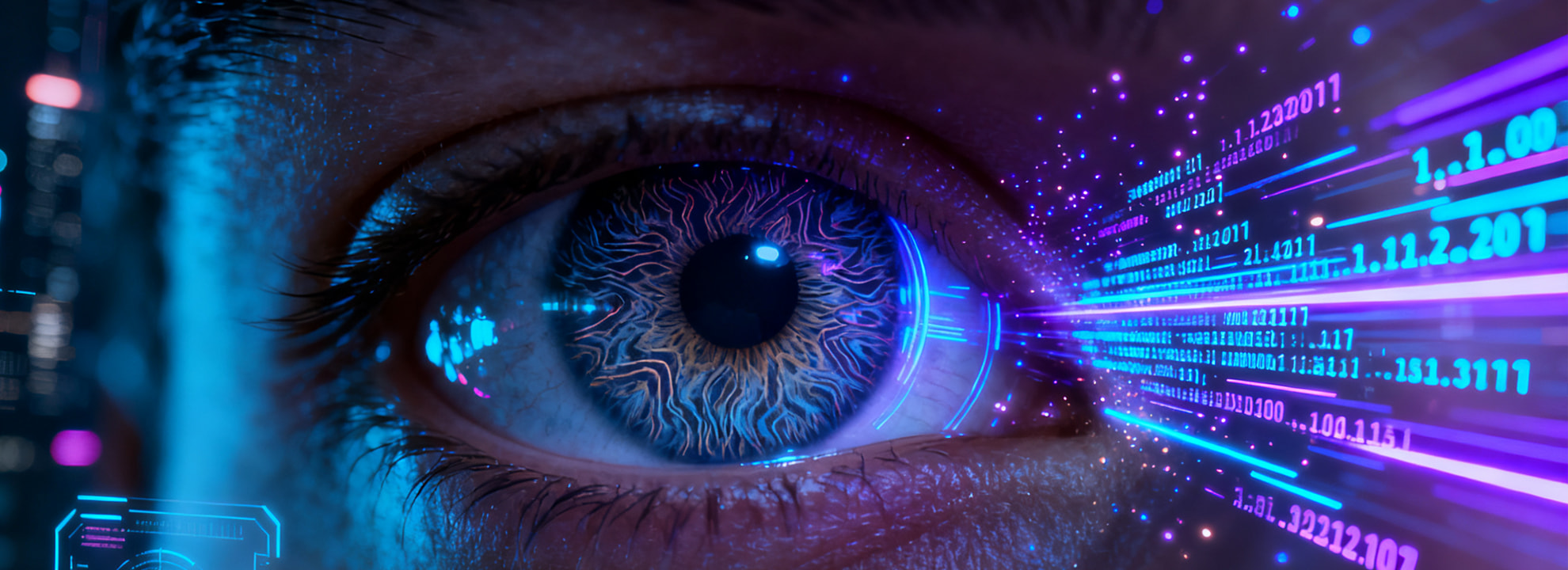
Thanks to its reliability and security, iris scan biometrics is used across multiple industries.
Border Control – Fast and accurate traveler identity verification
National ID Programs – Large-scale citizen identification systems
Airport Security – Passenger processing and restricted area access
Enterprise Access Control – Secure entry for offices and sensitive areas
Banking & Finance – Strong customer authentication and fraud prevention
Healthcare – Reliable patient identification and record protection
Law Enforcement – Suspect identification and secure facility access
Military & Defense – High-security zone and base access control
Data Centers – Protection of critical IT infrastructure
Time and Attendance – Accurate employee identity verification
Smart Cities – Secure access to public infrastructure systems
Humanitarian Programs – Beneficiary identification and aid distribution
Iris Scan Biometrics vs Other Biometric Technologies
When comparing biometric systems, organizations often evaluate iris recognition alongside fingerprint and facial recognition.
Compared to fingerprint recognition, iris scan biometrics is more hygienic and less affected by worn or damaged skin.
Compared to facial recognition, iris scanning provides higher accuracy and is less influenced by lighting or facial changes.
Therefore, iris scan biometrics is frequently chosen for high-security and high-accuracy applications.
Privacy and Data Security in Iris Biometrics
A common concern is how biometric data is stored and protected. Importantly, iris scan biometrics systems do not store actual eye images for matching. Instead, they store encrypted biometric templates that cannot easily be reverse-engineered into an image.
In addition, modern systems support:
Encrypted data transmission
Secure template storage
Compliance with data protection regulations
These measures help ensure that iris biometric authentication remains both secure and privacy-conscious.
The Future of Iris Scan Biometrics
As biometric technology continues to evolve, iris scan biometrics is becoming more compact, affordable, and easier to integrate with multi-biometric systems. Many modern devices now combine iris recognition with facial or fingerprint authentication for even higher security.
Furthermore, the demand for contactless biometric solutions is driving wider adoption in smart cities, transportation hubs, and digital identity platforms.
خاتمة
So, what is iris scan biometrics? It is a highly secure, accurate, and contactless biometric identification method that uses the unique patterns of the human iris for identity verification. Because of its stability, resistance to spoofing, and scalability, iris scan biometrics plays a vital role in modern access control systems, national ID programs, and enterprise security solutions.
As security requirements continue to grow, iris scan biometrics is set to remain one of the most trusted technologies for reliable and future-ready identity authentication.
