In today’s digital era, security and identity verification have become critical for enterprises, governments, financial institutions, and industrial facilities. Traditional authentication methods such as passwords, PIN codes, and ID cards are increasingly vulnerable to fraud, loss, and duplication.
As a result, multi-modal biometric identity authentication systems are rapidly becoming the preferred solution for secure access control and attendance management.
This article explains how biometric identity authentication works, why multi-biometric technology is more secure, and how it improves modern workforce and facility management.
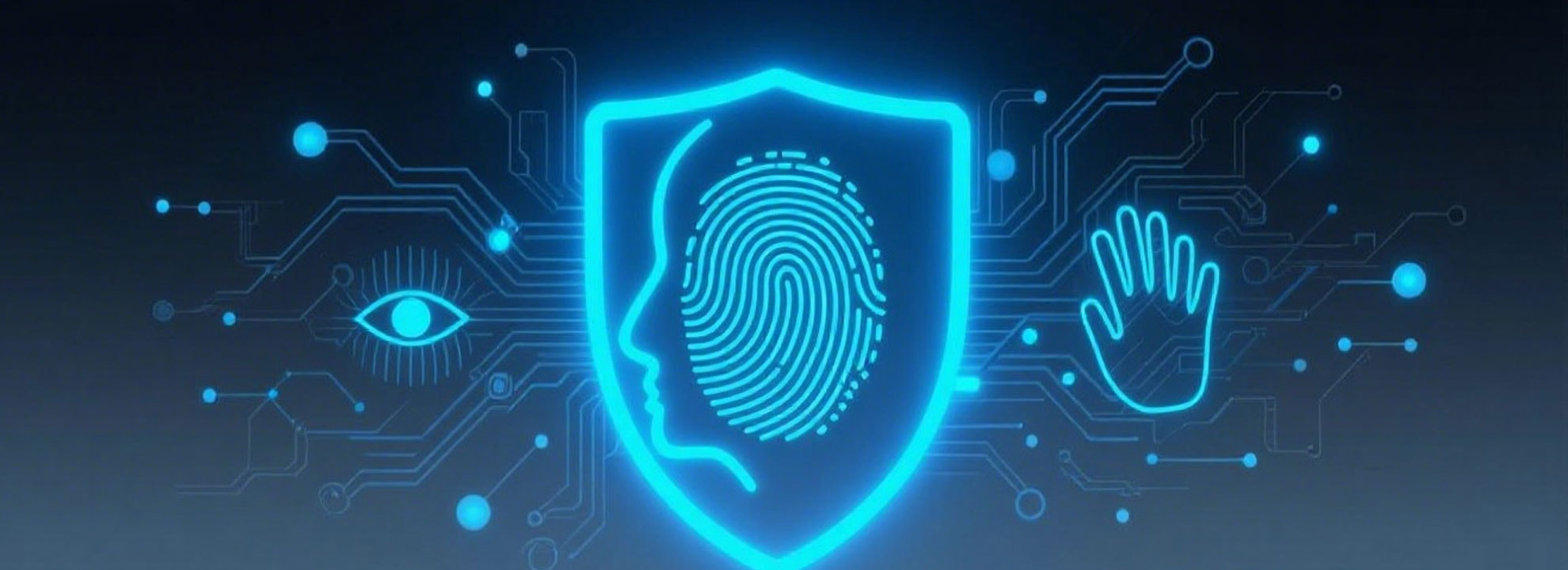
What Is a Biometric Identity Authentication System?
A biometric identity authentication system verifies a person’s identity based on unique biological characteristics. Unlike passwords or cards, biometric traits cannot be forgotten, easily copied, or shared.
Common biometric modalities include:
Reconocimiento facial
Reconocimiento de huellas dactilares
Reconocimiento de vena de la palma
Reconocimiento de iris
These systems capture biometric data, convert it into encrypted digital templates, and compare it with stored records to confirm identity.
What Is Multi-Modal Biometric Authentication?
Multi-modal biometric authentication integrates two or more biometric technologies into a single system, offering higher security and flexibility than traditional single-biometric systems.
Popular combinations include:
Face + Palm Vein
Face + Fingerprint
Iris + Palm Vein
Face + Fingerprint + Palm Vein + QR + NFC
By combining multiple biometric factors, multi-modal systems significantly reduce false acceptance rates and provide enhanced security performance. Compared to single-biometric solutions, these systems deliver:
Higher accuracy in identifying and verifying users
Stronger anti-spoofing protection against fake fingerprints, photos, or masks
Better adaptability to various environmental conditions, such as low light or outdoor settings
Flexible verification options for different use cases, including access control, attendance, and secure payments
Implementing multi-modal biometric authentication, such as Face + Palm Vein + Fingerprint + Iris + QR + NFC, ensures a robust, reliable, and user-friendly security solution for modern enterprises.
Why Biometric Identity Authentication Is Essential for Access Control
Modern access control systems require high security and seamless user experience. Traditional access cards can be lost or duplicated. Passwords can be leaked.
Biometric access control systems solve these issues by ensuring:
1. Contactless and Secure Entry
Facial recognition and palm vein authentication provide touch-free identification, improving hygiene and convenience.
2. Anti-Spoofing Protection
Advanced liveness detection technology prevents fake fingerprints, photos, or 3D masks from bypassing the system.
3. Real-Time Identity Verification
Authentication takes less than one second, allowing fast and efficient entry management in high-traffic areas.
4. Integration with Turnstile Gates
Biometric authentication devices can be integrated with:
Speed gates
Swing gates
Tripod turnstiles
This creates a fully automated access control system.
Biometric Identity Authentication for Attendance Management
Workforce attendance management requires accuracy and automation. Manual sign-in sheets and card punching systems are prone to buddy punching and data manipulation.
A biometric attendance system ensures:
Accurate time tracking
Elimination of proxy attendance
Real-time attendance reports
Centralized workforce management
When integrated with attendance software, companies can manage:
Employee check-in and check-out
Shift scheduling
Overtime calculation
Gestión de visitantes
This significantly improves operational efficiency and data transparency.
Key Biometric Technologies Used in Multi-Modal Systems
Reconocimiento Facial
Facial recognition uses AI algorithms to analyze facial features and match them with stored templates. It is ideal for fast, contactless authentication.
Reconocimiento de Huella Digital
Fingerprint authentication remains one of the most widely used biometric technologies due to its reliability and cost efficiency.
Reconocimiento de vena de la palma
Palm vein authentication uses near-infrared light to capture vein patterns beneath the skin, offering extremely high security and anti-counterfeit capability.
Reconocimiento de iris
Iris authentication analyzes unique iris patterns, providing one of the most accurate biometric identification methods available.

Benefits of Multi-Modal Biometric Identity Authentication Systems
Implementing a multi-biometric authentication system provides several advantages:
Enhanced security level
Reduced fraud risk
High recognition accuracy
Contactless verification
Fast processing speed
Seamless system integration
Scalable enterprise deployment
Furthermore, these systems can be customized for different industries and compliance requirements.
Applications Across Industries
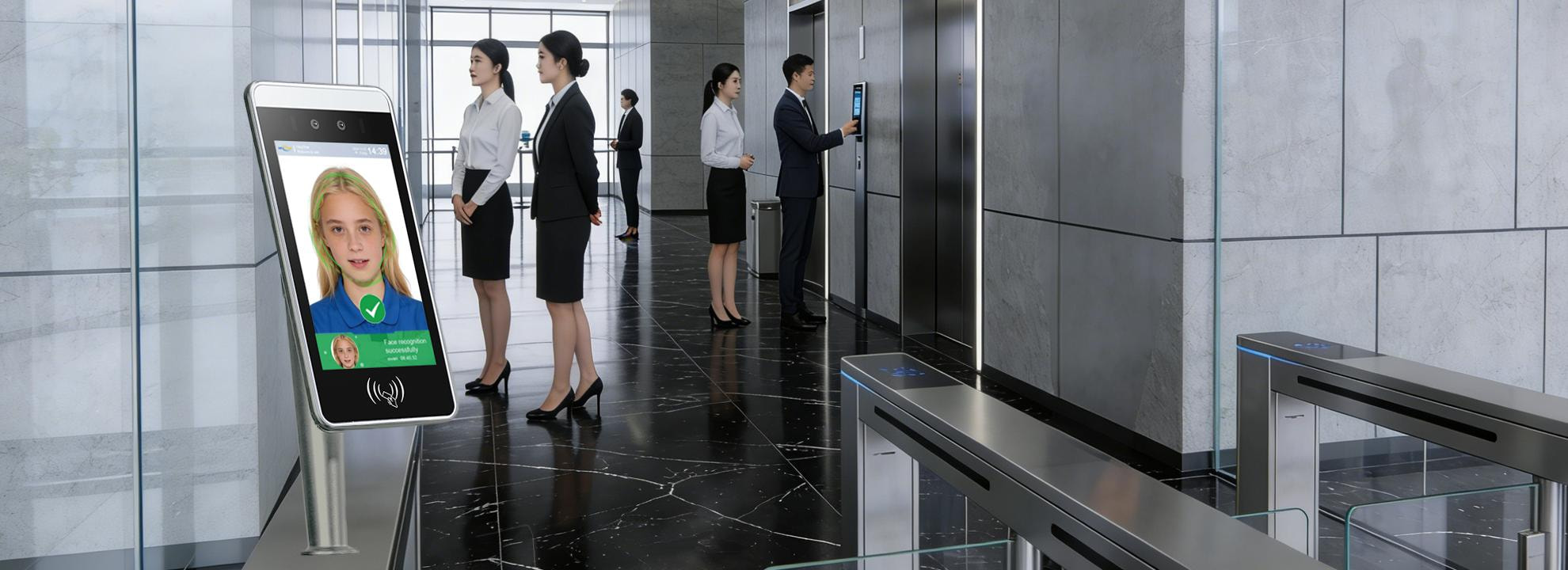

Multi-modal biometric authentication systems are widely used in:
Government and national ID programs
Airports and transportation hubs
Corporate office buildings
Manufacturing plants
Financial institutions
Data centers
Healthcare facilities
Educational institutions
Each industry benefits from improved identity verification, secure access management, and reliable attendance tracking.
The Future of Biometric Identity Authentication
With advancements in artificial intelligence, cloud computing, and edge computing, biometric authentication systems are becoming smarter and more efficient.
Future trends include:
AI-powered identity verification
Cloud-based biometric management platforms
Mobile biometric authentication
Touchless access control environments
Integrated security ecosystems
As security threats continue to evolve, biometric identity authentication will play an even greater role in protecting people, data, and infrastructure.
Conclusión
A multi-modal biometric identity authentication system is no longer a luxury—it is a necessity for organizations that prioritize security, efficiency, and digital transformation.
By combining facial recognition, fingerprint scanning, palm vein technology, and iris recognition into one integrated platform, businesses can achieve:
Secure access control
Accurate attendance management
Prevención del fraude
Operational efficiency
Investing in advanced biometric authentication solutions ensures long-term security and scalable growth.
Preguntas frecuentes
What is the difference between biometric authentication and identity verification?
Biometric authentication confirms a user’s identity using stored biometric data, while identity verification may include document checks and additional validation processes.
Is multi-modal biometric authentication more secure?
Yes. Combining multiple biometric modalities significantly reduces the risk of spoofing and false acceptance.
Can biometric authentication systems integrate with turnstile gates?
Yes. Biometric devices can be integrated with speed gates, swing gates, and other access control hardware for automated entry management.
Are biometric attendance systems accurate?
Biometric attendance systems eliminate buddy punching and ensure accurate, real-time attendance tracking.
Is biometric authentication suitable for high-security environments?
Absolutely. Technologies such as palm vein and iris recognition provide extremely high accuracy and anti-spoofing capabilities, making them ideal for high-security facilities.
