What Is an Iris Tablet?
An iris tablet is a biometric device used to capture and verify the unique patterns of a person’s iris for identity authentication. The iris contains complex and stable features that remain unchanged over a lifetime, making it one of the most reliable biometric identifiers.
Compared with traditional methods such as passwords, ID cards, or fingerprints, iris recognition offers:
- Higher security accuracy
- Contactless verification
- Fast authentication speed
- Strong resistance to forgery
Because of these advantages, iris tablets are widely adopted in high-security identity systems across different industries.
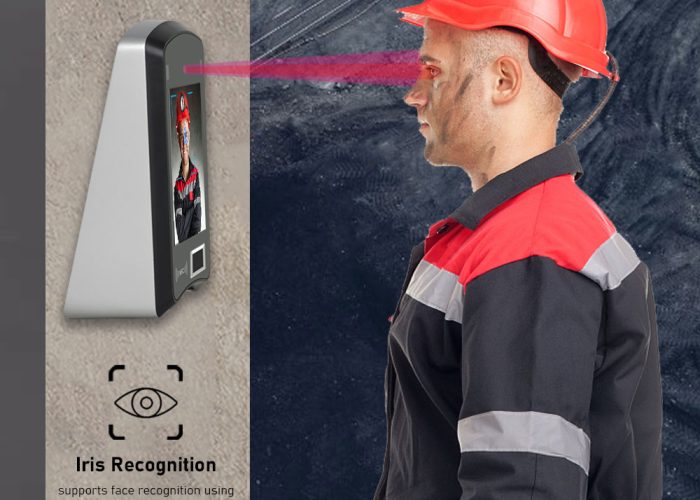
Iris Tablet Uses in Biometric Enrollment
One of the primary iris tablet uses is in biometric enrollment systems. Biometric enrollment refers to the process of collecting and storing a person’s biometric data into a secure database for future identity verification.
Key Applications:
- National identity registration programs
- Passport and immigration systems
- Voter registration systems
- Employee onboarding in enterprises
During enrollment, the iris tablet captures high-definition iris images and converts them into encrypted biometric templates. These templates are then stored in centralized databases or cloud-based systems for future matching.
Importance of Enrollment Systems:
First of all, iris recognition ensures that each individual has a unique identity record. In addition, it significantly reduces the risk of duplicate or fake registrations. As a result, governments and enterprises can build highly secure and reliable identity databases.
Iris Tablet Uses in KYC Processes
Another major application of iris tablets is in KYC processes, especially in banking, fintech, and telecom industries.
Key Applications:
- Bank account opening verification
- Mobile SIM card registration
- Digital wallet onboarding
- Remote customer identity verification
How It Works:
When a user registers for a service, the iris tablet captures their iris pattern and matches it with existing identity records or national databases. This ensures that the user is legitimate and prevents identity fraud.
Advantages in KYC:
Moreover, iris-based verification significantly improves onboarding efficiency. Instead of manual document verification, identity authentication can be completed within seconds. Consequently, businesses can reduce operational costs while improving customer experience and compliance.
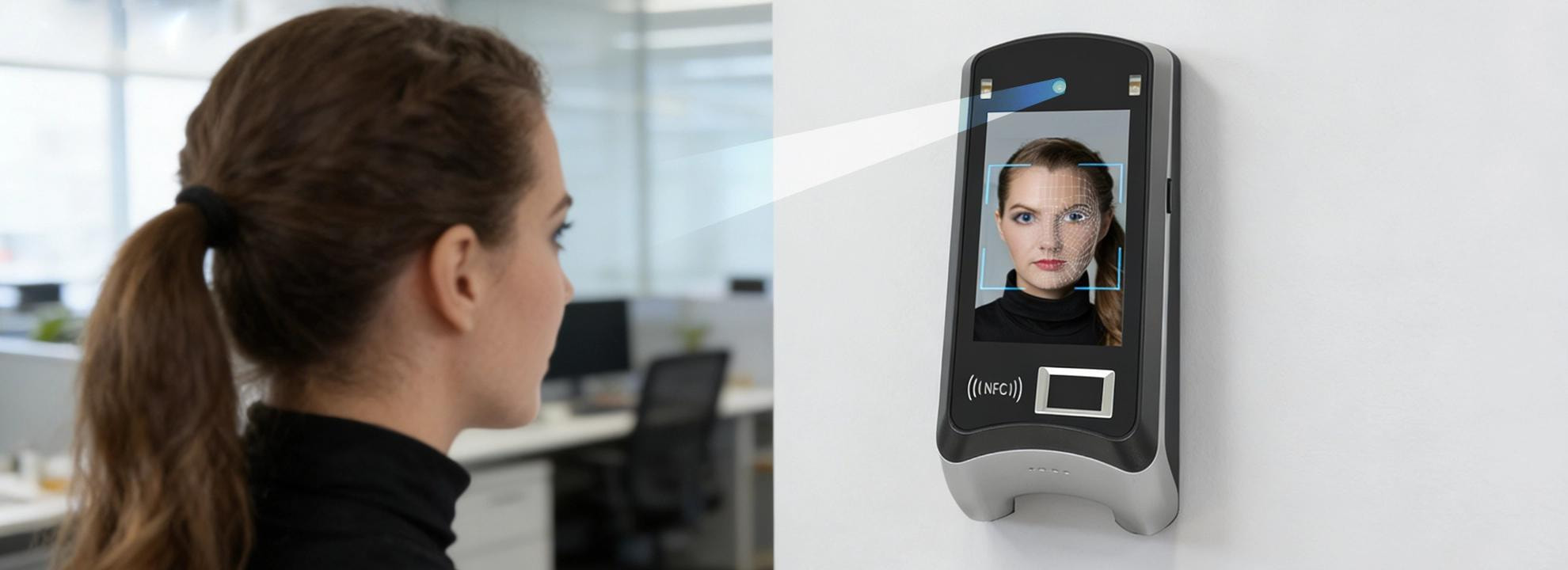
Iris Tablet Uses in Time Attendance Systems
In addition to identity verification, iris tablets are widely used in time attendance and workforce management systems.
Key Applications:
- Corporate employee attendance tracking
- Government staff management
- Construction site access control
- Industrial workforce monitoring
Why Iris Recognition Is Effective:
Traditional attendance systems such as ID cards or fingerprint scanners can be shared or manipulated. However, iris recognition provides a contactless and highly secure solution.
Employees simply look at the iris tablet, and attendance is recorded instantly. This eliminates issues such as buddy punching and ensures accurate workforce tracking.
Key Benefits of Iris Tablet Technology
Across biometric enrollment, KYC, and attendance systems, iris tablets offer several important advantages that make them a preferred choice for high-security applications.
High Security Level
Iris patterns are highly complex and unique, making them extremely difficult to replicate or forge. Unlike passwords or cards, iris data cannot be easily shared or stolen. In addition, advanced liveness detection helps prevent spoofing, ensuring that only real users are authenticated in sensitive applications such as KYC and national ID systems.
Fast and Contactless Operation
Iris recognition allows users to complete authentication without physical contact. The process takes only a few seconds, which improves efficiency in high-frequency scenarios such as attendance tracking and customer onboarding. At the same time, contactless verification enhances hygiene and user convenience.
Alta precisión
Iris recognition delivers very low false acceptance and rejection rates, ensuring reliable identity verification. Moreover, iris patterns remain stable over a lifetime, unlike some other biometric traits. This makes iris tablets especially suitable for long-term systems such as national databases and enterprise attendance platforms.
Scalability for Large-Scale Deployment
Iris tablet solutions can support large databases and high user volumes without compromising performance. Whether used in government projects, financial institutions, or large enterprises, the system can scale efficiently to meet growing demands.
Easy Integration with Existing Systems
Modern iris tablets support flexible integration with access control systems, attendance software, and identity management platforms. With available SDKs and APIs, organizations can quickly deploy and customize solutions based on their specific operational needs.
Reduced Fraud and Improved Efficiency
By automating identity verification, iris tablets help reduce fraud, duplicate registrations, and manual errors. This not only improves system reliability but also lowers operational costs. As a result, businesses and governments can achieve higher efficiency while maintaining strong security standards.
Integration with Modern Biometric Systems
Modern iris tablets are often used as part of multi-biometric solutions. These systems may combine:
- Reconocimiento facial
- Escaneo de huellas dactilares
- Reconocimiento de vena de la palma
- RFID or NFC card verification
This multi-layer approach enhances system security and provides flexible identity verification options for different environments and industries.

Future Outlook of Iris Tablet Applications
The demand for iris tablets is expected to continue growing as digital identity systems expand globally. Governments are investing heavily in national ID programs, while enterprises are upgrading their workforce management systems.
At the same time, the rise of digital banking and remote onboarding is increasing the need for secure and fraud-resistant identity verification technologies. Iris recognition is becoming a core component of this transformation.
Conclusión
In summary, iris tablet uses in biometric enrollment, KYC, and time attendance systems demonstrate the importance of iris recognition in modern identity management. With its high accuracy, strong security, and contactless operation, the iris tablet is becoming an essential solution for organizations that require reliable biometric authentication.
As digital transformation continues, iris-based systems will play an even more important role in building secure, efficient, and trusted identity ecosystems worldwide.
