Palm Vein Access · Wall-Mount

Palm Vein Access Control Terminal — HF-PA86D

El HF-PA86D is a wall-mount palm vein access control terminal that fits a standard 86-type junction box — a contactless palm vein + palm print door entry system with 7–15 cm working distance, ≤450 ms matching and natural liveness detection — headscarves, face masks and gloves are never an obstacle.
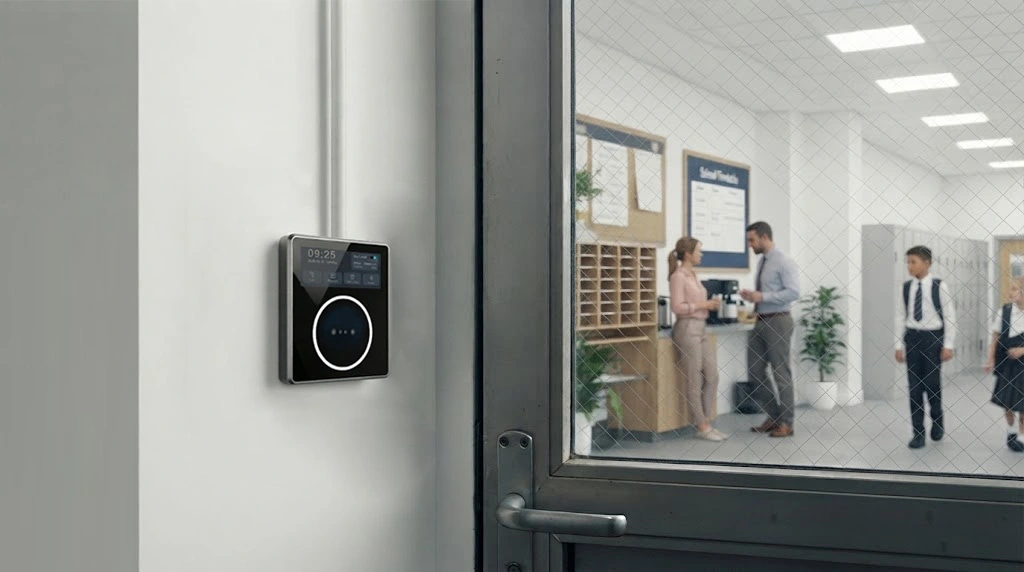
HF-PA86D palm vein access control terminal — https://hfsecurity.cn
HF-PA86D — Palm Vein Access · Wall-Mount
7–15 cmContactless working distance
≤450 msMatching time
0.0001%FAR (1 in 10,000)
86×86 mmFits standard 86-box
Factory direct · since 2005Free SDK & APIOEM / ODM welcomeSample & bulk ordersReply within 1 business day
Why HF-PA86D

A Door Terminal That Fits the Box You Already Have

Subcutaneous vein matching with natural liveness — photos, silicone molds and cloned credentials are rejected.

Retrofit Any 86-Type Junction Box

86 × 86 × 26 mm module drops into the wall boxes already installed across Singapore HDB flats, apartments and offices — upgrade a door station without re-construction or re-cabling.

Dual-Mode Palm Vein + Palm Print (RGB + IR)

A binocular RGB/IR camera with RGB-IR image alignment and a polarisation lighting system captures subcutaneous veins and surface palm print together — stable from 0 to 50,000 lux, including low light, thanks to the built-in Palm AE automatic exposure loop.

Recognises Through Transparent Gloves

7–15 cm hover distance plus glove-through recognition: nurses verify at ward doors, clean-room and food-plant staff never touch the reader — the hygienic choice for hygiene-critical doors.

Full-Angle Palm Presentation

Pitch ≤30°, roll ≤30°, yaw ≤360° — no precise alignment, natural presentation for children and elderly users; card and QR recognition are built in as fallback credentials.

Integrator-Ready Interfaces

Wiegand and RS485 out of the box, plus USB Type-C, 100 M Ethernet, Wi-Fi 2.4 GHz, Bluetooth 4.2 and optional 4G. Encrypted palm feature storage, OTA firmware updates, Android 7+ and Windows 10+ support.

Recognition Modes

Three Credentials, One Reader

Enrolled palms pass by vein; visitors and guests fall back to card or QR on the same terminal — no extra hardware at the door.
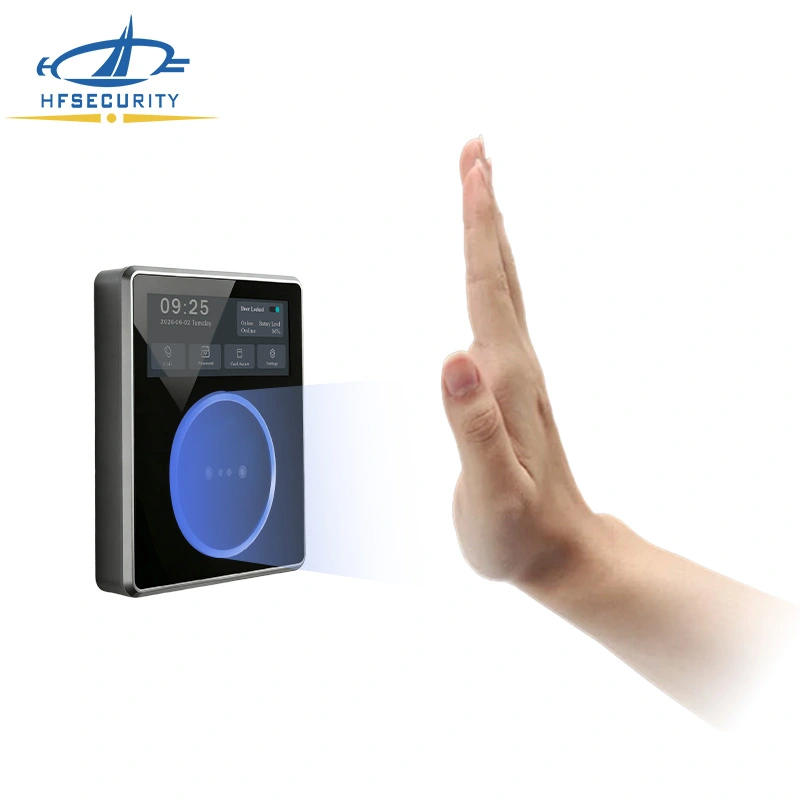
A hand hovering over the HF-PA86D palm vein access control terminal during contactless verification

Palm Vein + Palm Print

RGB + IR binocular capture reads subcutaneous veins and the surface print in one 7–15 cm hover — liveness is built in, nothing to present twice.
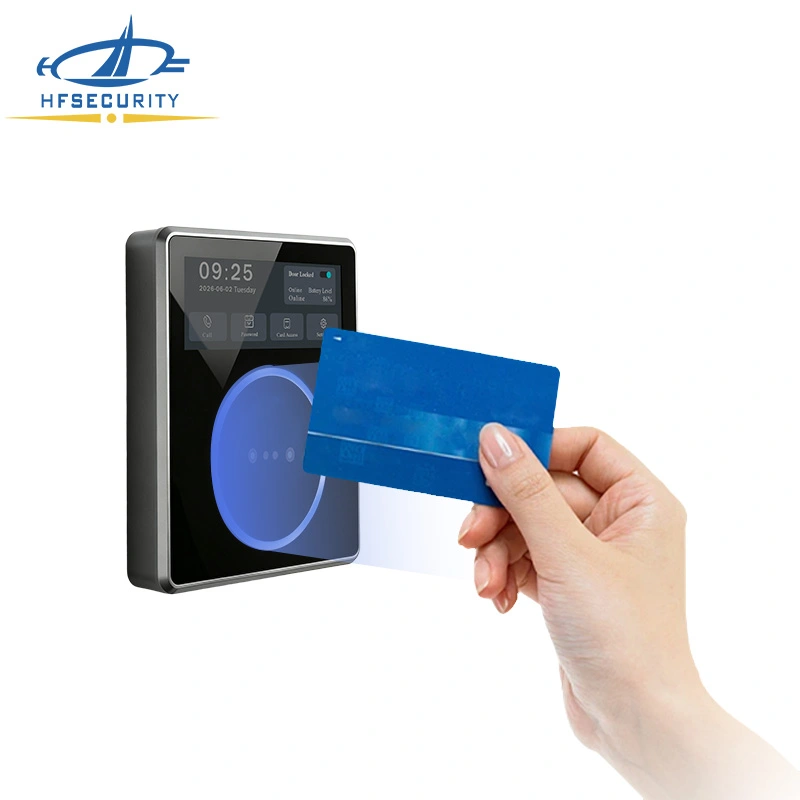
A visitor tapping a card on the HF-PA86D terminal as a fallback credential

Card Fallback

Visitors, contractors and guests pass with a card on the same reader — no separate card unit mounted beside the door.
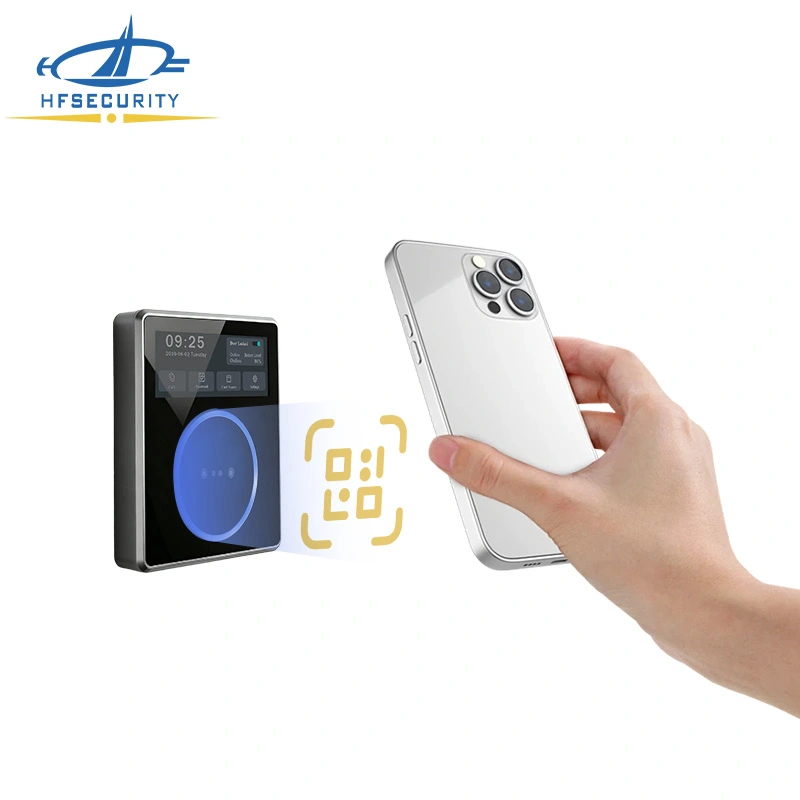
A guest presenting a phone QR code to the HF-PA86D terminal

QR Fallback

One-time QR passes for one-off visitors — issued remotely from the management platform, scanned at the door.

Feature Set

Every Function, Itemised

Five functional groups — the complete capability list behind the wall-mount terminal.

🖐Biometric Engine

Dual-modality capture with natural liveness

  • Palm vein + palm print — RGB + IR binocular readout in a single approach
  • Polarisation lighting + Palm AE — stable imaging from dark corridors to 50,000 lux daylight
  • Natural liveness — vein patterns are internal features; photos and silicone molds are rejected
  • 1:1 and 1:N matching — ≤450 ms at FAR ≤ 0.0001% / FRR ≤ 0.01%

🤲Presentation & Hygiene

Contactless by design, forgiving in practice

  • 7–15 cm hover — no contact with the reader surface, no queues at the door
  • Glove-through recognition — transparent gloves supported for wards, labs and food plants
  • Full-angle presentation — pitch ≤30°, roll ≤30°, yaw ≤360°; children and elderly need no practice
  • Automatic exposure loop — indoor and semi-outdoor doors without shading work

🎫Multimodal Credentials

Every visitor has a way through

  • Card recognition built in — visitors and contractors pass without enrollment
  • QR recognition built in — one-time digital passes issued remotely
  • One reader, three credentials — replaces the card unit and the QR scanner at the door

📡Connectivity & Integration

Plugs into the panels you already run

  • Wiegand & RS485 — the two interfaces most access control panels already speak
  • USB Type-C · 100 M Ethernet · Wi-Fi 2.4 GHz · Bluetooth 4.2 · 4G optional
  • Android 7+ and Windows 10+ — free SDK, sample code and English documentation
  • OTA firmware updates — fleet upgrades without site visits

🛡Security & Durability

Built for doors that never close

  • Encrypted palm feature storage — templates never leave the device in plain form
  • ESD contact ±4 kV / air ±8 kV · GB 9254 Class B
  • −10 °C to 50 °C, RH 10–90% — lobbies, workshops and covered gates
  • 2.5 W average power — runs from the door system's existing 12 V supply

📋Full Specification Sheet

Dimensions, interfaces, environment and SDK detail for tender documents.

Download the Datasheet →
Datos técnicos

HF-PA86D Specifications

Complete technical parameters for tender documents and system design.

ArtículoHF-PA86D
Recognition modesPalm print / palm vein (RGB + IR dual-mode) · card recognition · QR recognition
Working distance7–15 cm contactless hover
Matching time≤450 ms
Modo de comparación1:1 and 1:N
ExactitudFAR ≤ 0.0001% · FRR ≤ 0.01%
Presentation anglePitch ≤ 30° · Roll ≤ 30° · Yaw ≤ 360°
Glove recognitionTransparent rubber gloves supported
CámaraRGB / IR binocular, RGB-IR alignment, polarisation lighting, Palm AE
Illuminance range0 – 50,000 lux (indoor / semi-outdoor)
Mostrar2.8" status screen
InterfacesWiegand · RS485 · USB Type-C (USB 2.0) · 100 M Ethernet · Wi-Fi 2.4 GHz · Bluetooth 4.2 · 4G optional
CPU / MemoryQuad-core 1.8 GHz · 2 GB DDR3 · eMMC 16 GB (32/64 GB optional)
Dimensiones (largo*ancho*alto)86 × 86 × 26 mm (86-type junction box)
FuerzaDC 12V or 5V/0.5A · average 2.5 W
ESD ratingContact ±4 kV · air ±8 kV
Operating environment−10 °C to 50 °C · RH 10–90% (storage −40 °C to 85 °C)
System supportAndroid 7+ · Windows 10+ · OTA updates
SeguridadPalm feature information encryption · GB 9254 Class B
Scenario Solutions

Eight Places the HF-PA86D Goes to Work

Doors where hygiene, privacy or headwear call for a contactless, internal-feature credential.
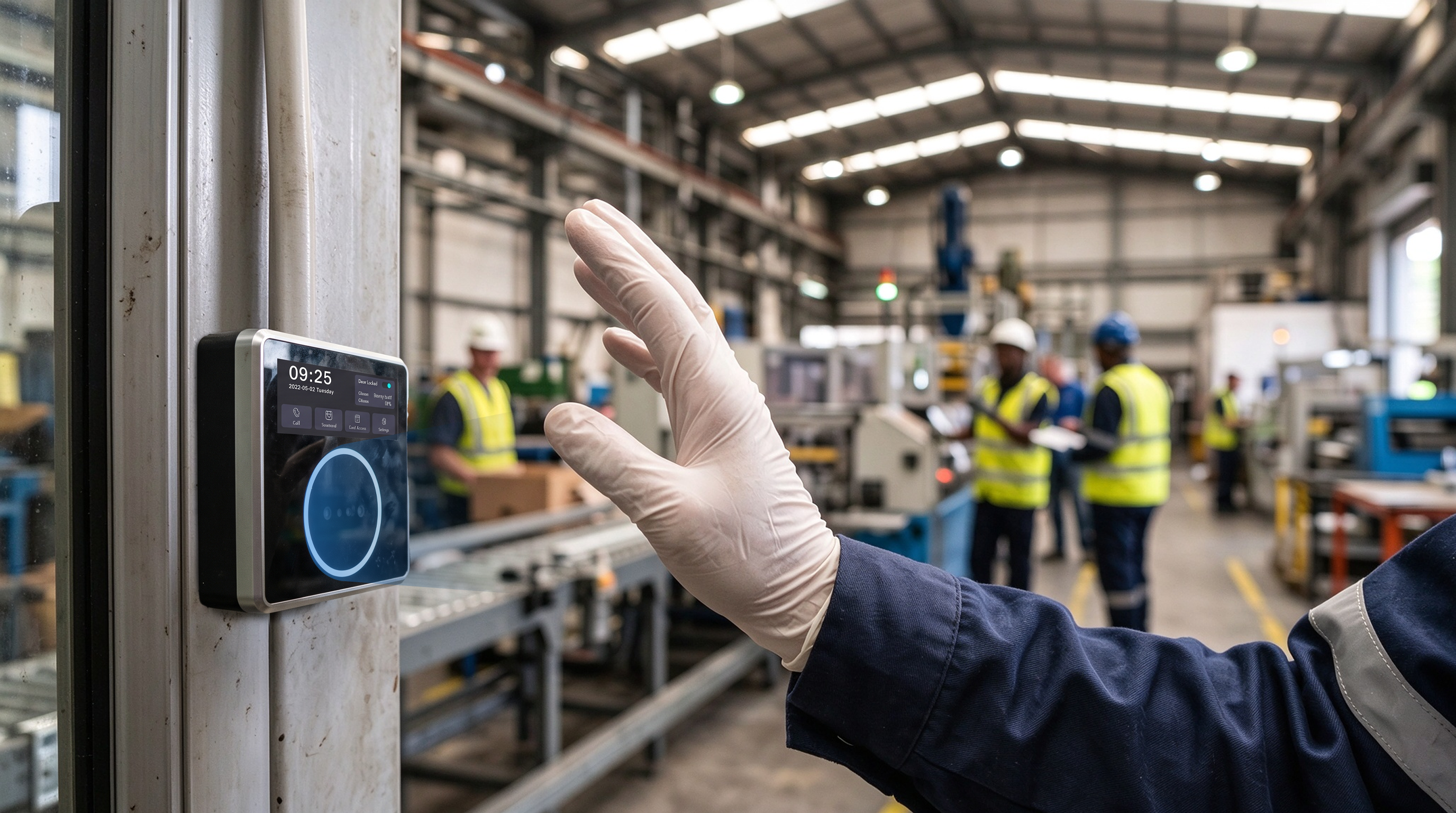
Workers passing a glass door with the HF-PA86D palm vein terminal mounted beside a factory production floor
🏭

Factory & Production Lines

The door. Shift changes push hundreds of workers through shared readers; contact surfaces slow the line and hygiene audits flag every touchpoint.

With the PA86D. Glove-through, contactless verification at the workshop door — oil, dust and gloves on hands are part of the day, not an obstacle.

Result. Attendance without queues, and a reader surface that never needs touching.
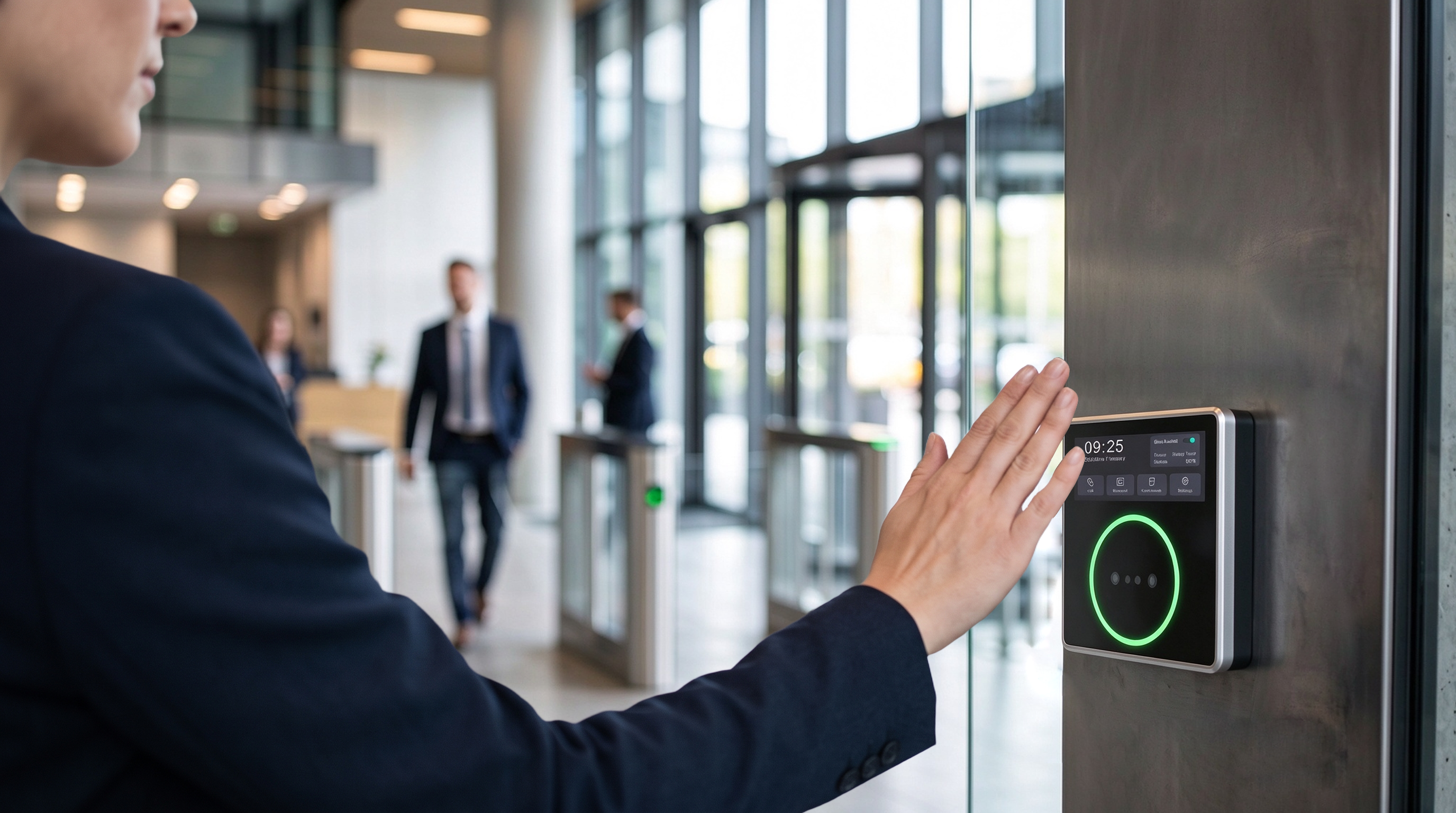
The HF-PA86D palm vein access control terminal mounted on the glass wall of a modern office lobby
🏢

Offices & Enterprise Campuses

The door. Lobbies and floor entrances need one credential for staff, contractors and guests — cards get shared, lost and cloned.

With the PA86D. An 86-box retrofit turns the existing door station into a palm vein access point; staff verify in ≤450 ms without breaking stride.

Result. One palm per employee — nothing to lend, share or lose.
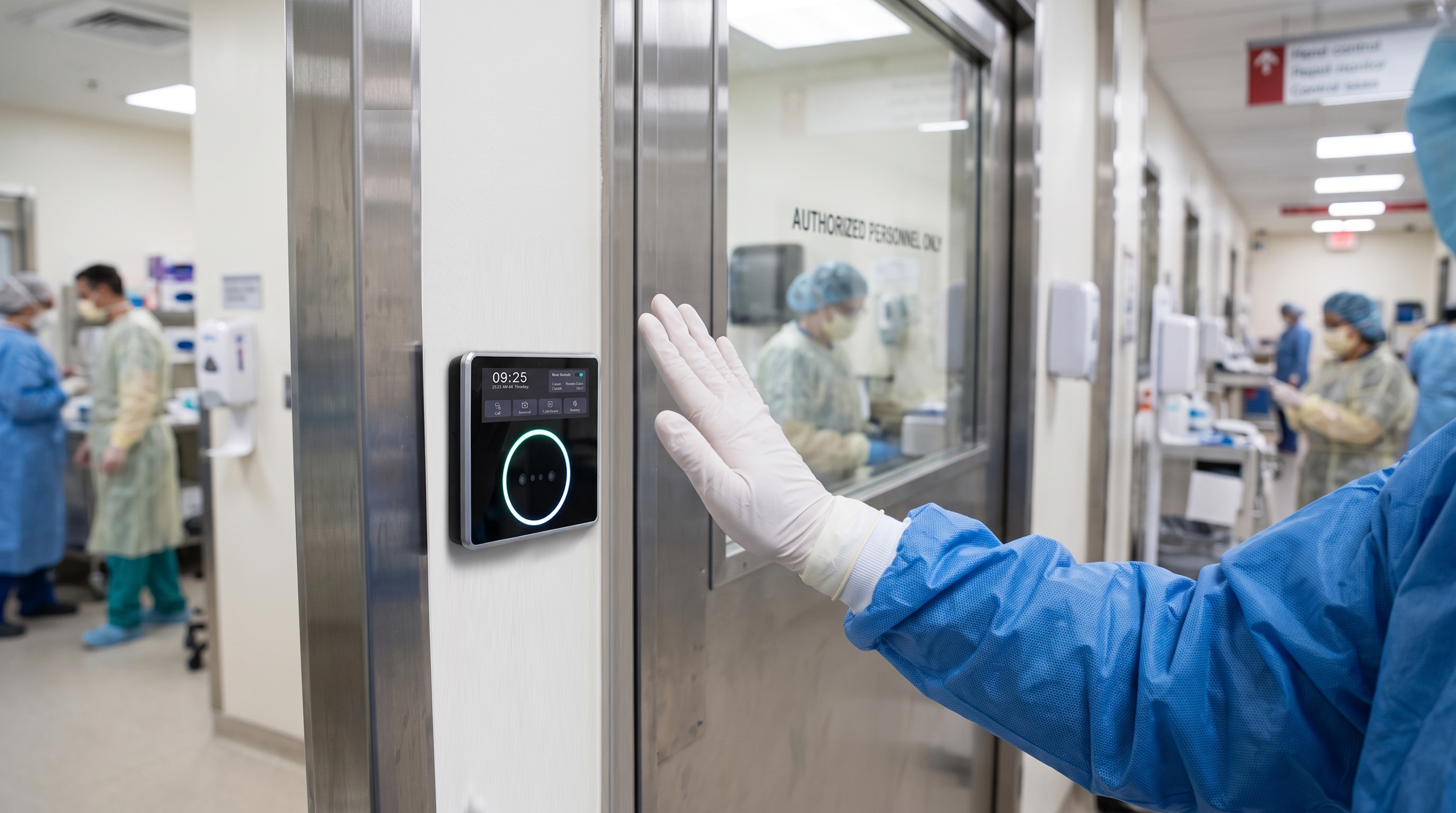
Medical staff in a hospital corridor verifying at an HF-PA86D palm vein terminal mounted beside a ward door
🏥

Hospitals & Clean Rooms

The door. Wards, labs and sterile zones require PPE at the door, and contact readers are a hygiene risk by definition.

With the PA86D. Staff verify through transparent gloves at a 7–15 cm hover — no PPE removal, no surface contact.

Result. Access control that passes hygiene audits instead of failing them.
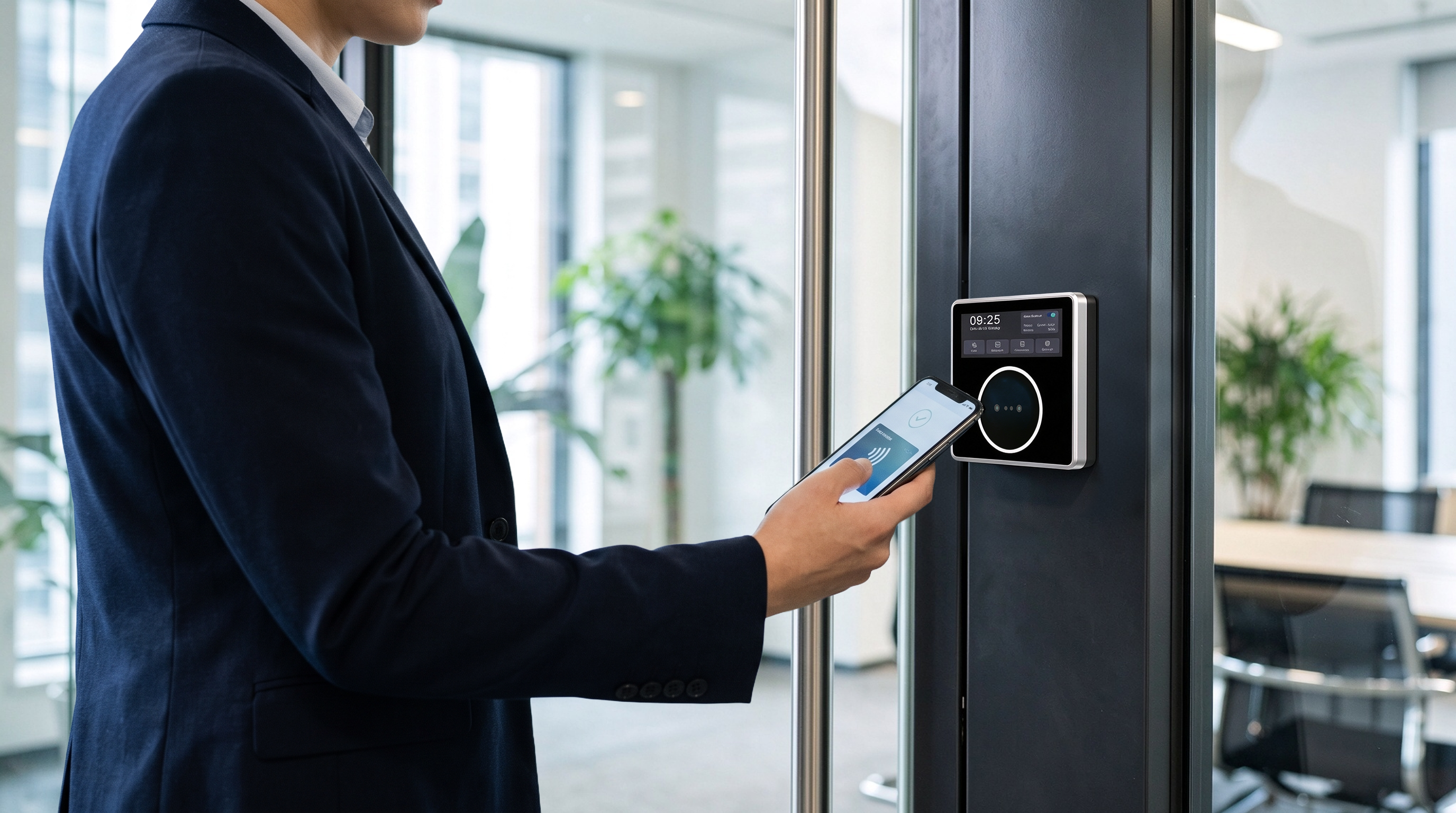
A professional entering a glass meeting room through a door fitted with the HF-PA86D terminal
🚪

Meeting Rooms & Commercial Doors

The door. Glass-partitioned offices need a reader that looks the part and handles one-off meetings.

With the PA86D. The compact 86 × 86 mm face mounts flush beside the frame; card and QR passes cover one-off visitors.

Result. Boardroom-grade doors without a construction project.
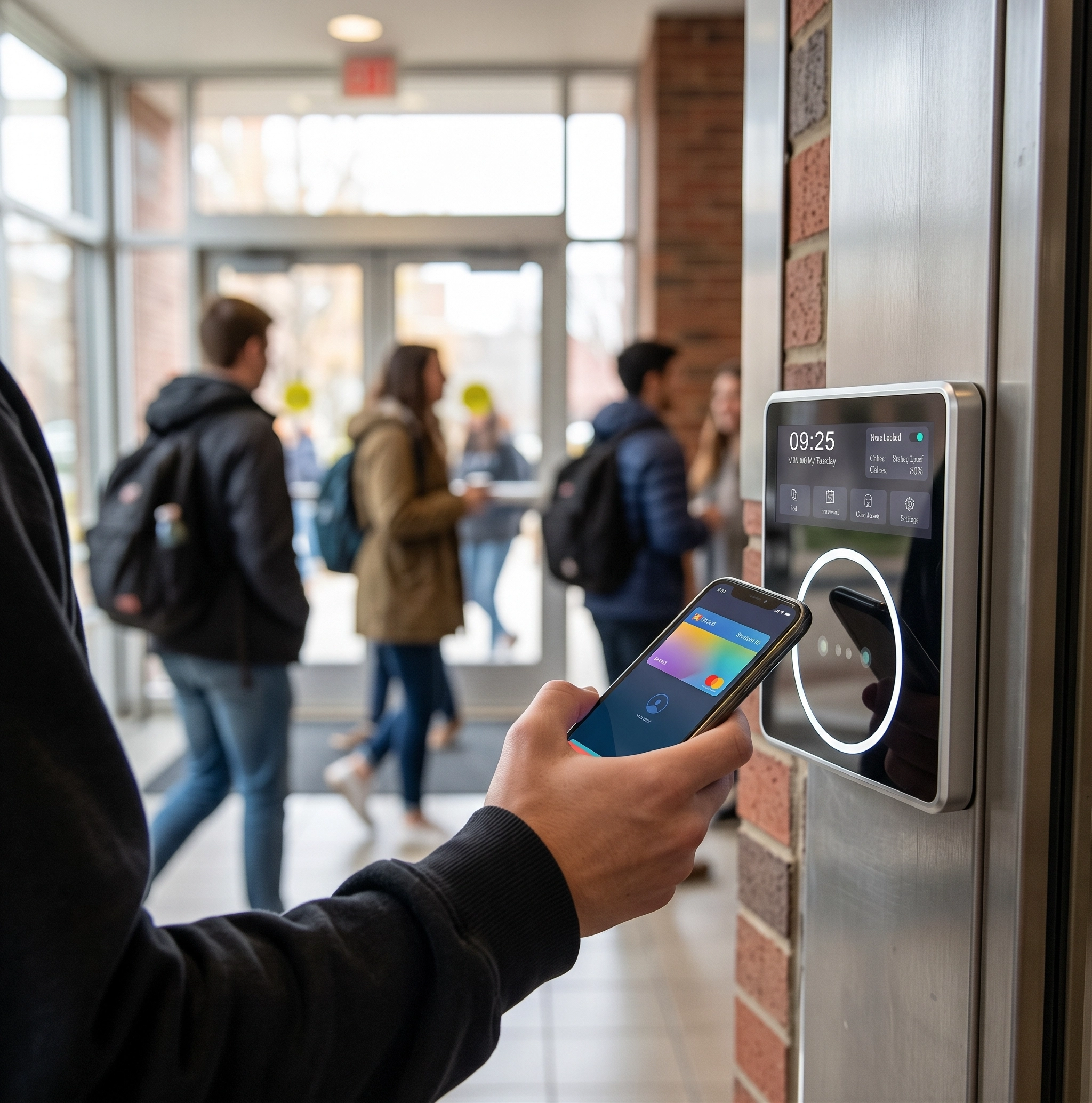
Students entering a campus building through a door equipped with an HF-PA86D palm vein terminal
🏫

Schools & Dormitories

The door. Shared doors serve thousands of students; cards are lent, lost and traded every term.

With the PA86D. One palm per student — a credential that cannot be lent to a classmate.

Result. Dorm and lab doors stay closed to everyone but the roster.
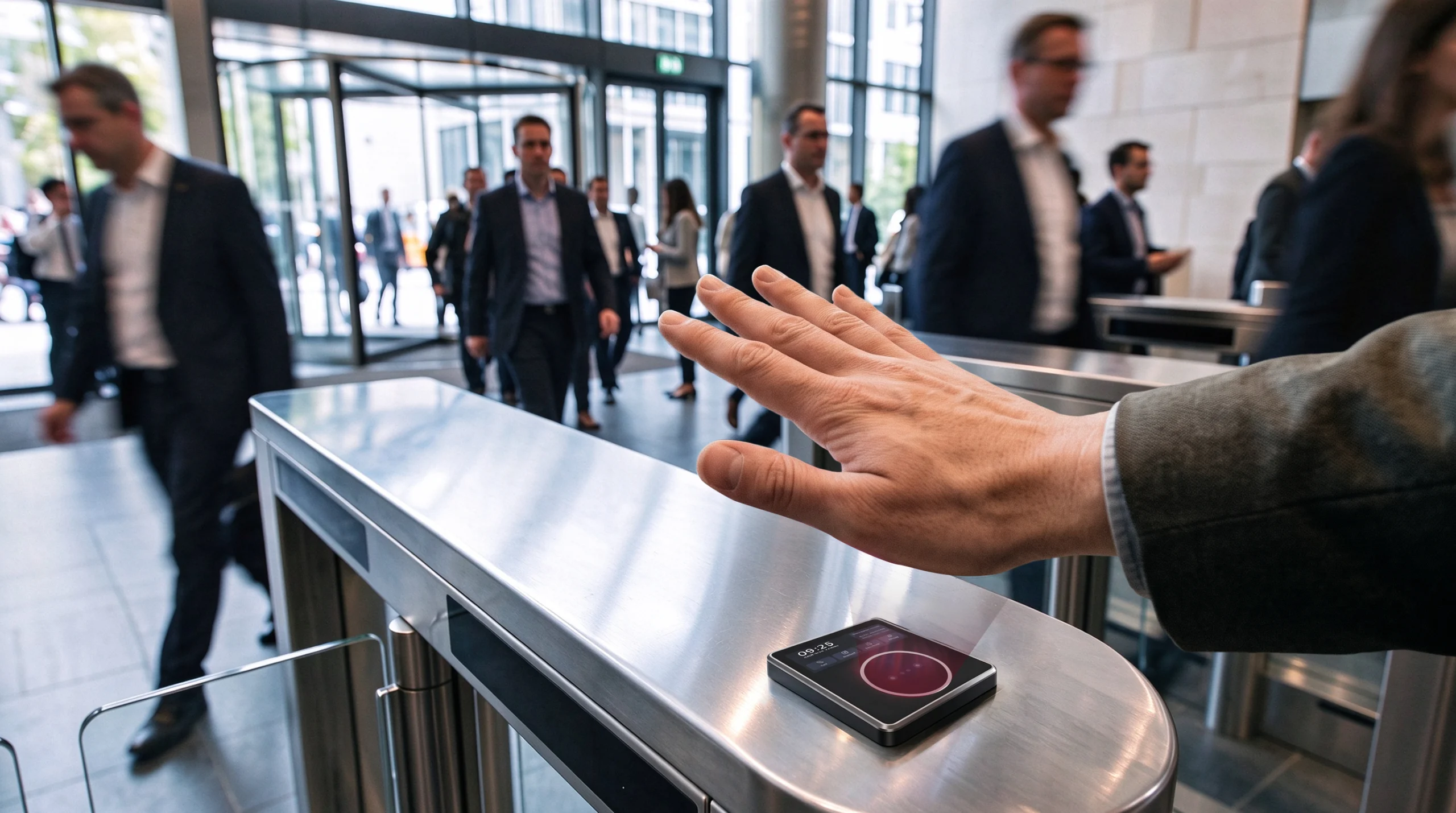
A commuter walking through a speed gate integrated with an HF-PA86D palm vein module
🚃

Turnstiles & Speed Gates

The door. Speed gates need a compact reader with standard interfaces and fast throughput.

With the PA86D. The module integrates into gates via Wiegand or RS485; full-angle presentation keeps throughput natural.

Result. ≤450 ms matching that holds the gate at design speed.
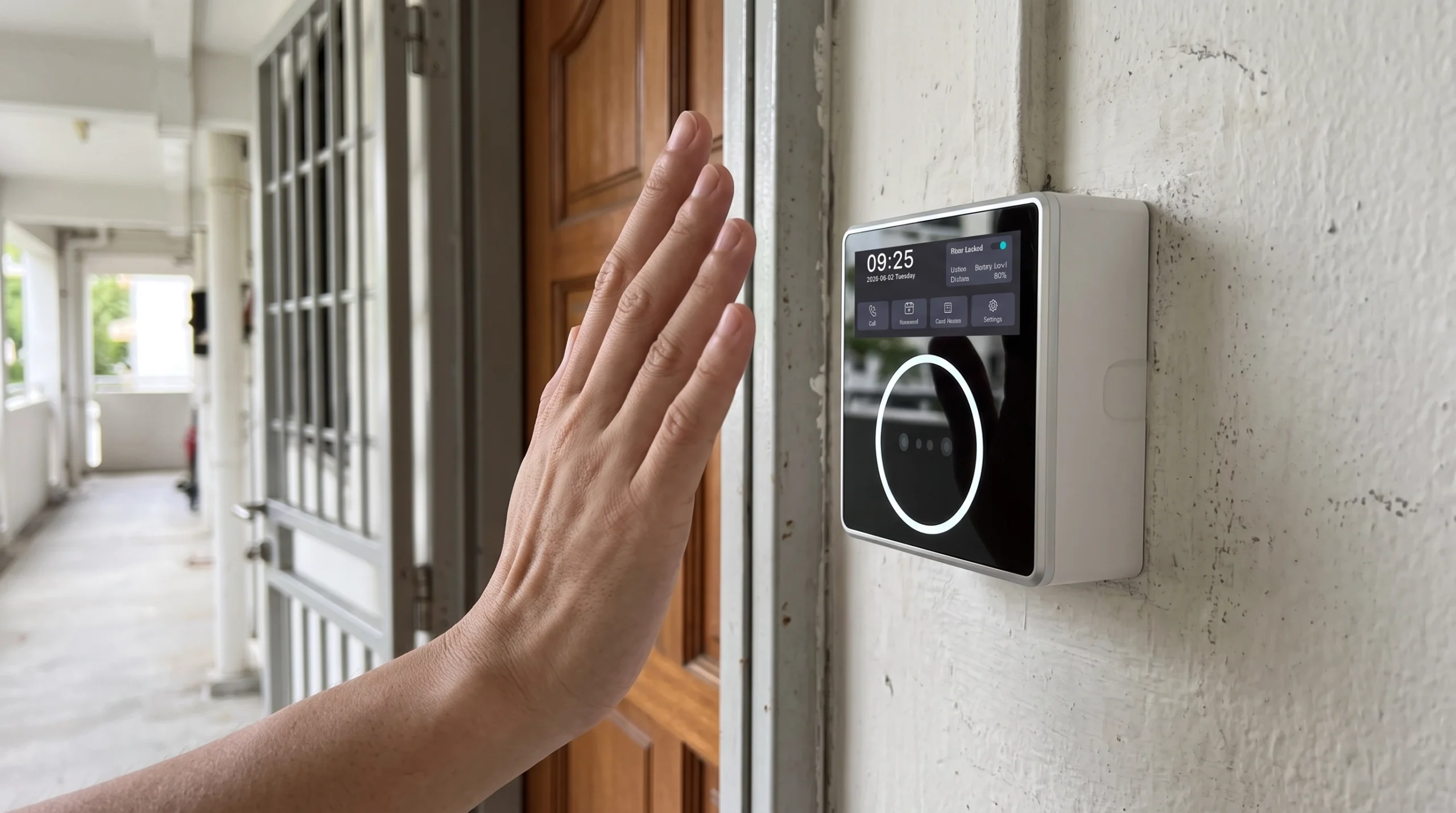
A resident verifying with a raised palm at an apartment door fitted with an HF-PA86D terminal
🏠

Residential & Apartment Doors

The door. The 86-type junction box is the standard wall fitting in apartments across Asia and the Middle East.

With the PA86D. The terminal fits that box directly — an existing intercom or door station position becomes a palm vein access point.

Result. Building-wide upgrades with no masonry and no new conduits.
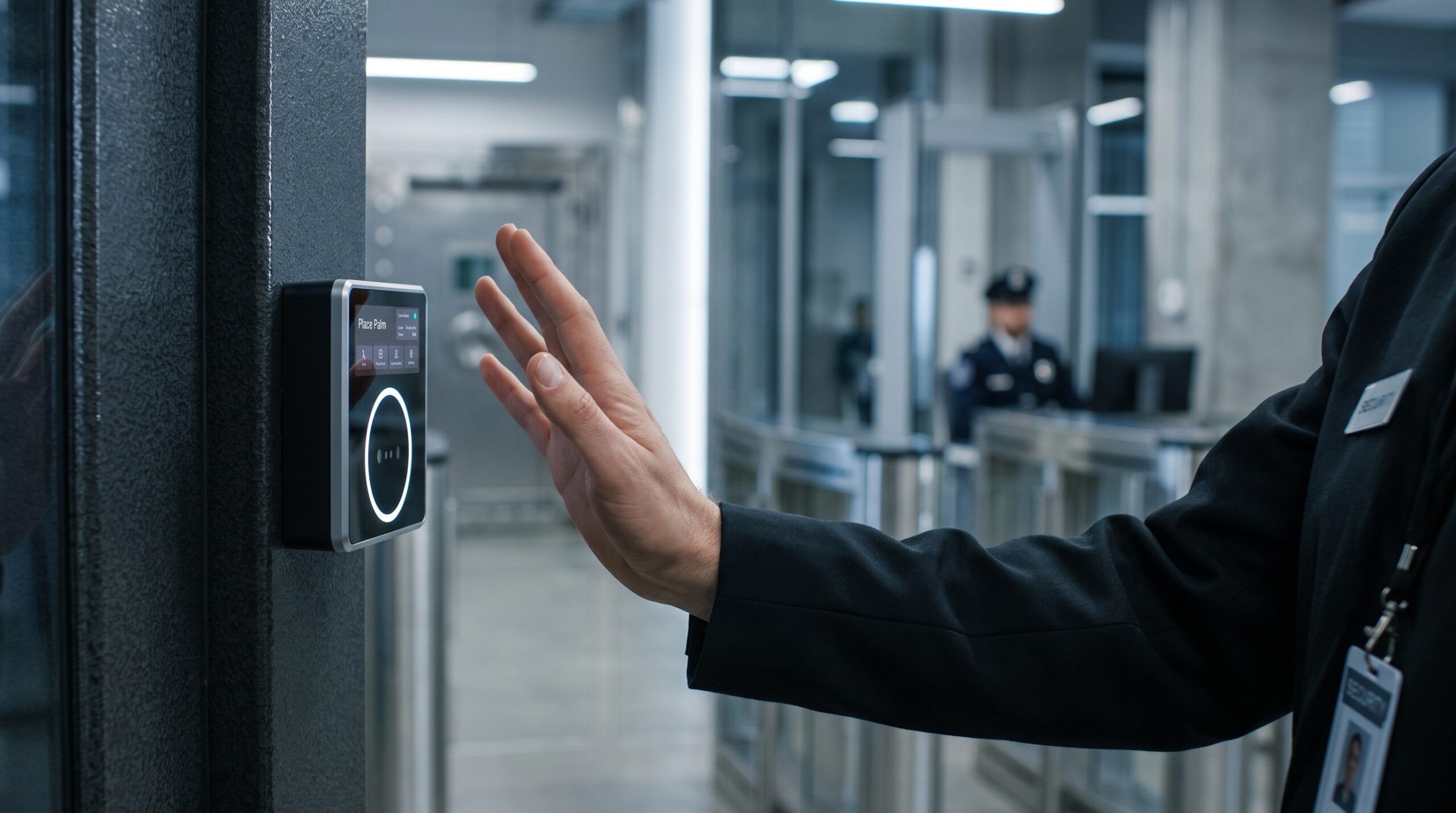
An official entering a government facility door after palm vein verification on an HF-PA86D terminal
🏛

Government & Data Centers

The door. Sensitive sites restrict facial image storage and require audit-grade identity records.

With the PA86D. Vein templates are encrypted on-device and no facial image is captured — privacy rules are met by design.

Result. High-security doors with a privacy-safe audit trail.

Install

Drops Into the Box Already in the Wall

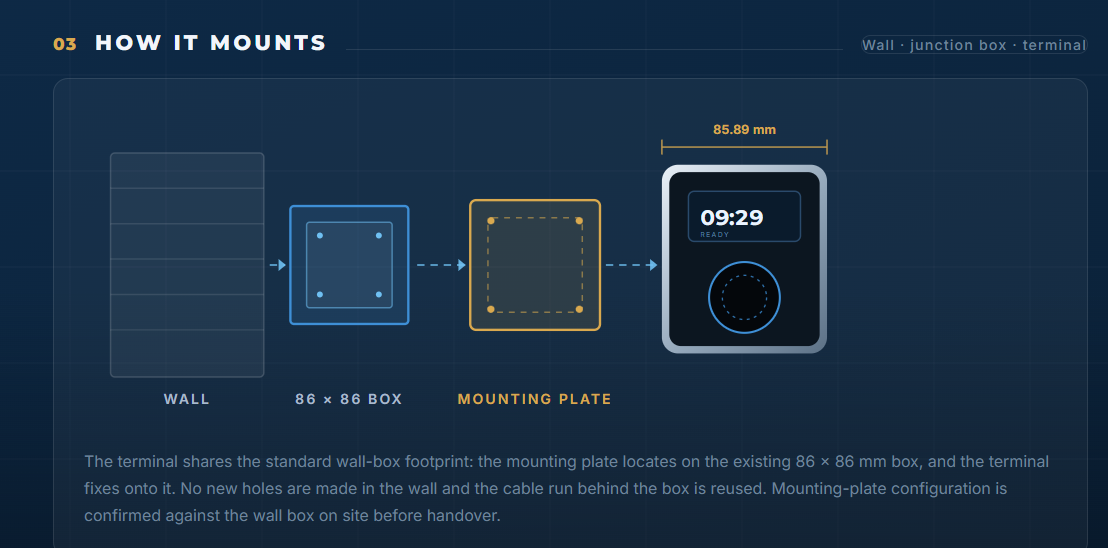
86 × 86 × 26 mm — dimensioned for the standard 86-type junction box used across apartments, offices and campuses.
HF-PA86D dimension drawing — 86 × 86 × 26 mm module sized for a standard 86-type junction box
Step 01

Swap the Panel

Remove the existing 86-type faceplate and seat the PA86D module — no re-construction, no new back box.

Step 02

Wire Two Lines

Connect Wiegand or RS485 to the access panel and take power from the door system's 12 V line — average draw is 2.5 W.

Step 03

Enroll & Go

Enroll palms through the free SDK or the on-device flow; cards and QR passes for visitors can be issued the same day.

No masonry, no new conduits — a door upgrade is a panel swap, not a construction project.

Preguntas frecuentes

HF-PA86D — Frequently Asked Questions

How does palm vein access control work?
Near-infrared light maps the vein pattern inside your palm — an internal feature that cannot be photographed or lifted, and is never left behind on the door. The HF-PA86D matches that pattern in ≤450 ms at a 7–15 cm hover distance and opens the door without any contact.
Does it work through gloves?
Yes. The PA86D supports recognition through transparent rubber gloves — designed for hospital wards, clean rooms and food production where removing PPE for a door is not acceptable.
Can it replace an existing door station without rewiring?
Yes. The 86 × 86 × 26 mm module is dimensioned for standard 86-type junction boxes, and it speaks Wiegand and RS485 — the two interfaces most access control panels already use.
What accuracy does it achieve?
FAR ≤ 0.0001% (one false accept in ten million attempts) and FRR ≤ 0.01%, in both 1:1 and 1:N comparison modes, with palm feature data encrypted on the device.
Does it also read cards and QR codes?
Yes. Card recognition and QR code recognition are built into the same module, so visitors and staff without enrolled palms can still pass using fallback credentials.
What if a visitor has no enrolled palm?
Issue a card or a one-time QR pass — both are read by the same terminal, so no extra hardware is mounted at the door and guests are off the system as soon as their pass expires.
Can it be installed at semi-outdoor doors?
Yes. Imaging is specified from 0 to 50,000 lux and the terminal operates from −10 °C to 50 °C at RH 10–90%, covering covered entrances, gates and podium lobbies.
Request Pricing · Evaluation Units · OEM / ODM

Get HF-PA86D Pricing & Lead Time

Tell us the door count and scenario — an engineer replies with pricing, lead time and the right configuration, usually within one business day.

Or send the details as a message

Helpful to include: quantity (evaluation or bulk), country of deployment, door type (86-box retrofit, gate, turnstile), integration target and any OEM requirements.

21Años de fabricación
150+Países atendidos
1000+Certifications & Tests
1 DayResponse Time

¿Necesita ayuda para maximizar su negocio?

Contáctenos hoy y obtenga una revisión y consultoría de negocio sin coste.