


As demand grows for contactless biometric systems, palm vein recognition has become a preferred solution for high-security access control, attendance management, and identity verification across multiple industries.
What Is Palm Vein Recognition?
Palm vein recognition is a contactless biometric authentication method that captures and analyzes the vascular patterns inside a person’s palm. These vein patterns are:
Unique to each individual
Stable over a lifetime
Located beneath the skin, not visible to the naked eye
Because the data comes from inside the body, palm vein biometrics offer higher security and accuracy compared to surface-based biometric technologies.
How Does Palm Vein Recognition Work?
Palm vein recognition systems operate using near-infrared (NIR) light technology. The process typically includes the following steps:
1. Palm Vein Image Capture
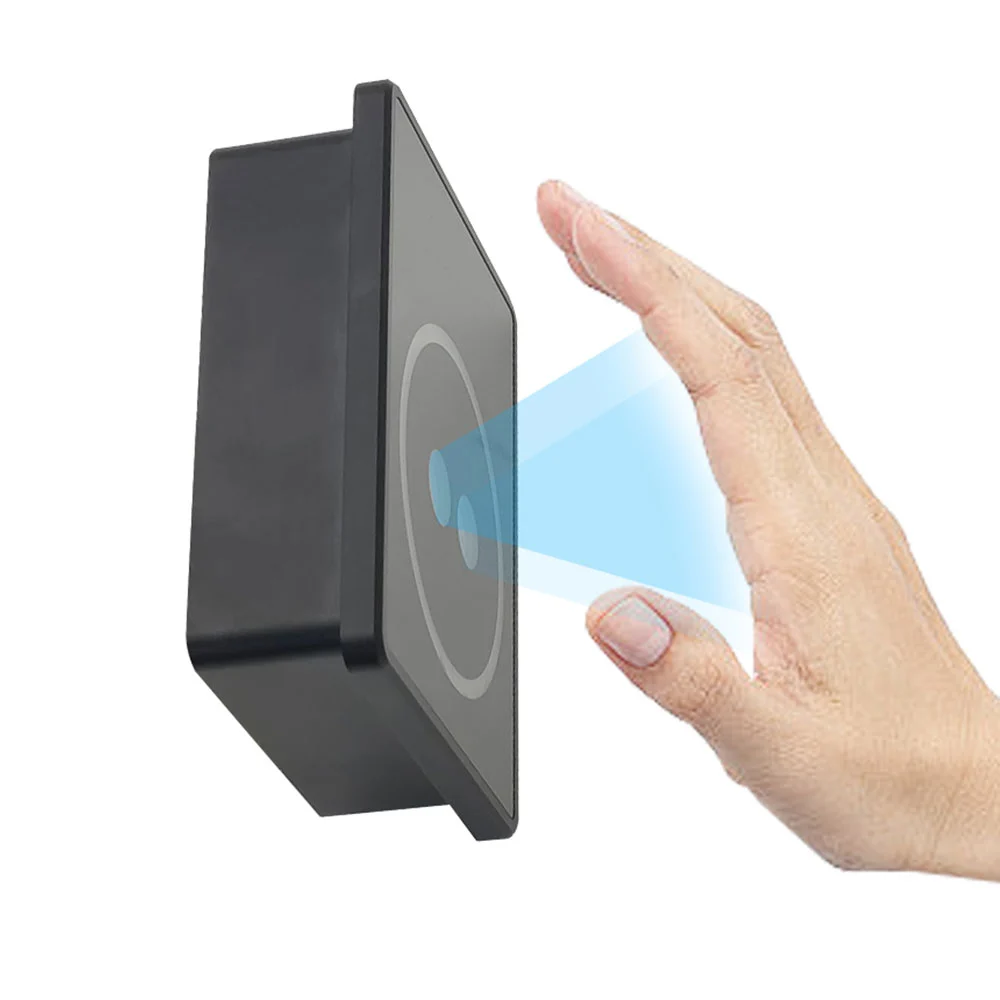
When a user places their palm above the scanner, near-infrared light is emitted. Hemoglobin in the blood absorbs the light, allowing the vein patterns to appear as a clear image.
2. Vein Pattern Extraction
The system extracts the palm vein structure and converts it into a digital biometric template. This template contains mathematical data, not an actual image, ensuring data security.
3. Biometric Matching and Authentication
During verification, the newly captured palm vein data is compared with the stored template. If the patterns match within a defined threshold, access is granted.
This entire process takes less than one second, delivering fast and accurate authentication.
Key Benefits of Palm Vein Recognition
High Security Level
Palm vein recognition is extremely resistant to spoofing because the veins must contain flowing blood, making fake or copied palms ineffective.
Contactless and Hygienic
As a touch-free biometric solution, palm vein scanning is ideal for environments requiring high hygiene standards, such as hospitals and public facilities.
High Accuracy and Low False Acceptance
Palm vein biometric systems offer low false acceptance rates (FAR) and low false rejection rates (FRR), even in large-scale deployments.
Works in Challenging Conditions
Palm vein recognition performs reliably even if the user has dry skin, worn fingerprints, or minor surface injuries.
Applications of Palm Vein Recognition
Palm vein recognition technology is widely applied in various industries and scenarios:
Office & Enterprise Access Control – Secure entry to office buildings, data centers, and executive areas.
Employee Attendance Management – Fast and contactless time tracking for employees.
Healthcare & Hospitals – Patient identification, secure medical records, and staff access.
Financial Services & Banking – Secure authentication for vaults, ATMs, and sensitive transactions.
Government & High-Security Facilities – Identity verification for border control, military, and restricted areas.
Smart Turnstiles & Gates – Integrated with speed gates, swing gates, and turnstiles for multi-mode access control.
Education & Institutions – Student and staff identification for campus security and attendance.

Is Palm Vein Recognition Safe and Secure?
Palm vein recognition is one of the most secure biometric technologies available, as it uses internal vascular patterns that are invisible and unique to each individual, making them extremely difficult to forge. Modern scanners also include liveness detection, which verifies blood flow to prevent spoofing with fake palms or prosthetics. Instead of storing actual images, the system creates encrypted digital templates, ensuring user privacy even if the database is compromised. Being completely contactless, palm vein recognition minimizes hygiene risks while maintaining high accuracy with low false acceptance and rejection rates. These features make it ideal for high-security environments such as healthcare, finance, government facilities, and enterprise access control systems.
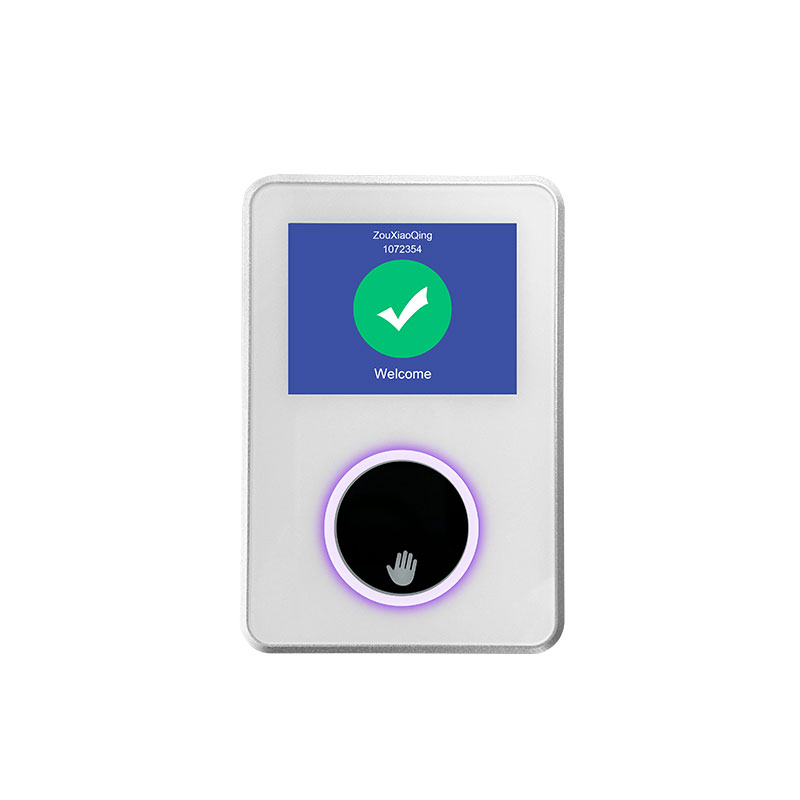
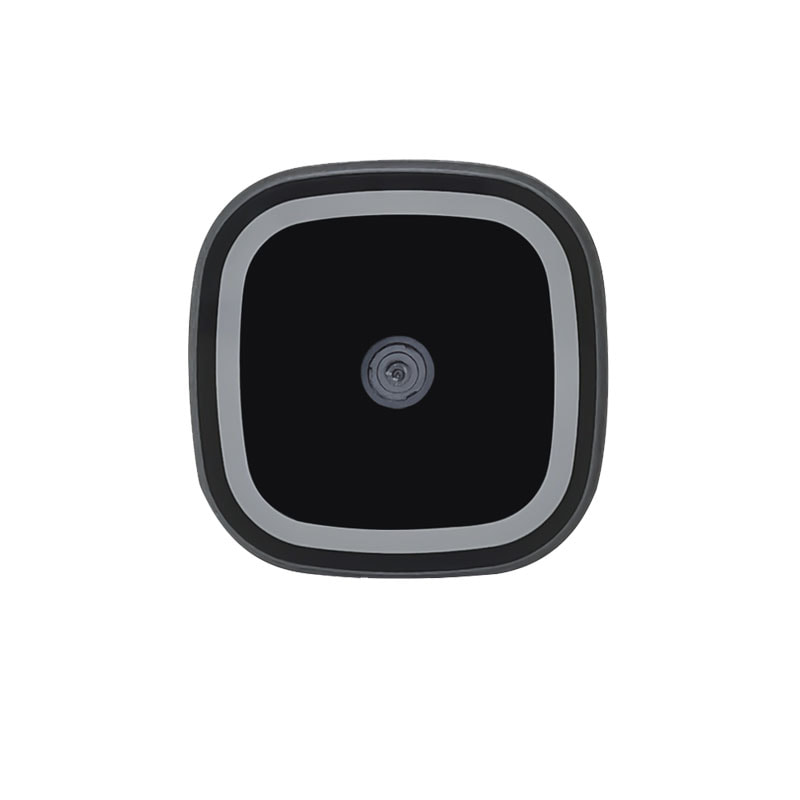
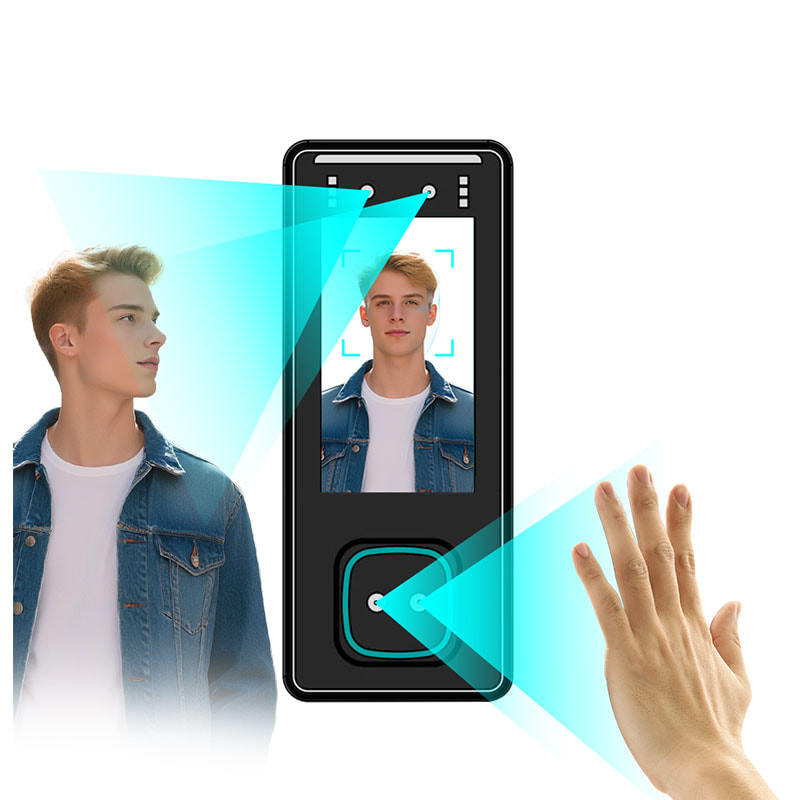
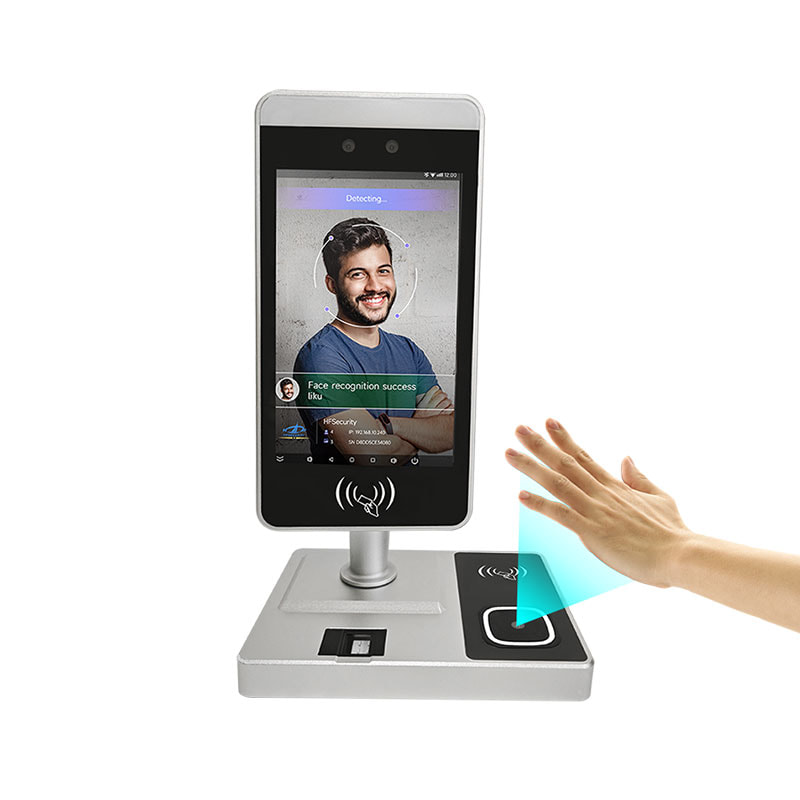
Related palm vein recognition products
Preguntas más frecuentes
What is palm vein recognition used for?
Palm vein recognition is used for access control, attendance systems, identity verification, healthcare authentication, and high-security environments.
Is palm vein recognition better than fingerprint recognition?
Yes, palm vein recognition offers higher security, better anti-spoofing protection, and contactless operation compared to fingerprint scanning.
Can palm vein recognition be fooled or hacked?
It is extremely difficult to spoof because the system requires live blood flow inside the veins, making fake palms ineffective.
Is palm vein recognition hygienic?
Yes. Palm vein scanning is completely contactless, making it ideal for hygiene-sensitive environments.
Does palm vein recognition work with access control systems?
Yes. Palm vein recognition devices can be integrated with access control systems, turnstiles, and attendance software for multi-factor authentication.
