
By combining advanced biometric technology, AI algorithms, and secure data management, iris-based attendance systems are rapidly becoming a preferred choice for enterprises, government institutions, and high-security organizations.
What Is an Iris Recognition Attendance System?
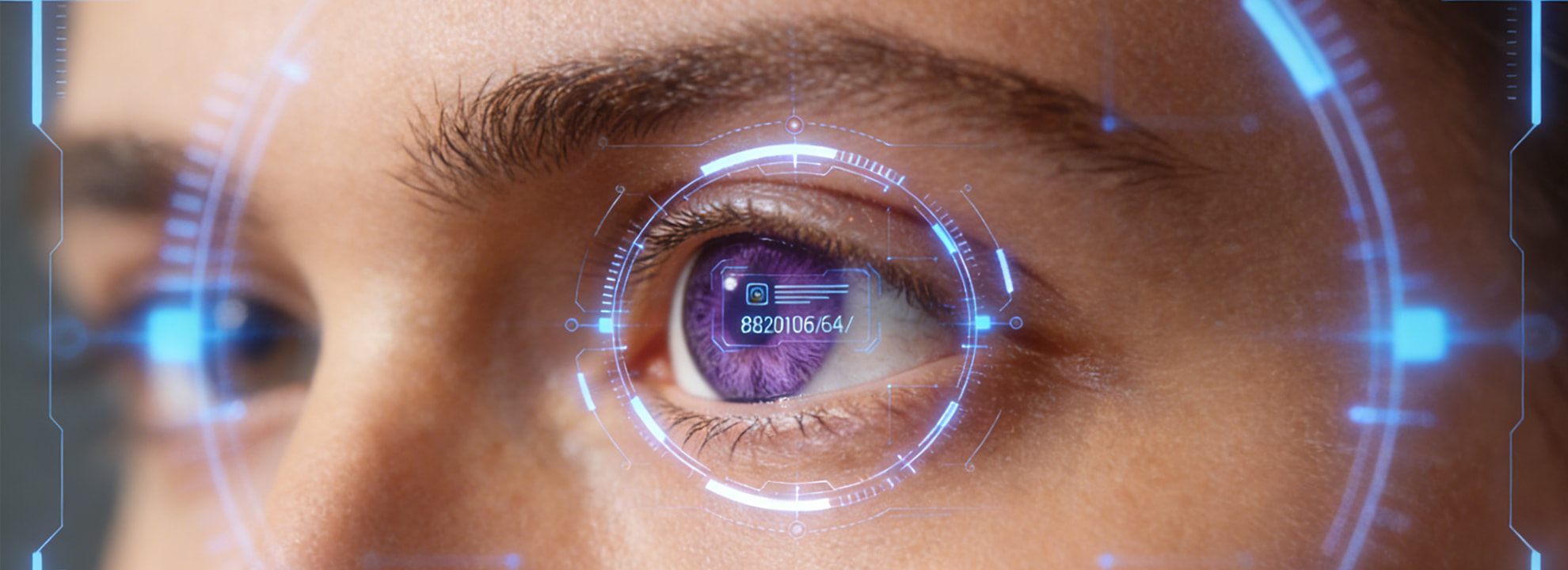
An iris recognition attendance system is a biometric time and attendance solution that identifies individuals by analyzing the unique patterns of the iris—the colored ring surrounding the pupil. These patterns are highly complex, stable over a lifetime, and nearly impossible to duplicate.
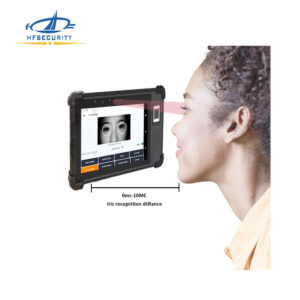
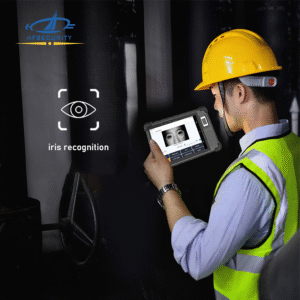
During attendance verification, the system captures an image of the eye using a specialized camera, extracts iris features, and compares them with encrypted templates stored in the database. The process is fast, contactless, and extremely accurate, making iris recognition ideal for enterprise attendance management.

Why Iris Recognition Is One of the Most Secure Biometrics
Among all biometric technologies, iris recognition is widely regarded as one of the most secure and reliable methods of identity verification.
Key reasons include:
Uniqueness: Every iris pattern is unique, even between identical twins
Stability: Iris patterns remain stable throughout a person’s lifetime
Non-contact: No physical touch is required, improving hygiene and durability
Anti-spoofing: Advanced systems include liveness detection to prevent fake eye attacks
These characteristics make an iris recognition attendance system especially suitable for environments where security and accuracy are critical.
Key Features of an Iris Recognition Attendance System
1. Ultra-High Recognition Accuracy
Iris recognition offers extremely low false acceptance and false rejection rates, ensuring precise attendance records for enterprises.
2. Contactless and Hygienic Operation
Employees simply look at the device to clock in or out, making iris attendance ideal for hospitals, laboratories, and clean office environments.
3. Fast Identification Speed
Modern iris attendance systems can authenticate users in less than one second, even in large employee databases.
4. Liveness Detection Technology
AI-powered liveness detection helps prevent spoofing attempts using printed images, videos, or contact lenses.
5. Secure Data Encryption
Biometric data is stored as encrypted templates rather than raw images, ensuring compliance with enterprise data security standards.
Benefits of Using an Iris Recognition Attendance System
Maximum Attendance Accuracy
Iris-based attendance eliminates buddy punching, time theft, and proxy attendance with near-perfect identification accuracy.
Enhanced Enterprise Security
The system ensures that only authorized personnel can record attendance, making it suitable for sensitive corporate and government environments.
Reduced HR Workload
Automated attendance records reduce manual data entry, minimize errors, and simplify payroll processing.
Long-Term Cost Efficiency
Although iris recognition is a premium biometric technology, it delivers long-term value through reduced fraud, lower administrative costs, and improved efficiency.
Iris Recognition vs Other Biometric Attendance Technologies
Compared with other biometric methods, iris recognition stands out in several ways:
Iris vs Fingerprint: Iris recognition is contactless and less affected by dry, wet, or worn fingerprints
Iris vs Face Recognition: Iris recognition offers higher accuracy in controlled environments and is less influenced by facial changes
Iris vs Palm Vein: Both are highly secure, but iris recognition typically provides faster authentication for large databases
Many enterprises choose to combine iris recognition with other biometrics, creating a multi-biometric attendance system for maximum flexibility.
Integration with Enterprise Workforce Management Systems
An iris recognition attendance system can seamlessly integrate with:
HR management systems
Payroll software
ERP platforms
Systèmes de contrôle d'accès
Through APIs or cloud platforms, attendance data can be synchronized in real time, enabling enterprises to manage workforce schedules, overtime, and compliance efficiently.
Deployment Options: Cloud and On-Premise
Enterprises can deploy iris attendance systems based on their security and operational needs:
Cloud-based deployment for centralized management and remote reporting
On-premise deployment for organizations with strict data privacy requirements
Both deployment models support enterprise-level scalability and system reliability.
Applications of Iris Recognition Attendance Systems
Iris recognition attendance systems are widely used in:
Corporate headquarters
Government and public institutions
Financial and banking sectors
Research laboratories
Healthcare facilities
High-security manufacturing plants
Any organization that requires high-security, contactless, and accurate attendance management can benefit from iris-based solutions.
The Future of Attendance Management with Iris Recognition
As enterprises continue to adopt AI and biometric technologies, iris recognition is expected to play a growing role in workforce management. With improvements in camera technology, AI algorithms, and system integration, iris recognition attendance systems are becoming faster, more user-friendly, and more cost-effective.
In the future, iris recognition will increasingly be combined with face recognition, fingerprint scanning, palm vein recognition, and NFC, creating comprehensive multi-biometric attendance platforms.
Résumé
An Iris Recognition Attendance System provides one of the most secure, accurate, and contactless solutions for modern workforce attendance management. By leveraging the uniqueness and stability of the human iris, enterprises can eliminate attendance fraud, enhance security, and streamline HR operations.
For organizations that demand the highest level of identity verification, iris recognition attendance systems represent a powerful and future-ready investment in enterprise workforce management.
