


Introduction
In this article, we will explore how biometric time clocks work for employee attendance, their key features, benefits, and integration options, providing a comprehensive guide for businesses looking to optimize workforce management.
What Are Biometric Time Clocks?
Biometric time clocks are advanced devices that record employee attendance using unique biological identifiers. Unlike traditional systems, these clocks do not rely on passwords or ID cards, which can be lost or shared. Instead, they use biometric features such as:
Fingerprint Recognition: Uses the unique patterns of an employee’s fingerprints for verification.
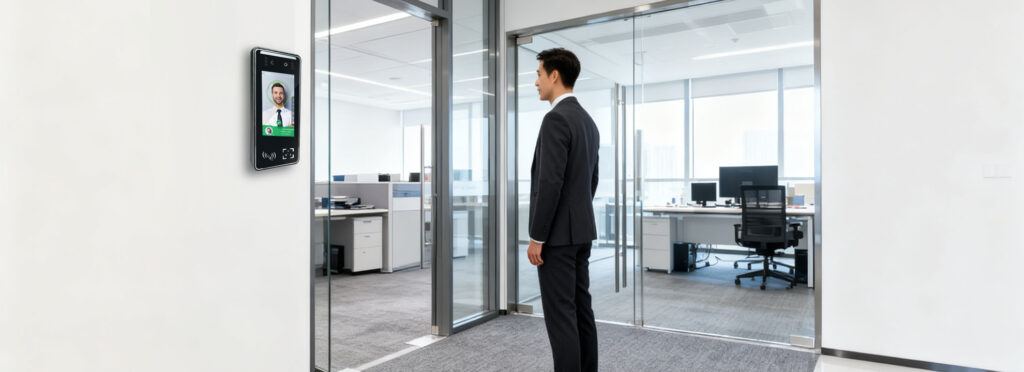
Face Recognition: Identifies employees through facial features, offering contactless authentication.
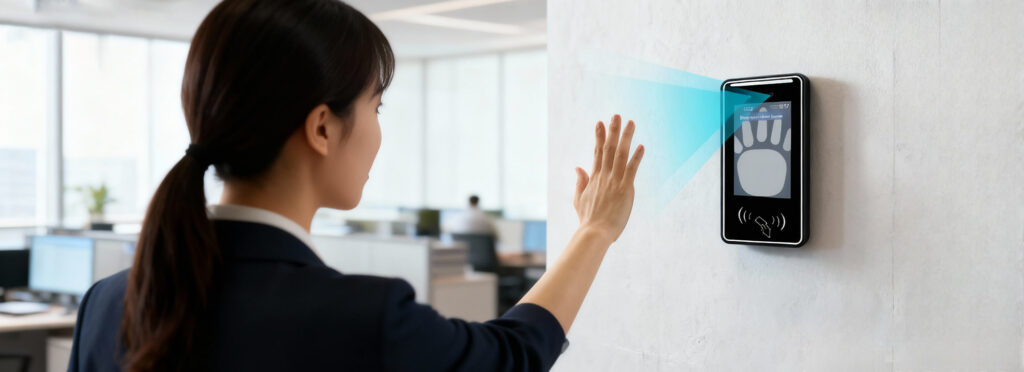
Palm Vein Recognition: Scans the vein patterns inside the hand for highly secure verification.
By leveraging these technologies, biometric time clocks eliminate buddy punching and improve data accuracy.

How Biometric Time Clocks Work
The operation of a biometric time clock is straightforward yet highly effective:
Inscription: Employees are registered on the system by capturing their biometric data, such as fingerprints, facial images, or palm vein patterns.
Vérification: When an employee clocks in or out, the device scans their biometric information and compares it with stored data.
Authentication: If the scanned data matches, the system records the timestamp and updates the attendance log in real-time.
L'intégration: The biometric time clock can be integrated with cloud-based attendance software, access control systems, or HR management systems for seamless tracking.
This multi-step process ensures accuracy, prevents fraud, and improves operational efficiency across the organization.
Key Features of Biometric Time Clocks
Modern biometric time clocks come equipped with several advanced features, making them ideal for businesses of all sizes:
Multi-Biometric Support: Combines face, fingerprint, and palm vein recognition for flexible and secure authentication.
Contactless Verification: Ensures hygiene and safety in workplaces by reducing physical contact.
Real-Time Data Sync: Connects with cloud platforms or attendance management software for instant reporting.
High-Speed Recognition: Capable of recognizing employees within seconds, even during peak hours.
Free SDK and API: Allows businesses to integrate the time clocks into existing HR or payroll systems easily.
Battery Backup: Ensures uninterrupted operation even during power outages.
These features make biometric time clocks a preferred solution for accurate and secure employee attendance tracking.
Benefits of Using Biometric Time Clocks for Employee Attendance
Implementing biometric time clocks provides numerous advantages:
Enhanced Accuracy: Eliminates human errors and prevents time fraud.
Increased Security: Only authorized employees can clock in or out.
Time and Cost Savings: Reduces administrative workload and payroll discrepancies.
Scalable Solutions: Suitable for small offices, large enterprises, and industrial worksites.
Compliance and Reporting: Facilitates automated reporting for HR and payroll management.
With these benefits, businesses can ensure efficient workforce management while maintaining security and accountability.
Applications Across Industries
Biometric time clocks are versatile and can be deployed in various sectors, including:
Corporate Offices: Track employee attendance accurately while integrating with access control.
Factories and Industrial Sites: Handle high-volume employee verification with rugged devices.
Healthcare and Hospitals: Ensure secure and contactless attendance for staff.
Educational Institutions: Manage faculty and staff attendance efficiently.
Financial and Banking Institutions: Combine attendance tracking with secure identity verification.
These devices are suitable for any environment where accuracy, security, and efficiency are critical.




Integration with Access Control and Attendance Software
For optimal functionality, biometric time clocks can be integrated with:
HFIMS Attendance Management Software: Enables real-time tracking, scheduling, and reporting.
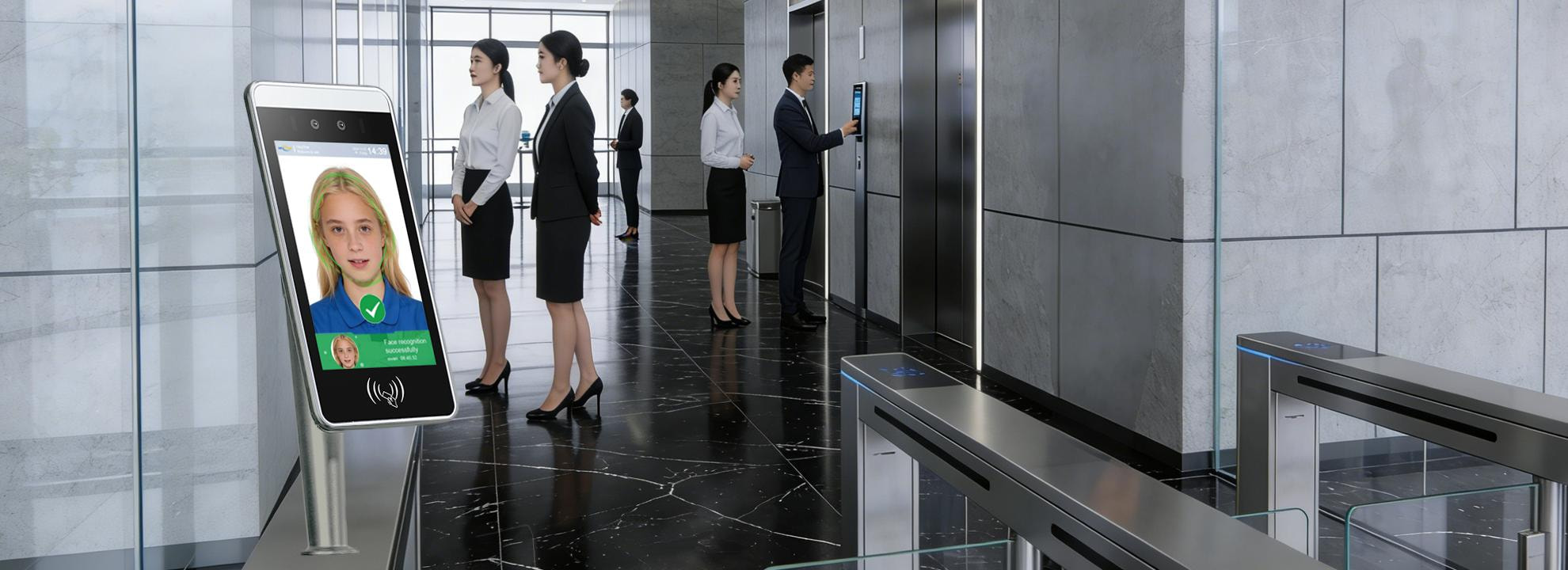
Turnstile and Gate Systems: Provides seamless access control for offices, factories, or high-security areas.
Cloud-Based Solutions: Offers centralized monitoring for multiple locations.
Integration ensures that attendance data is centralized, secure, and easily accessible, empowering HR teams to make informed decisions.
Conclusion
Biometric time clocks have revolutionized employee attendance management by providing accurate, secure, and contactless verification. By leveraging face, fingerprint, and palm vein recognition, businesses can eliminate errors, prevent time fraud, and streamline workforce operations.
For organizations seeking reliable multi-biometric attendance solutions, HFSECURITY offers high-performance biometric time clocks, fully compatible with HR software, access control systems, and cloud platforms, along with free SDK and API for integration.
