


This article explores how fingerprint scanning works, its security mechanisms, potential risks, and why it remains a reliable biometric authentication method in modern identity systems.
What Is Fingerprint Scanning?
Fingerprint scanning is a biometric authentication technology that identifies individuals based on the unique patterns of ridges and valleys on their fingertips. Each fingerprint is statistically unique, making fingerprint recognition a strong method for identity verification.
A fingerprint scanning system typically includes:
A fingerprint scanner (optical or capacitive)
A fingerprint recognition algorithm
Encrypted fingerprint template storage
A matching engine for authentication
Instead of storing raw fingerprint images, modern fingerprint scanning systems convert fingerprints into encrypted biometric templates, significantly improving security and privacy.
How Fingerprint Scanning Works in Identity Authentication
The fingerprint scanning process usually involves four main steps:
1. Fingerprint Capture
The scanner captures the fingerprint image using optical or capacitive technology.
2. Feature Extraction
The system extracts unique fingerprint features, such as minutiae points.
3. Template Generation
The fingerprint data is converted into a mathematical template and encrypted.
4. Matching and Verification
The captured fingerprint is compared with stored templates to authenticate identity.
This process ensures fast and accurate fingerprint authentication while minimizing data exposure.
Why Fingerprint Scanning Is Secure
1. Uniqueness of Fingerprints
Fingerprint patterns are unique to each individual, even among identical twins. This natural uniqueness makes fingerprint scanning highly effective for identity authentication.
2. Encrypted Fingerprint Templates
Modern fingerprint scanning systems do not store fingerprint images. Instead, they store encrypted fingerprint templates, which cannot be reverse-engineered into original fingerprints.
3. Liveness Detection Technology
Advanced fingerprint scanners include liveness detection, which can identify real fingers by detecting blood flow, skin conductivity, or pressure patterns. This prevents attacks using fake fingers made of silicone, gel, or printed images.
4. Low False Acceptance Rate (FAR)
High-quality fingerprint scanning devices achieve a very low FAR, meaning the probability of unauthorized access is extremely small. This is critical for secure identity authentication systems.
5. Local and Secure Processing
Many fingerprint authentication systems process data locally on the device, reducing the risk of network-based attacks and data interception.

Optical vs Capacitive Fingerprint Scanning Security

Optical Fingerprint Scanning
Uses light to capture fingerprint images
Suitable for indoor and controlled environments
Cost-effective and widely adopted
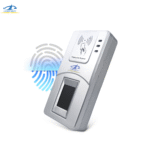
Capacitive Fingerprint Scanning
Uses electrical signals to detect fingerprint ridges
More resistant to fake fingerprint attacks
Higher accuracy and security level
Both technologies are secure when combined with encryption and liveness detection, but capacitive fingerprint scanning generally offers stronger anti-spoofing protection.
Fingerprint Scanning vs Other Biometric Technologies
Compared to other biometric authentication methods:
Fingerprint Scanning vs Face Recognition
Fingerprint scanning performs better in low-light or outdoor environments and is less affected by masks or facial changes.
Fingerprint Scanning vs Iris Recognition
Iris recognition offers higher accuracy but requires higher cost and stricter user cooperation.
Fingerprint Scanning vs Palm Vein Recognition
Palm vein recognition provides higher security but fingerprint scanning remains more cost-effective and easier to deploy.
Fingerprint scanning remains one of the most practical biometric solutions for identity authentication at scale.
Applications of Secure Fingerprint Scanning
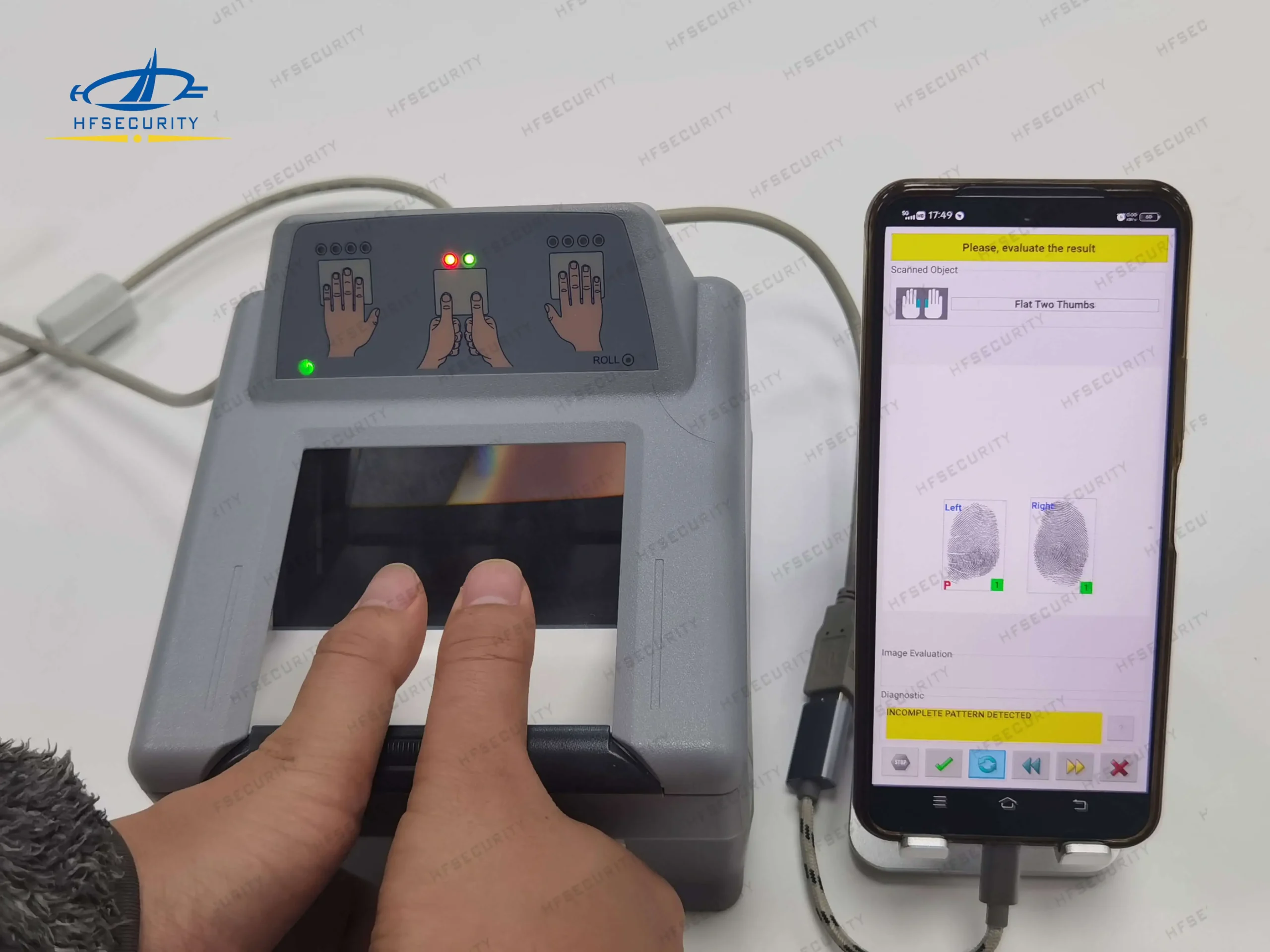
Fingerprint scanning is widely used in:
Access control systems
Time attendance and workforce management
Turnstile and gate systems
POS and payment authentication
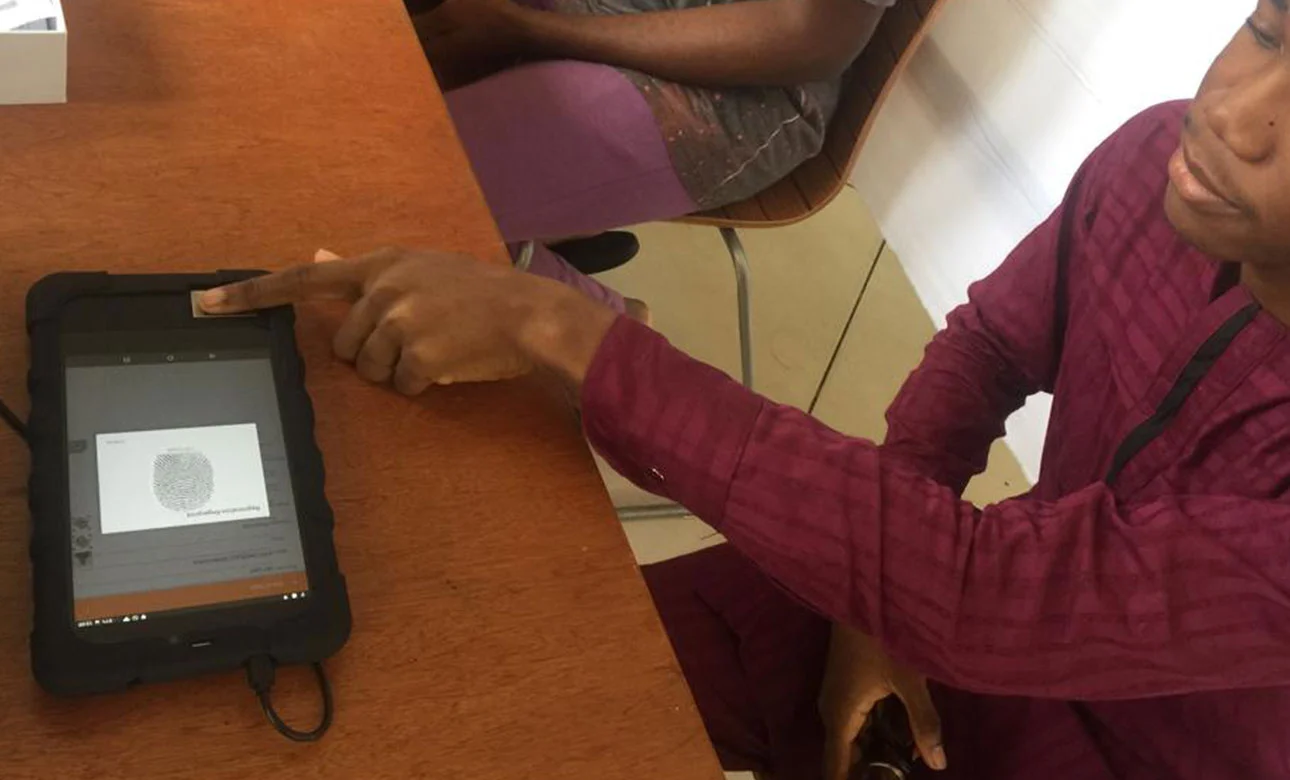
Government ID and voter registration
Banking and financial services
Mobile and handheld biometric devices
These applications require fast authentication, high reliability, and strong data security—areas where fingerprint scanning performs exceptionally well.


Best Practices for Secure Fingerprint Authentication Systems
To maximize fingerprint scanning security:
Use fingerprint scanners with liveness detection
Store only encrypted fingerprint templates
Combine fingerprint scanning with multi-factor authentication
Select devices compliant with international security standards
Keep firmware and algorithms regularly updated
FAQ
Yes. Fingerprint scanning is secure when encrypted templates, liveness detection, and secure processing are implemented correctly.
Secure systems do not store fingerprint images. Even if encrypted templates are accessed, they cannot be reversed into original fingerprints.
Advanced fingerprint scanners with liveness detection can effectively detect and reject fake or artificial fingerprints.
Encrypted fingerprint templates cannot be reused or reconstructed, and systems can revoke and re-enroll new templates if necessary.
Modern fingerprint scanning systems are designed to comply with data protection regulations by encrypting data and minimizing biometric information storage.
