


Whether used in banking, law enforcement, telecommunications, or border control, a portable fingerprint reader for mobile identity verification and biometric authentication provides a reliable solution for real-time identity confirmation. As a result, organizations can streamline operations while significantly reducing fraud risks.
What Is a Portable Fingerprint Reader?
A portable fingerprint reader is a compact biometric device designed to capture and verify fingerprint data on the go. Unlike traditional desktop scanners, portable models are lightweight, easy to carry, and often equipped with USB, Bluetooth, or NFC connectivity.
Moreover, these devices typically support integration with mobile systems such as Android and Windows, making them ideal for field operations and remote identity verification.
Key Characteristics:
- Compact and lightweight design
- High-resolution fingerprint capture
- Fast matching and verification speed
- Compatibility with mobile devices and software SDKs
- Support for live finger detection (anti-spoofing)
Why Portable Fingerprint Readers Matter in Mobile Identity Verification
With the rise of digital services, identity verification must be both secure and flexible. Traditional verification methods, such as passwords or ID cards, are no longer sufficient. Therefore, biometric technologies—especially fingerprint recognition—have become essential.
1. Enhanced Security
Fingerprint data is unique to each individual. Consequently, using a portable fingerprint reader significantly reduces the risk of identity fraud and unauthorized access.
2. Real-Time Authentication
In addition, these devices allow instant identity verification in remote locations. This is particularly useful for field agents, border officers, and mobile banking services.
3. Improved User Experience
Unlike complex authentication methods, fingerprint scanning is quick and user-friendly. As a result, it enhances customer satisfaction while maintaining strong security.
4. Mobility and Flexibility
Portable fingerprint readers are designed for on-the-go operations. Therefore, they are ideal for environments where fixed systems are impractical.
Core Features of Advanced Portable Fingerprint Readers
Modern portable fingerprint readers are equipped with advanced technologies to meet diverse application needs.
High-Precision Optical or Capacitive Sensors
These sensors ensure accurate fingerprint capture even in challenging conditions. Furthermore, they support high-quality image processing for reliable matching.
Live Finger Detection Technology
To prevent spoofing attacks, many devices include liveness detection, which can distinguish between real and fake fingerprints.
Multi-Platform SDK Support
Developers can easily integrate the device into existing systems using SDKs compatible with Android, Windows, and Linux. This flexibility is crucial for customized solutions.
Wireless Connectivity
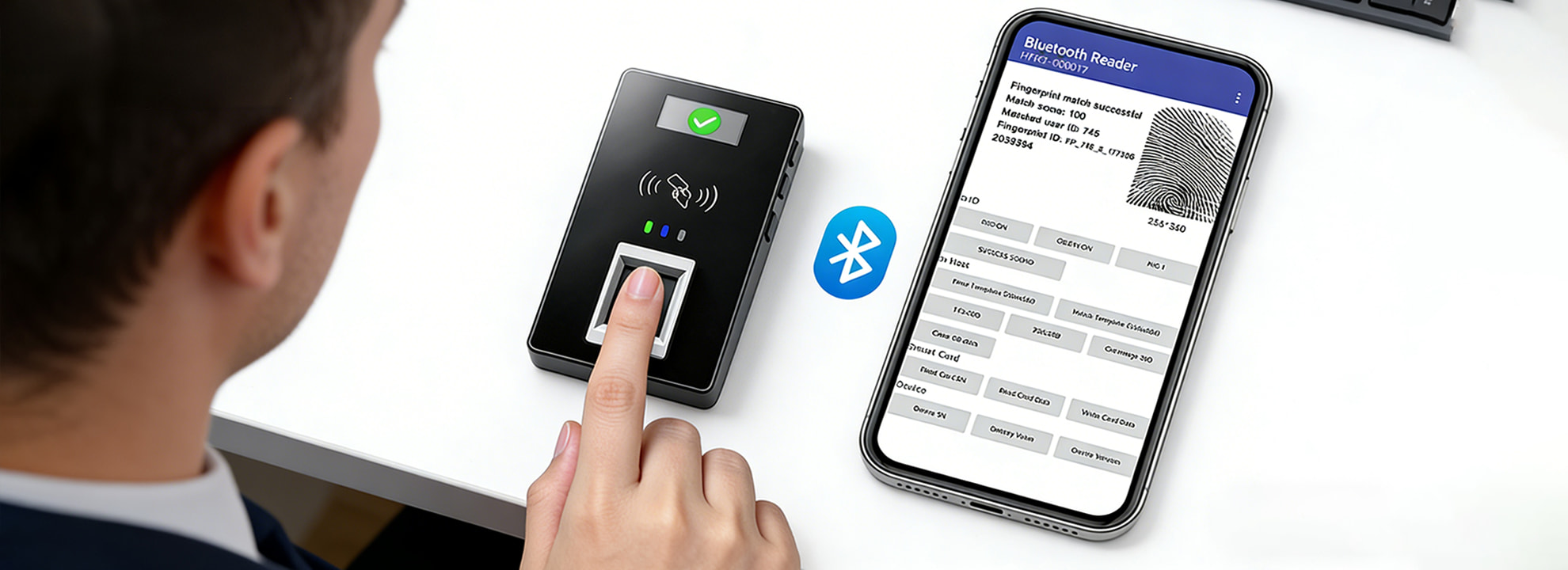
With Bluetooth and NFC capabilities, portable fingerprint readers can connect seamlessly to smartphones and tablets, enabling fully mobile operations.
Durable and Rugged Design
In many cases, these devices are built to withstand harsh environments, including dust, moisture, and physical impact.
Applications Across Industries
Portable fingerprint readers are widely used across various sectors due to their versatility and reliability.
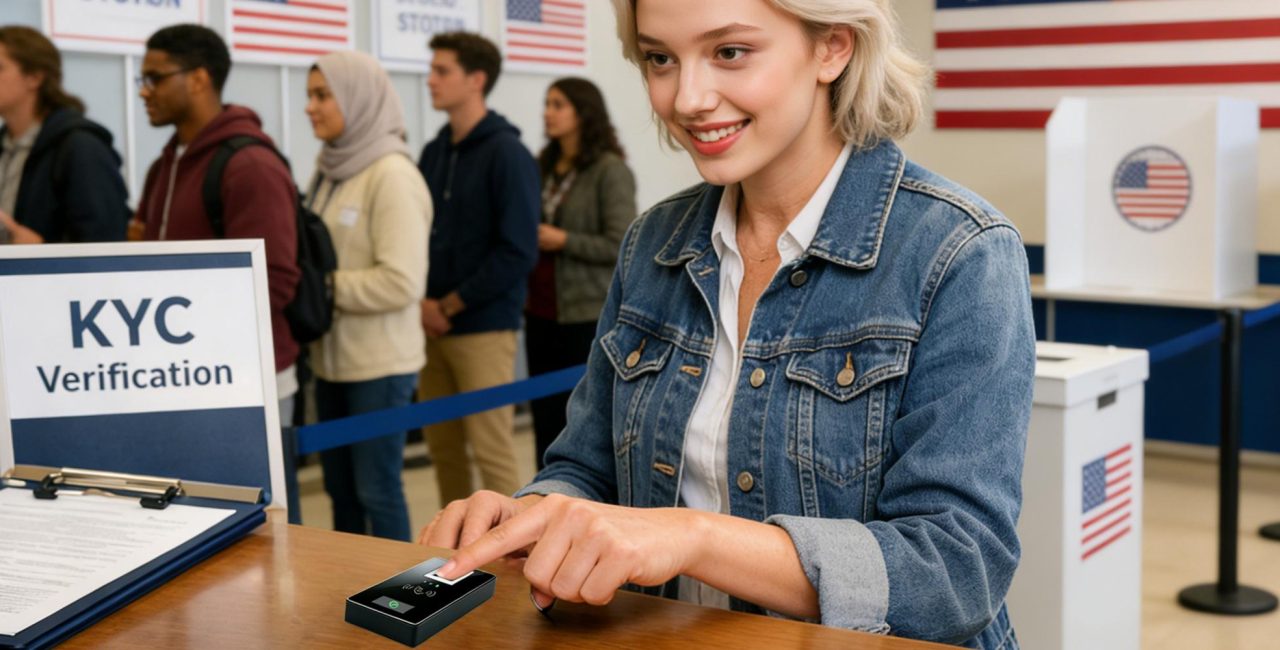
Banking and Financial Services (KYC)
Banks use portable fingerprint readers for Know Your Customer (KYC) processes. This ensures secure account opening and transaction verification, especially in remote areas.
Law Enforcement
Police and security agencies rely on these devices for on-site identity checks, improving efficiency during investigations and patrols.
Telecommunications
Telecom operators use biometric verification for SIM card registration, ensuring compliance with regulations and preventing fraud.
Healthcare
In hospitals, portable fingerprint readers help verify patient identities, thereby reducing medical errors and enhancing data security.
Government and Border Control
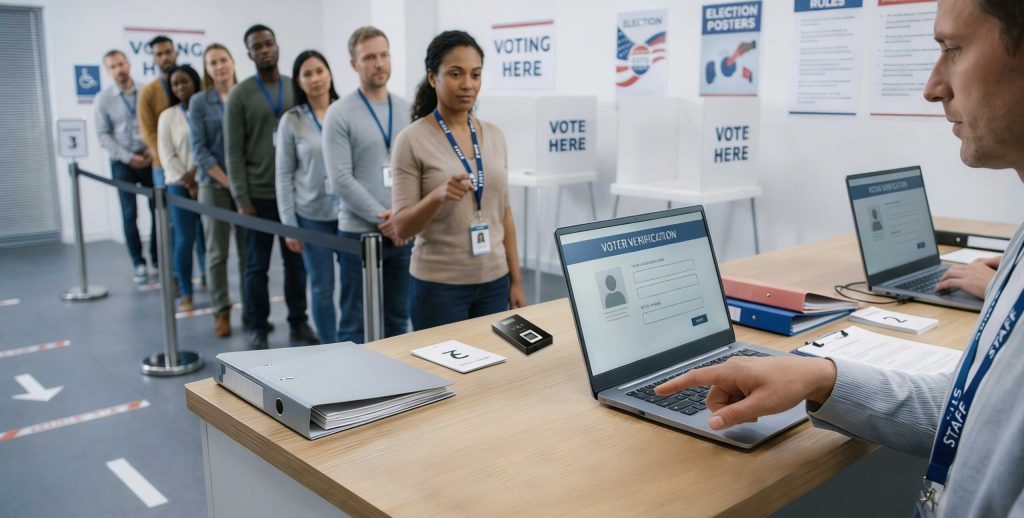
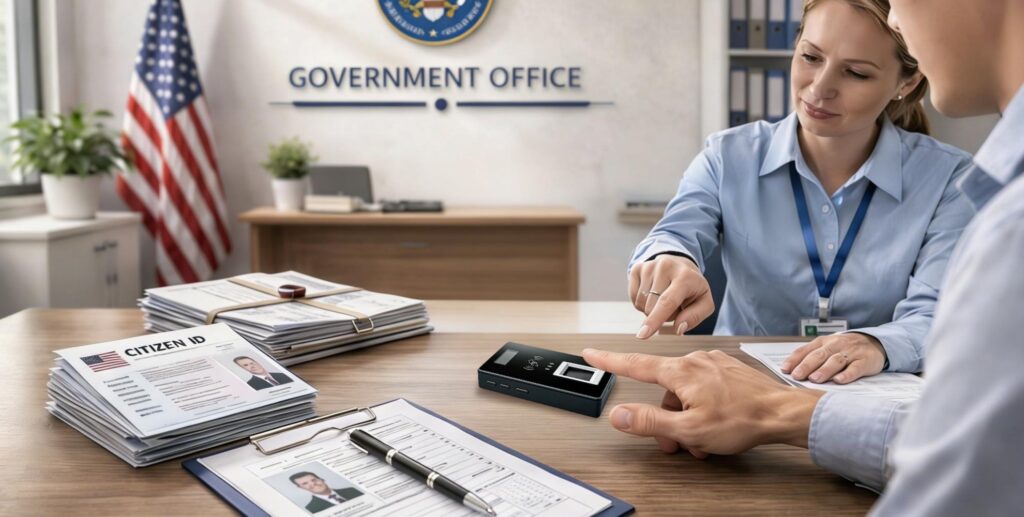
Governments deploy these devices for voter registration, national ID programs, and border security, ensuring accurate and reliable identification.
Benefits for Businesses and Organizations
Adopting a portable fingerprint reader brings multiple advantages:
- Reduced Fraud Risks: Biometric authentication minimizes identity theft
- Operational Efficiency: Faster verification speeds up workflows
- Cost Savings: Eliminates the need for complex infrastructure
- Scalability: Easily deployable across multiple locations
- Compliance: Meets regulatory requirements for identity verification
Furthermore, businesses can integrate these devices into broader biometric systems, creating a comprehensive security ecosystem.
How to Choose the Right Portable Fingerprint Reader
When selecting a device, it is important to consider several factors:
Compatibility
Ensure the reader supports your operating system and software environment.
Accuracy and Speed
Look for devices with high matching accuracy and fast processing times.
Security Features
Choose models with liveness detection and encryption capabilities.
Connectivity Options
Depending on your use case, select USB, Bluetooth, or NFC-enabled devices.
SDK and Integration
A robust SDK is essential for seamless system integration and customization.
Future Trends in Biometric Authentication
As technology continues to evolve, portable fingerprint readers are becoming more advanced. For instance, integration with AI algorithms is improving matching accuracy and speed. Additionally, the combination of multi-modal biometrics—such as fingerprint, facial recognition, and palm vein recognition—is enhancing overall security.
In the near future, portable biometric devices will play a critical role in digital identity ecosystems, supporting secure transactions and remote verification on a global scale.
Conclusion
A portable fingerprint reader for mobile identity verification and biometric authentication is no longer just an option—it is a necessity in today’s security landscape. By offering mobility, accuracy, and high-level security, these devices empower organizations to verify identities efficiently and reliably.
As industries continue to digitize their operations, investing in advanced portable biometric solutions will ensure long-term success and security.
FAQ
A portable fingerprint reader is used for capturing and verifying fingerprint data in mobile environments, enabling secure identity verification across various industries.
Yes, many devices support Bluetooth or USB connections, allowing them to work seamlessly with smartphones and tablets.
Absolutely. With features like liveness detection and encryption, they provide a high level of security against fraud and spoofing.
Industries such as banking, law enforcement, healthcare, telecommunications, and government sectors benefit significantly from these devices.
Yes, most devices come with SDKs that support integration with Android, Windows, and other systems.
