


Among these technologies, the portable wireless fingerprint reader with battery has emerged as a powerful solution for field enrollment and identity verification. Designed for mobility, flexibility, and high performance, these devices enable real-time biometric data capture anytime, anywhere.
This article explores the features, benefits, applications, and key considerations when choosing a wireless fingerprint reader, helping businesses and organizations make informed decisions.
What Is a Portable Wireless Fingerprint Reader?
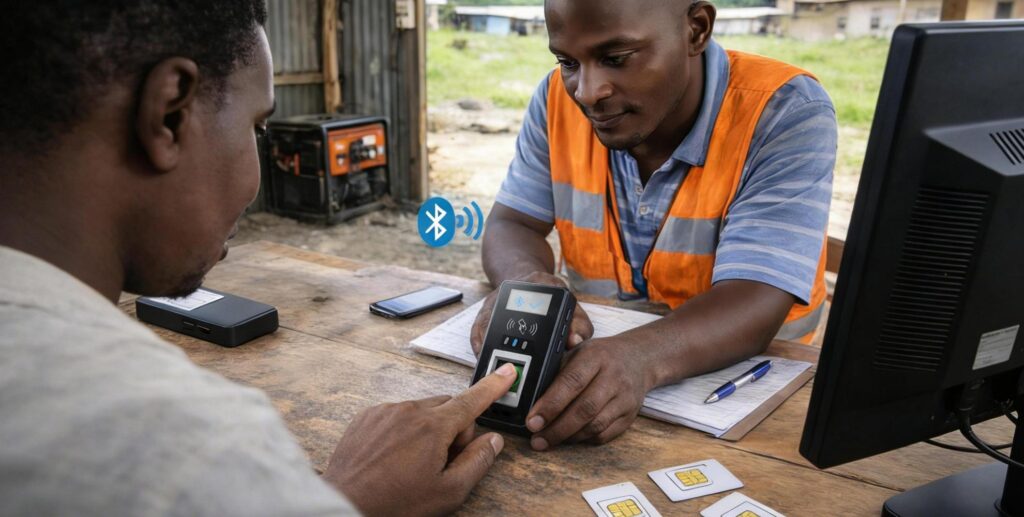
A portable wireless fingerprint reader is a compact biometric device that captures fingerprint data and transmits it wirelessly via technologies such as Bluetooth or Wi-Fi. Unlike traditional wired scanners, it is equipped with a built-in rechargeable battery, allowing it to operate independently without a constant power supply.
These devices are specifically designed for field enrollment scenarios, where mobility and ease of deployment are essential. They can connect seamlessly to smartphones, tablets, and laptops, making them ideal for remote identity verification tasks.
Key Features of Wireless Fingerprint Readers
Wireless Connectivity
Modern wireless fingerprint readers support Bluetooth or Wi-Fi communication, enabling easy integration with mobile devices and backend systems. This eliminates cable constraints and enhances operational flexibility.
Built-in Rechargeable Battery
A high-capacity battery allows the device to function for extended periods, making it perfect for outdoor or remote environments where power access is limited.
Portable and Lightweight Design
Compact form factors ensure easy transportation and handling, which is essential for field officers and mobile enrollment teams.
High-Resolution Fingerprint Capture
Advanced sensors (optical or capacitive) provide accurate and high-quality fingerprint images, ensuring reliable matching and compliance with international standards.
SDK and API Integration
Most professional devices come with SDKs (Software Development Kits), enabling developers to integrate fingerprint authentication into various systems such as: Identity management platforms, Time attendance systems, Access control solutions
Liveness Detection Technology
To prevent spoofing and fraud, some devices include liveness detection, ensuring that only real human fingerprints are accepted.
Benefits of Using a Portable Wireless Fingerprint Reader
Enhanced Mobility
The biggest advantage of a portable wireless fingerprint reader with battery is the ability to perform biometric enrollment anywhere, without being restricted by cables or fixed infrastructure.
This flexibility is especially valuable for field operations in remote areas, temporary work sites, or emergency scenarios where quick deployment and reliable performance are critical for success.
Improved Efficiency in Field Enrollment
Field agents can capture and verify biometric data in real time, reducing delays and eliminating the need for repeated visits.
This significantly speeds up the enrollment process, improves data accuracy, and enhances overall workflow efficiency, allowing organizations to serve more users within a shorter time frame.
Cost-Effective Deployment
Without the need for extensive wiring or infrastructure, organizations can significantly reduce installation and operational costs.
Additionally, maintenance requirements are lower compared to traditional systems, making wireless fingerprint readers a cost-efficient solution for both small-scale and large-scale deployments.
Secure Identity Verification
Fingerprint biometrics offer a high level of security, minimizing identity fraud and ensuring accurate authentication.
When combined with advanced technologies such as encryption and liveness detection, these devices provide an additional layer of protection against spoofing and unauthorized access attempts.
Seamless Integration
With SDK support, these devices can be easily integrated into existing systems, enhancing workflow automation and data management.
This allows businesses to customize applications based on specific needs, ensuring compatibility with various platforms such as access control, attendance systems, and identity management solutions.
Applications in Field Enrollment and Identity Verification
1. Government ID Registration
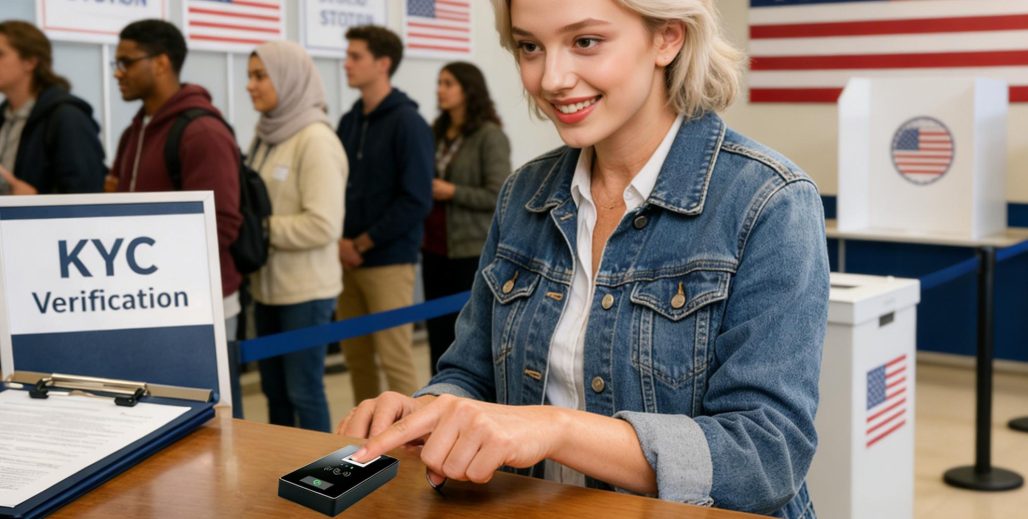
Used in national ID programs, voter registration, and social welfare distribution, ensuring accurate citizen identification.
2. Financial Services (KYC)
Banks and fintech companies use wireless fingerprint readers for Know Your Customer (KYC) processes, enabling secure account opening and transactions.
3. Border Control and Immigration
Portable biometric devices help authorities verify traveler identities quickly and efficiently in remote checkpoints.
4. Law Enforcement
Police and security agencies use fingerprint readers for on-site identity checks and criminal verification.
5. Healthcare and Insurance
Used for patient identification and insurance validation, reducing fraud and improving service delivery.
6. Enterprise Access Control
Organizations deploy these devices for secure employee authentication in remote or temporary work locations.


How to Choose the Right Wireless Fingerprint Reader
Sensor Quality
Choose a device with high-resolution sensors that meet international standards (such as FBI or ISO compliance).
Battery Capacity
Ensure the device supports long working hours, especially for field operations.
Compatibility
Check compatibility with your operating systems (Android, Windows, iOS) and existing software platforms.
SDK Availability
A robust SDK is essential for seamless system integration and customization.
Durability
For outdoor use, select devices with rugged designs and protection against dust and water.
Security Features
Look for advanced features such as encryption and liveness detection to enhance data security.
Wireless vs Wired Fingerprint Readers
| Feature | Wireless Fingerprint Reader | Wired Fingerprint Reader |
|---|---|---|
| Mobility | High | Limited |
| Installation | Easy | Requires setup |
| Power Supply | Battery-powered | Continuous power needed |
| Use Case | Field enrollment | Fixed locations |
| Flexibility | High | Low |
Future Trends in Wireless Biometric Technology
The future of wireless fingerprint readers is driven by advancements in:
AI-powered biometric recognition
Cloud-based identity systems
Multi-modal biometrics (fingerprint + face + iris)
5G-enabled real-time data transmission
These innovations will further enhance the efficiency, accuracy, and scalability of biometric solutions.
Conclusion
The portable wireless fingerprint reader with battery is transforming how organizations handle field enrollment and identity verification. With its mobility, advanced security features, and seamless integration capabilities, it has become an essential tool across multiple industries.
As the demand for secure and efficient identity solutions continues to grow, investing in a high-quality wireless fingerprint reader is a strategic decision that can significantly improve operational efficiency and user experience.
