What Is a Finger Scanner?
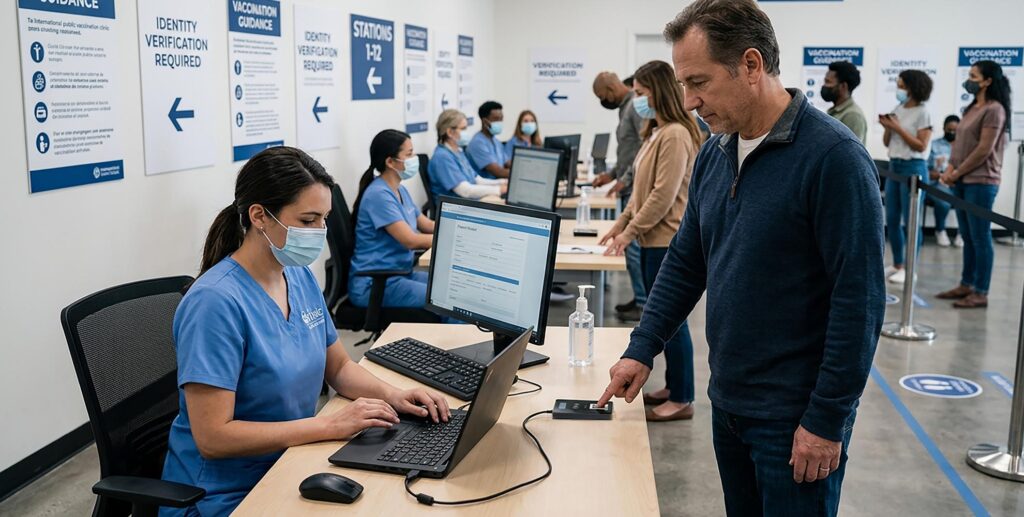
A finger scanner is a biometric device designed to capture and verify fingerprint information for authentication purposes. Unlike traditional passwords or access cards, fingerprints are unique to every individual, making biometric verification more secure and difficult to duplicate.
Modern finger scanner devices are commonly used in:
- Sistemas de control de acceso
- Employee attendance management
- Banking and financial verification
- Government enrollment projects
- SIM card registration systems
- Healthcare identity management
- Visitor management platforms
Because fingerprint authentication is both convenient and reliable, it has become one of the most popular biometric technologies worldwide.

Why SDK and API Support Matters
When businesses deploy biometric systems, integration flexibility is extremely important. A finger scanner with SDK and API support allows developers to connect biometric hardware with software systems more efficiently.
This integration capability provides several advantages:
Faster System Development
SDK and API tools help developers reduce integration complexity and speed up project deployment. Instead of building biometric functions from scratch, developers can integrate fingerprint verification into their existing systems more quickly.
Better Software Compatibility
Modern biometric projects often involve multiple operating systems and software environments. SDK support helps ensure compatibility with Windows, Android, Linux, and embedded systems.
Flexible Customization
API integration makes it easier to customize functions based on project requirements. Businesses can build tailored attendance systems, access control platforms, or KYC verification solutions according to their operational needs.
Easier Maintenance and Expansion
Integrated biometric systems are easier to maintain and upgrade over time. As business requirements change, API-based solutions allow additional features and modules to be added more smoothly.
Key Features of Modern Finger Scanner Solutions
1. High Accuracy Fingerprint Recognition
Advanced fingerprint recognition technology helps improve authentication accuracy while reducing false acceptance and false rejection rates. This is especially important in security-sensitive environments.
2. Fast Verification Speed
Modern finger scanners can process fingerprint data quickly, helping improve user experience in high-traffic environments such as office entrances, schools, banks, and public facilities.
3. Multi-Platform Support
Many finger scanner devices are compatible with desktop systems, mobile devices, and embedded platforms, making them suitable for a wide range of integration projects.
4. Compact and Easy Integration Design
Portable and compact designs make finger scanners easier to install into kiosks, terminals, tablets, and access control devices.
5. Enhanced Security Features
Some advanced biometric devices include liveness detection technology, helping identify fake fingerprints and improving overall system security.

Common Applications of Finger Scanner Integration
Access Control Systems
Fingerprint authentication is widely used in office buildings, factories, schools, and residential communities to improve security and eliminate unauthorized access.
Time Attendance Management
Biometric attendance systems help businesses manage employee attendance more accurately while reducing issues such as buddy punching and manual record errors.
Servicios bancarios y financieros
Banks and financial institutions use fingerprint verification for customer authentication, secure transactions, and KYC identity verification.
Government and Public Security Projects
Many national ID enrollment and citizen verification projects rely on fingerprint scanning technology for secure identity management.
Telecom and SIM Registration
Fingerprint authentication is increasingly used in SIM registration systems to improve subscriber verification and reduce identity fraud.
Choosing the Right Finger Scanner for Integration Projects
Selecting the right finger scanner depends on several factors, including project scale, operating environment, and software compatibility requirements.
When choosing a biometric scanner, businesses should consider:
- Fingerprint recognition accuracy
- SDK and API availability
- Operating system compatibility
- Integration flexibility
- Device durability and stability
- Technical support and customization options
A reliable biometric device not only improves system performance but also reduces long-term maintenance costs.
Future Trends in Biometric Fingerprint Technology
As biometric technology continues to evolve, finger scanner solutions are becoming more intelligent and connected. Cloud-based authentication, mobile biometric verification, and AI-powered security analysis are expected to play a larger role in future biometric systems.
In addition, industries are increasingly combining fingerprint recognition with other biometric technologies such as facial recognition and palm vein recognition to create multi-factor authentication systems with even higher security levels.
Conclusión
A professional finger scanner with SDK and API support provides an efficient and secure solution for modern biometric integration projects. Whether used for access control, attendance management, KYC verification, or public security applications, fingerprint technology continues to offer reliable identity authentication for businesses and organizations worldwide.
As demand for biometric security grows, flexible and integration-friendly fingerprint solutions will continue to play a critical role in building smarter and safer systems.
