


What Is a Biometric Fingerprint Scanner?
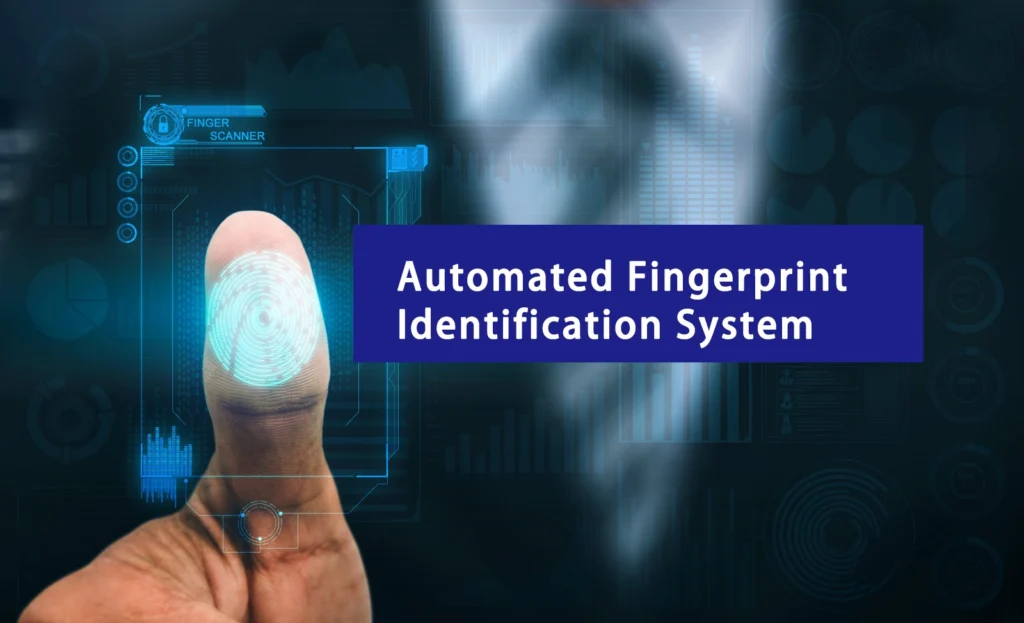
A biometric fingerprint scanner is a device that identifies individuals based on their unique fingerprint patterns. Unlike traditional passwords or ID cards, fingerprints cannot be easily duplicated, providing higher security and convenience. These scanners are widely used in:
Access control systems for offices, factories, and restricted areas
Time attendance systems for accurate employee tracking
Banking and financial transactions
Government and law enforcement
How Does a Biometric Fingerprint Scanner Work?
1. Fingerprint Capture
The first step involves scanning the fingerprint using one of the following technologies:
Optical Scanner: Uses light to capture an image of the fingerprint.
Capacitive Scanner: Detects electrical signals from the ridges and valleys of the fingerprint.
Ultrasonic Scanner: Uses high-frequency sound waves to create a detailed 3D image.
2. Image Processing
Once the fingerprint is captured, the scanner processes the image to enhance ridges, remove noise, and extract unique features, such as minutiae points.
3. Feature Extraction
The scanner converts the processed image into a digital template representing the fingerprint’s unique patterns.
4. Matching & Verification
When a fingerprint is scanned again, the device compares the new template with the stored templates in the database to verify identity. Advanced scanners also use liveness detection to prevent fake fingerprint attacks.
Benefits of Biometric Fingerprint Scanners
1. Enhanced Security with Unique Fingerprints
A biometric fingerprint scanner provides a high level of security because fingerprints are unique to each individual. Unlike passwords or PIN codes, which can be shared or stolen, fingerprints cannot be easily duplicated. This makes biometric fingerprint scanners ideal for access control systems, time attendance management, and identity verification. Advanced devices also include liveness detection technology, preventing fake fingerprint attacks and ensuring secure authentication.
2. Fast and Convenient Authentication
Fingerprint recognition allows for quick and seamless authentication, taking only a few seconds per scan. Users don’t need to remember passwords or carry access cards, which simplifies entry processes in offices, factories, and residential buildings. The speed and convenience of biometric fingerprint scanners also improve operational efficiency, reduce queues, and streamline attendance tracking for HR and security teams.
3. Integration with Multiple Systems
Modern biometric fingerprint scanners can easily integrate with access control systems, HR attendance software, mobile apps, and IoT devices. Many devices offer SDKs and APIs, enabling developers and system integrators to customize solutions for specific needs. This makes fingerprint scanners a flexible and reliable choice for businesses looking to improve employee management, visitor management, and facility security.
4. Cost-Effective in the Long Term
Although the initial investment in a biometric fingerprint scanner may be higher than traditional keycards or passwords, the long-term benefits outweigh the cost. Organizations save on password resets, lost card replacements, and administrative overhead, while also reducing security risks associated with unauthorized access. By combining high security, efficiency, and system integration, fingerprint scanners provide a return on investment (ROI) for businesses of all sizes.
5. Accurate and Reliable Verification
Fingerprint scanners provide high accuracy and reliability, even in large-scale databases with thousands of users. Unlike other biometric methods, fingerprints have unique ridge patterns that remain stable throughout life, ensuring consistent recognition. This makes biometric fingerprint scanners ideal for sensitive environments such as banks, government offices, and healthcare facilities, where identity verification is critical.

Applications of Biometric Fingerprint Scanners
Corporate offices – for employee attendance tracking and secure access control.
Healthcare facilities – to protect patient records and restrict access to sensitive areas.
Banking and financial institutions – for secure authentication in ATMs and branch access.
Government agencies – for identity verification, border control, and official document access.
Educational institutions – to manage student attendance and control access to facilities.
Airports and transportation – for secure passenger identification and staff entry.
Industrial and manufacturing facilities – to restrict access to high-risk zones and track workforce attendance.
Smart homes and residential communities – for secure door, safe, and building entry.
Hotels and hospitality – for staff management and controlled access to restricted areas.
Research laboratories – to secure sensitive equipment and data access.
Data centers – for authorized personnel access and high-security management.
Mobile devices – for fast and secure smartphone or tablet authentication.
FAQ
Are biometric fingerprint scanners secure?
Yes, they provide high security because fingerprints are unique. Advanced scanners include liveness detection to prevent spoofing.
What is the difference between optical and capacitive fingerprint scanners?
Optical scanners use light to capture fingerprint images, while capacitive scanners detect electrical signals from fingerprint ridges. Capacitive scanners are generally more accurate and harder to trick.
Can fingerprints be hacked?
While no system is 100% hack-proof, biometric scanners with liveness detection and encryption make unauthorized access extremely difficult.
Where can I use a biometric fingerprint scanner?
They are suitable for offices, factories, banks, healthcare facilities, government agencies, and personal devices.
Does it require software integration?
Yes, most biometric scanners come with SDKs and APIs for integration with access control, attendance management, and other systems.
