What Is a Contactless Palm Vein Scanner?
A contactless palm vein scanner is a biometric device that identifies individuals by analyzing the unique vein patterns inside the palm. Since these patterns are located beneath the skin, they cannot be easily replicated or stolen.
In addition, the system does not require physical contact, which makes it more hygienic and suitable for environments where cleanliness is essential.
Key Technology Principle
- Uses near-infrared light to detect hemoglobin in blood vessels
- Captures internal vein structure patterns
- Converts biometric data into encrypted identity templates
Therefore, it provides a highly secure and stable authentication method for modern security systems.
How Contactless Palm Vein Authentication Works
The working process of a contactless palm vein scanner is both fast and efficient:
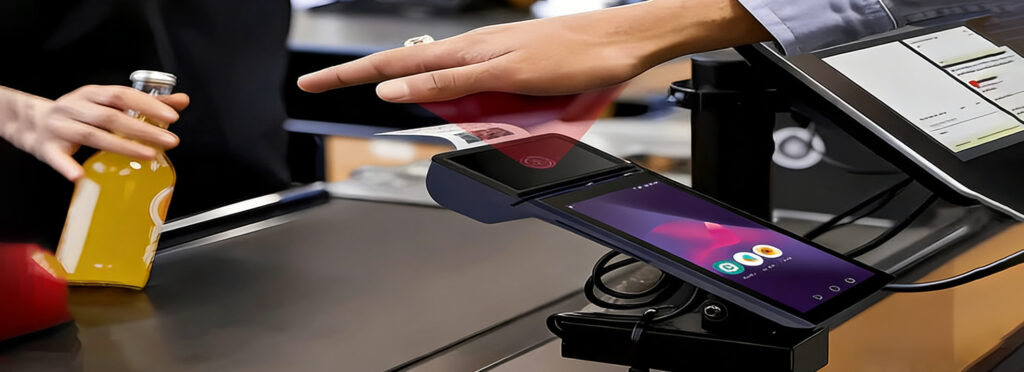
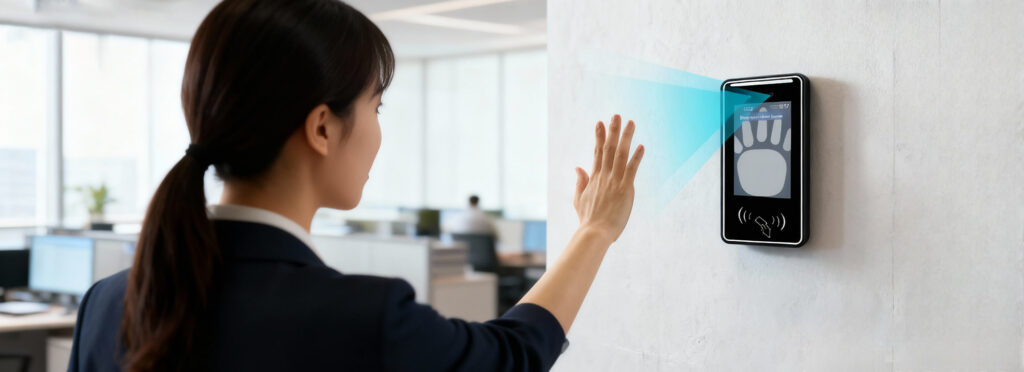
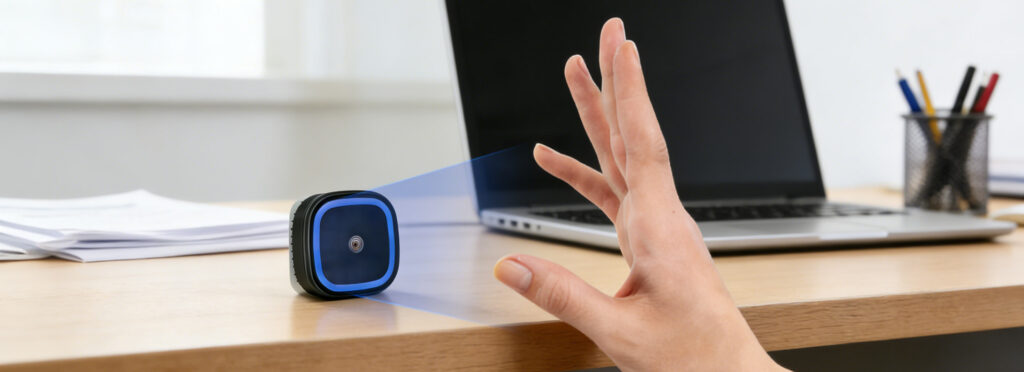
- The user places their palm near the scanner without touching it
- The device emits near-infrared light to capture vein patterns
- The system converts the pattern into a digital biometric template
- The template is matched with stored data for verification
As a result, authentication is completed within seconds, ensuring smooth access control and user flow.
Key Benefits of Contactless Palm Vein Scanner Technology
1. High Security and Anti-Fraud Protection
First and foremost, palm vein patterns are located inside the human body, making them extremely difficult to replicate or steal. Unlike fingerprints or cards, this internal biometric feature significantly reduces the risk of spoofing and identity fraud. Therefore, it is widely used in high-security environments such as banking, government, and enterprise systems.
2. Fully Contactless and Hygienic Operation
In addition, the contactless design ensures that users do not need to physically touch the device. This is particularly important in environments where hygiene is a priority, such as hospitals, offices, and public access areas. Moreover, it reduces wear and tear on the device, extending its operational lifespan.
3. Fast and Accurate Authentication
Another major advantage is speed. Palm vein recognition provides rapid identification, typically within one second. Furthermore, the accuracy rate is extremely high due to the uniqueness of vascular patterns. As a result, it helps reduce waiting time and improves overall user experience.
4. Difficult to Forge or Duplicate
Unlike fingerprints or facial images, vein patterns exist beneath the skin and cannot be visually observed. Therefore, it is nearly impossible to fake or replicate. This makes palm vein scanning one of the most secure biometric technologies currently available in the market.
5. Suitable for High-Security Applications
Moreover, this technology is widely used in industries requiring strict identity verification, such as financial institutions, enterprise access control systems, and government facilities. It ensures that only authorized personnel can gain access to restricted areas or sensitive data.
Applications of Contactless Palm Vein Scanner Systems
The versatility of palm vein technology allows it to be used in multiple sectors:
Access Control Systems
Used in factories, offices, and secure facilities to manage employee entry and exit efficiently.
KYC and Identity Verification
Widely applied in banking and fintech industries for secure customer onboarding and authentication.
Healthcare Systems
Ensures hygienic patient identification in hospitals and medical institutions.
Government and Public Security
Used in national ID systems, immigration control, and secure government facilities.
Why Choose Contactless Palm Vein Biometrics?
Compared to traditional biometric technologies, palm vein recognition offers several clear advantages.
However, fingerprint systems can be affected by surface damage or environmental conditions. Facial recognition, on the other hand, may face challenges in low-light environments or privacy concerns.
Therefore, palm vein technology provides a more stable, secure, and reliable alternative for modern authentication needs.
Integration with Modern Security Systems
In addition to standalone use, contactless palm vein scanners can be easily integrated into:
- Access control systems
- Time attendance platforms
- Visitor management systems
- Centralized security databases
Moreover, they support API and SDK integration, allowing businesses to customize solutions based on operational requirements.
Phần kết luận
In conclusion, the contactless palm vein scanner represents a next-generation biometric authentication solution that combines security, hygiene, and efficiency.
With increasing demand for contactless and highly secure identification systems, this technology is becoming a key component in modern access control and identity verification infrastructures.
Therefore, investing in palm vein biometric systems is not only a security upgrade but also a strategic step toward smarter and safer digital transformation.
