






In today’s fast-evolving security landscape, businesses and governments are demanding higher levels of accuracy, speed, and hygiene in identity verification. A Contactless Iris Recognition System has emerged as one of the most secure biometric authentication solutions available.
Unlike traditional fingerprint systems that require physical contact, iris recognition technology captures unique patterns in the human iris without touch. As a result, it provides superior security, improved user experience, and reduced health risks — making it ideal for modern access control systems and workforce management solutions.
This article explores how contactless iris recognition works, its key benefits, industry applications, and why it is becoming the preferred biometric security system worldwide.
What Is a Contactless Iris Recognition System?

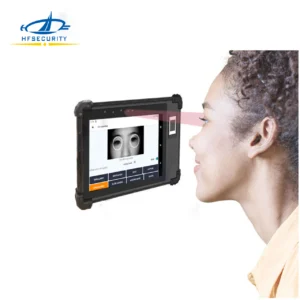
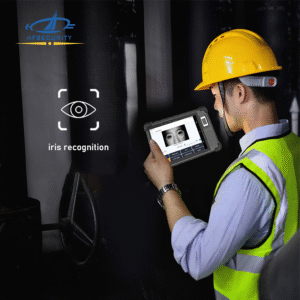
A Contactless Iris Recognition System is a biometric security solution that identifies individuals by analyzing the unique patterns in their iris. Using advanced near-infrared imaging technology, the iris scanner captures high-resolution images from a short distance without physical contact.
Because iris patterns are highly complex and stable throughout a person’s life, iris biometric authentication offers:
Extremely high accuracy
Low false acceptance rate (FAR)
Low false rejection rate (FRR)
Fast recognition speed
Contactless and hygienic operation
Compared to other biometric identification methods such as fingerprint recognition or facial recognition, iris recognition systems provide a higher level of security and reliability.
How Contactless Iris Recognition Technology Works
Understanding how iris recognition technology works helps explain why it is considered one of the most secure biometric solutions.
1. Image Capture
The iris scanner uses near-infrared light to capture a detailed image of the iris from a short distance. Because the system is contactless, users do not need to touch the device.
2. Iris Pattern Extraction
Advanced algorithms analyze the intricate texture and patterns of the iris. These patterns are unique to each individual — even identical twins have different iris patterns.
3. Template Conversion
The extracted iris data is converted into a digital template and securely stored in the biometric database.
4. Matching and Authentication
When a user attempts authentication, the system compares the live iris scan with stored templates. If the match is verified, access is granted.
This process takes only seconds, making the contactless iris recognition system both secure and efficient.
Key Benefits of a Contactless Iris Recognition System
1. Superior Security Level
Iris recognition provides one of the highest levels of biometric accuracy available. The probability of two irises being identical is extremely low, which makes it ideal for high-security environments such as government facilities and financial institutions.
2. Contactless and Hygienic Authentication
Because the system operates without physical contact, it reduces the spread of bacteria and viruses. In post-pandemic environments, contactless biometric systems have become a preferred solution for enterprises and public institutions.
3. High Accuracy and Stability
Unlike fingerprint recognition, which can be affected by worn or damaged fingerprints, iris patterns remain stable over a lifetime. This ensures long-term reliability.
4. Fast Recognition Speed
Modern iris recognition devices provide rapid identification within seconds, ensuring smooth user flow in high-traffic areas.
5. Non-Intrusive User Experience
Users simply look at the device for authentication. There is no need for physical interaction or complicated steps.
Contactless Iris Recognition vs Other Biometric Systems
When choosing a biometric access control system, organizations often compare iris recognition with other technologies.
Iris Recognition vs Fingerprint Recognition
Iris recognition offers higher accuracy.
It is contactless, unlike fingerprint scanners.
It is less affected by environmental factors such as moisture or worn skin.
Iris Recognition vs Facial Recognition
Iris recognition provides more precise identification.
It is less vulnerable to spoofing attempts.
It performs reliably even when facial features are partially covered.
As a result, many enterprises adopt iris recognition for high-security authentication, while combining it with other biometric modalities for multi-factor verification.
Applications of Contactless Iris Recognition Systems
A Contactless Iris Recognition System is widely used across multiple industries.
Government and Border Control
Government agencies use iris biometric systems for identity verification, national ID programs, and border security.
Airports and Transportation
Airports deploy iris scanners to speed up passenger authentication while maintaining high security standards.
Banking and Financial Institutions
Financial institutions rely on iris recognition technology to protect sensitive customer data and prevent identity fraud.
Healthcare Facilities
Hospitals and healthcare centers use contactless biometric systems to manage secure access while maintaining hygiene.
Enterprise Access Control
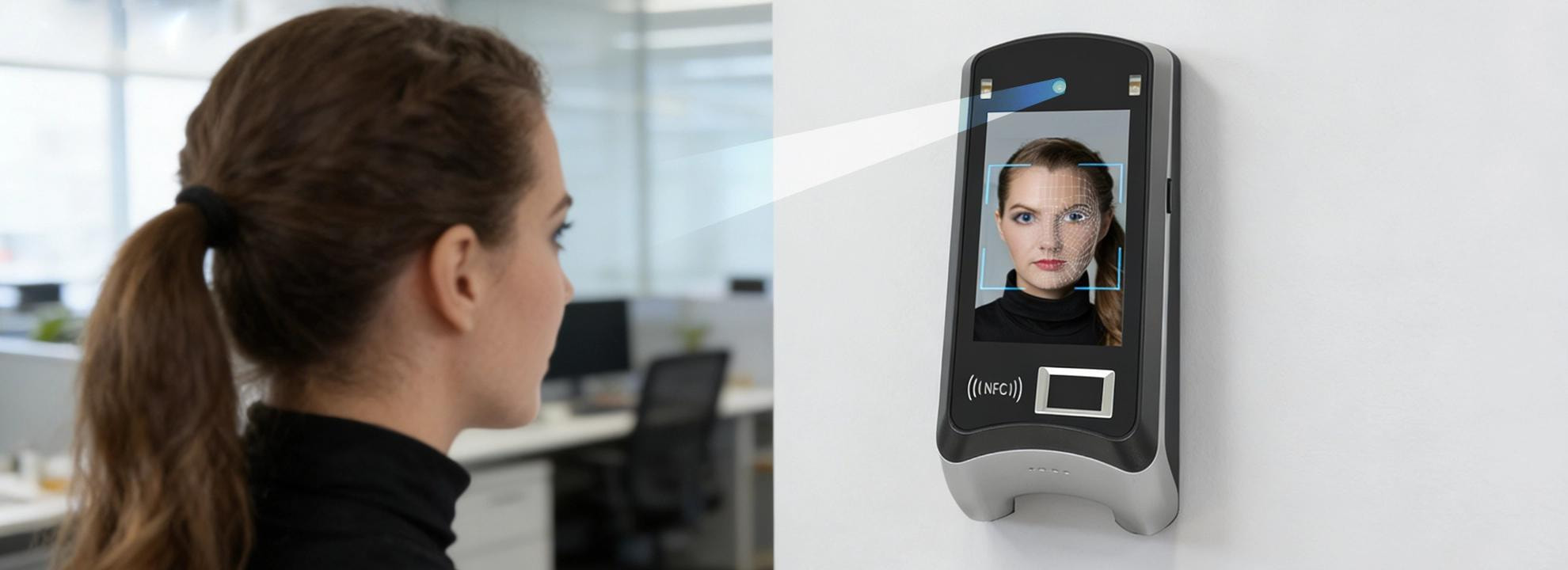
Companies integrate iris recognition access control systems into office buildings, data centers, and research labs.
Workforce Time Attendance
A contactless iris recognition time attendance system ensures accurate employee attendance tracking and prevents buddy punching.
Why Businesses Are Adopting Contactless Iris Recognition
The growing demand for advanced biometric authentication systems is driven by three major factors:
Increasing security threats
Demand for contactless identification solutions
Need for accurate workforce management
Moreover, modern iris recognition devices can be integrated with access control systems, turnstile gates, time attendance software, and enterprise security platforms. This integration allows organizations to build a complete biometric security ecosystem.
Important Features to Consider
When selecting a contactless iris recognition system, consider the following features:
High-resolution infrared imaging
Advanced anti-spoofing and liveness detection
Fast recognition speed
Large user capacity
SDK and API support for integration
Compatibility with access control and attendance software
Durable industrial design
Choosing a reliable iris recognition device manufacturer ensures long-term performance and technical support.
Future Trends of Iris Recognition Technology
Looking ahead, iris biometric authentication will continue to evolve. With AI-powered algorithms, cloud-based biometric databases, and multi-modal biometric systems, contactless iris recognition will become even more accurate and efficient.
Furthermore, as smart cities and digital identity programs expand globally, iris recognition technology will play a critical role in secure digital transformation.
Conclusion
A Contactless Iris Recognition System provides unmatched accuracy, security, and hygiene. Compared to traditional biometric systems, it offers higher stability and long-term reliability.
Whether deployed for access control, workforce time attendance, border security, or financial authentication, iris recognition technology ensures secure and efficient identity verification.
As organizations continue to prioritize contactless biometric solutions, iris recognition stands out as a future-proof security investment.
FAQ
Is iris recognition more secure than fingerprint recognition?
Yes. Iris recognition offers higher accuracy and lower false acceptance rates compared to fingerprint systems.
Does iris recognition require physical contact?
No. A contactless iris recognition system works without touch, making it hygienic and user-friendly.
Can iris recognition be used for time attendance?
Yes. Many businesses use iris recognition time attendance systems to prevent buddy punching and ensure accurate workforce tracking.
Is iris recognition safe for the eyes?
Yes. Iris scanners use safe near-infrared light that does not harm the eyes.
Can iris recognition systems integrate with access control devices?
Yes. Most commercial iris recognition devices support integration with access control systems, turnstile gates, and attendance software through SDK or API.
