Why Is Single-Mode Biometric Recognition Not Always Enough?
Biometric technologies such as facial recognition and fingerprint recognition are widely used in access control, attendance management, and identity verification. However, different application environments can present different challenges.
For example, facial recognition may be affected by lighting conditions, face coverings, or installation environments. Fingerprint recognition may be less convenient for users whose fingerprints are worn or difficult to capture. In certain applications, organizations may also require contactless identification or additional verification methods.
Therefore, selecting a biometric technology should not only depend on recognition performance. Project requirements, user groups, environmental conditions, security policies, and system integration capabilities must also be considered.
A successful identity verification solution should be designed around the application, rather than forcing every project to use the same recognition method.
How Does Multimodal Biometrics Improve Identity Verification?
Multimodal biometrics refers to the integration of two or more biometric technologies within one identity verification system. Depending on the project, it can also combine biometric recognition with credential-based technologies such as NFC cards and QR codes.
Common Biometric and Credential Technologies
- Facial Recognition: Supports contactless identity verification in workplaces, access control systems, and public facilities.
- Fingerprint Recognition: Provides a widely adopted biometric method for attendance management and access authentication.
- Palm Vein Recognition: Uses internal vascular patterns for contactless identity verification, offering another option for applications with specific security and hygiene requirements.
- Iris Recognition: Analyzes the unique patterns of the iris to support accurate biometric identification, making it suitable for applications requiring advanced identity verification and security.
- NFC: Enables card-based authentication and can work alongside biometric methods to support different user preferences and access policies.
Flexible Technology Combinations for Different Projects
More importantly, multimodal biometrics does not mean that every project needs to integrate all available technologies.
Instead, the combination should be determined by the actual application. Some projects may require face and fingerprint recognition, while others may benefit more from face, palm vein, and NFC integration. Projects with more demanding identity verification requirements may also consider iris recognition as part of their biometric configuration.
This flexibility allows system integrators and solution providers to configure identity verification systems according to different operational requirements.
Where Are Multimodal Biometrics Used?
The value of multimodal biometrics becomes more apparent when applied to real project scenarios. Different industries have different identity verification requirements, making flexible biometric technology combinations increasingly important.
Factories, office buildings, and industrial facilities often require reliable employee identification for attendance recording and access control. Combining facial recognition, fingerprint, or palm vein recognition with NFC can provide different authentication options for employees and visitors.
Schools, healthcare facilities, gyms, and other commercial environments may also require different methods for user authentication, attendance tracking, and payment management. Combining biometric recognition with NFC or QR code technologies can help support these operational processes.
Multimodal Biometrics in Border Management and Government Projects
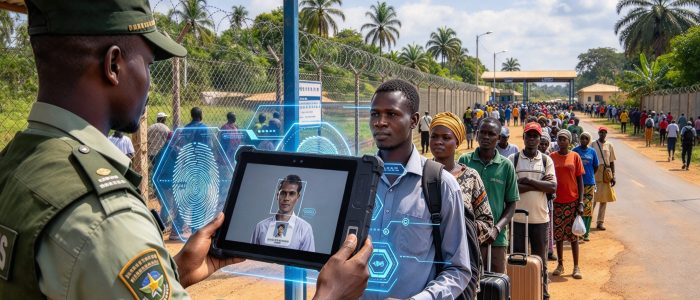
Border Management and Immigration Control
In border management and immigration control, biometric technologies play an important role in verifying traveler identities and managing cross-border movements. Facial recognition, fingerprint recognition, iris recognition, and other biometric identification methods can support identity verification, passenger processing, and border security operations.
Depending on project requirements, integrating multiple biometric technologies can provide greater flexibility for identity enrollment and verification systems.
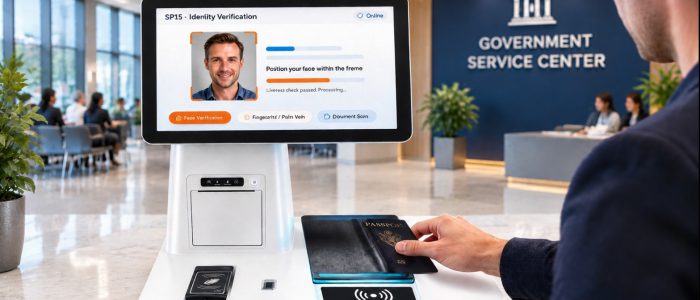
Government Identity Programs
Government identity programs and public service applications often involve large user populations, diverse verification requirements, and specific security standards. Multimodal biometric technologies provide more options when designing identity enrollment and verification systems.
For system integrators and government project suppliers, the ability to select and combine different technologies is particularly important when delivering projects with varying technical specifications.
Why Does Multimodal Technology Matter to OEM/ODM Projects?
For biometric device distributors, system integrators, and OEM/ODM partners, product flexibility is an important consideration when selecting a manufacturing partner.
Different markets and projects may require different biometric combinations, hardware configurations, communication interfaces, installation methods, and software integration capabilities. A standardized product may not always meet every project requirement.
This is where OEM and ODM capabilities become valuable.
1.Hardware and Biometric Technology Customization
Manufacturers can support project-specific biometric combinations, device configurations, appearance, interfaces, and installation structures, helping partners adapt products to different application environments.
2. Software and System Integration
SDK/API support and software customization can help integrate biometric devices with existing attendance management platforms, access control systems, and other third-party applications.
3. Project-Based Product Development
Different projects may have specific functional and technical requirements. Flexible product development enables manufacturers to adjust device configurations and functions according to the needs of different markets and customers.
For OEM/ODM partners, this means greater flexibility in developing differentiated biometric products and delivering solutions that align with their customers’ needs.
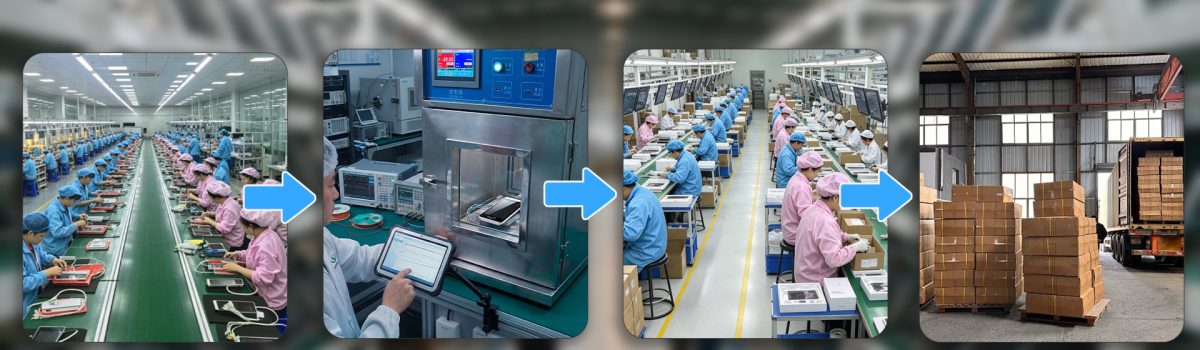
HFSecurity: Multimodal Biometric Technologies for Different Applications
As a biometric technology manufacturer, HFSecurity provides a range of biometric identification technologies and device solutions designed for different identity verification requirements.
Our technology portfolio covers facial recognition, fingerprint recognition, palm vein recognition, and NFC-based identification, supporting different combinations for attendance management, access control, identity verification, and other application scenarios.
Beyond standard devices, HFSecurity also provides OEM/ODM services to support project-specific hardware configurations, product design, software integration, and functional customization.
With in-house R&D, engineering, and manufacturing capabilities, we work with distributors, system integrators, government project suppliers, and technology partners to develop biometric solutions based on real application requirements.
Our focus is not simply on providing multiple recognition technologies, but on helping partners select and integrate the right technologies for their projects.
Meet HFSecurity at BMIC 2026 in Bangkok, Thailand
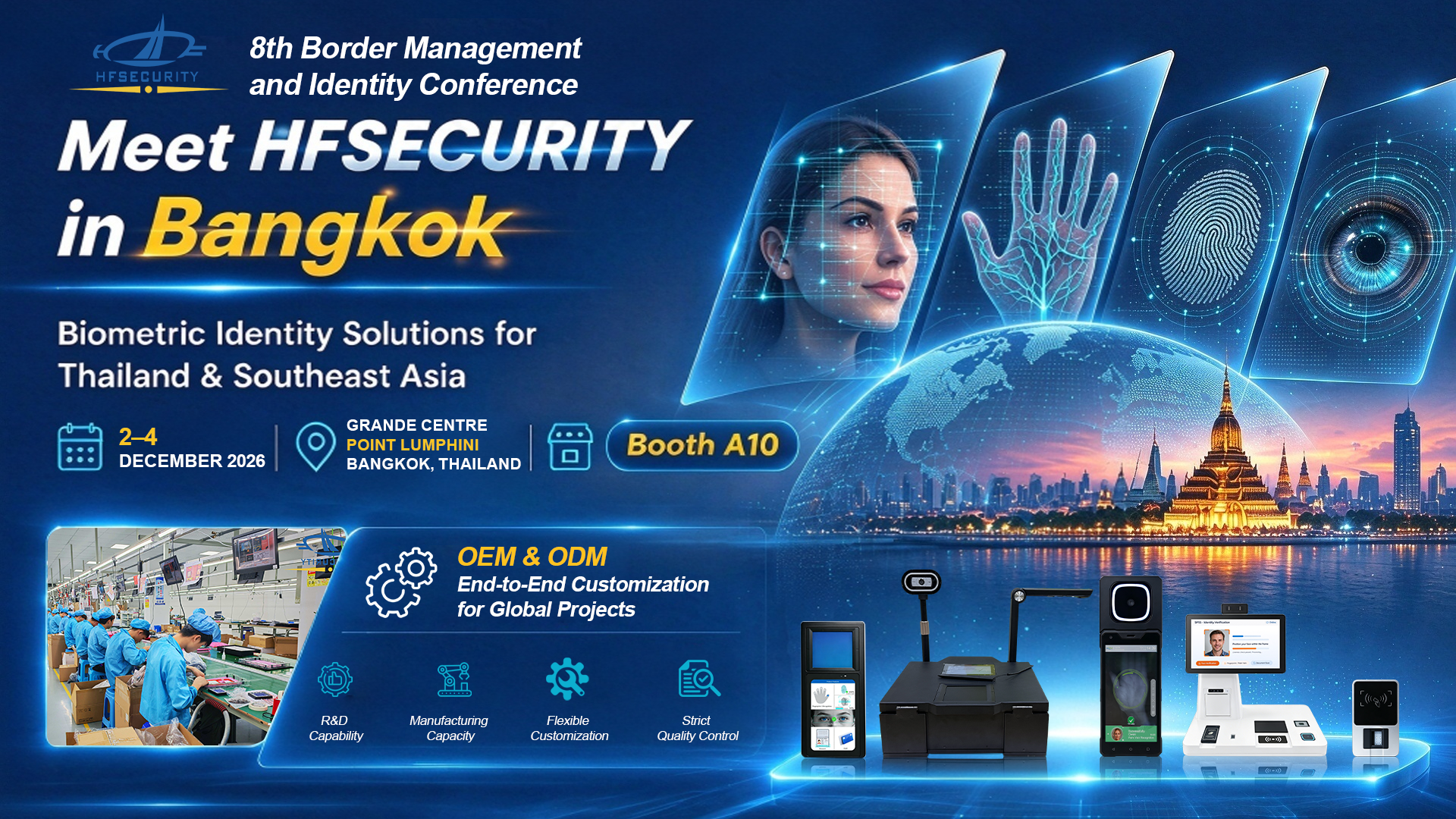
As multimodal biometrics continues to expand across identity management and security applications, communication and collaboration between technology providers and industry partners are becoming increasingly important.
HFSecurity will participate in the 8th Border Management and Identity Conference 2026 (BMIC) in Bangkok, Thailand.
📅 Date: December 2–4, 2026
📍 Venue: Grande Centre Point Lumphini, Bangkok, Thailand
📌 Booth: A10
