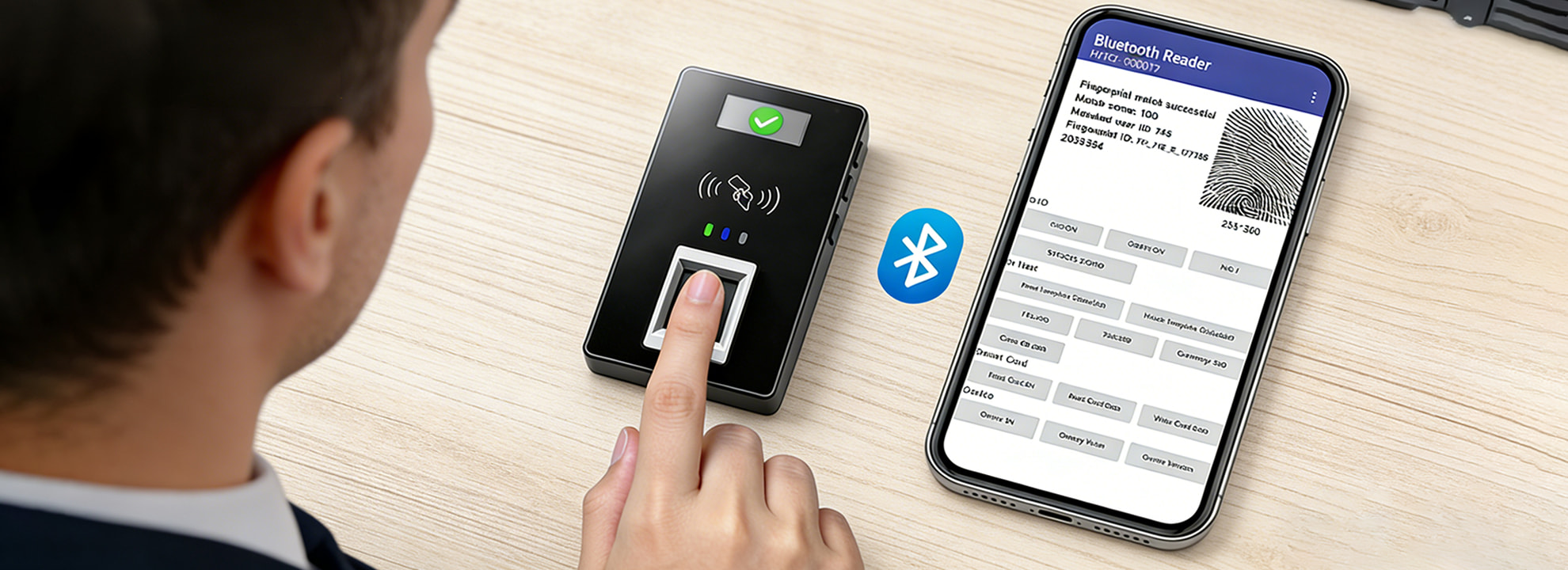
As organizations continue to embrace digital transformation, the demand for secure and convenient identity verification solutions is growing rapidly. Traditional passwords and PIN codes are increasingly vulnerable to theft, misuse, and cyberattacks. As a result, biometric authentication technologies have become a preferred security solution for businesses, government agencies, financial institutions, and healthcare providers.
Among these technologies, the Bluetooth Fingerprint Reader stands out as a flexible and efficient solution. By combining advanced fingerprint recognition technology with wireless connectivity, Bluetooth fingerprint readers enable secure biometric authentication without the limitations of wired devices.
This article explores the key features, benefits, and applications of Bluetooth fingerprint readers and explains why they are becoming an essential tool for modern security systems.
What Is a Bluetooth Fingerprint Reader?
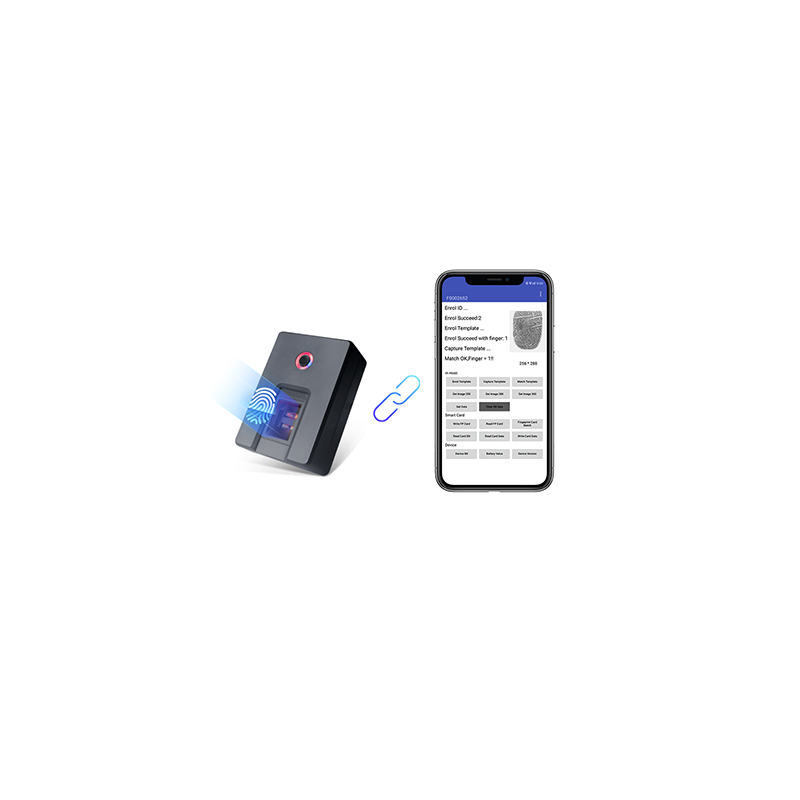
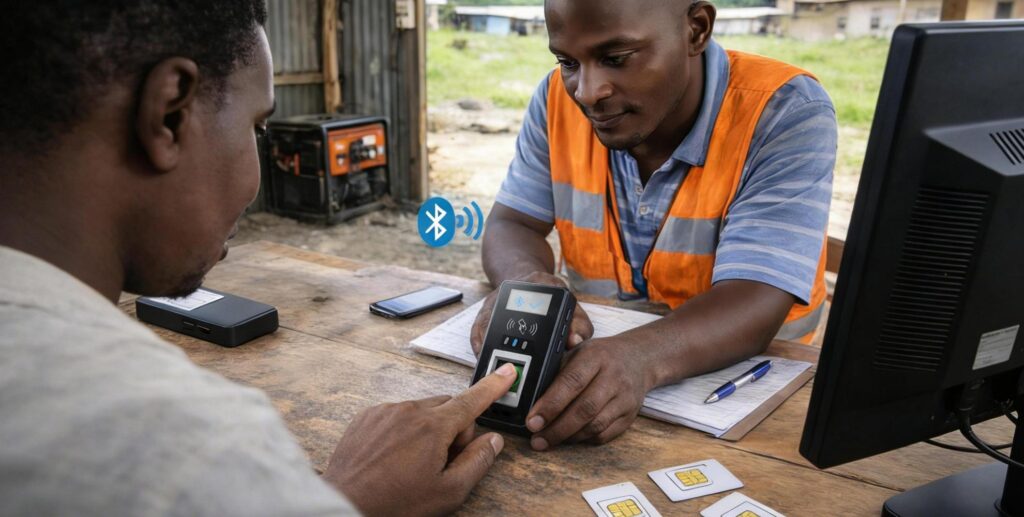
A Bluetooth Fingerprint Reader is a wireless biometric device that captures and verifies fingerprint data through Bluetooth connectivity. Unlike traditional USB fingerprint scanners that require a direct cable connection, Bluetooth-enabled fingerprint readers can communicate with smartphones, tablets, laptops, and other smart devices wirelessly.
These devices are widely used for:
- Verifikasi Identitas
- Access control systems
- Employee attendance management
- Mobile biometric enrollment
- Financial authentication
- Government identification programs
The combination of mobility and biometric security makes Bluetooth fingerprint readers highly suitable for both indoor and outdoor applications.
Key Features of a Bluetooth Fingerprint Reader
1. Wireless Bluetooth Connectivity
One of the most important advantages of a Bluetooth Fingerprint Reader is wireless communication. Users can connect the device to mobile phones, tablets, and computers without physical cables, improving flexibility and convenience.
Bluetooth connectivity allows organizations to deploy biometric authentication systems in remote locations where traditional wired infrastructure may not be practical.
2. High-Accuracy Fingerprint Recognition
Modern Bluetooth fingerprint readers use advanced fingerprint recognition algorithms to deliver highly accurate biometric matching.
Key capabilities often include:
- Fast fingerprint capture
- High-resolution image acquisition
- Low false acceptance rates
- Low false rejection rates
- Reliable performance in various environments
These features help organizations maintain secure and efficient authentication processes.
3. Portable and Lightweight Design
Many Bluetooth biometric devices are designed for portability. Compact dimensions and lightweight construction allow field personnel to carry and operate the device easily.
This makes Bluetooth fingerprint readers ideal for:
- Mobile registration projects
- Border control operations
- Banking services
- Law enforcement activities
- Remote identity verification
4. Liveness Detection Technology
Advanced Bluetooth fingerprint readers may include liveness detection technology, which helps distinguish genuine fingerprints from fake fingerprints made from silicone, rubber, or other materials.
Liveness detection significantly enhances biometric security and reduces the risk of spoofing attacks.
5. Long Battery Life
Most Bluetooth fingerprint readers feature rechargeable batteries that support extended operation without frequent charging.
Long battery life is particularly important for:
- Field enrollment projects
- Mobile verification services
- Outdoor security operations
- Government identification programs
Benefits of Using a Bluetooth Fingerprint Reader
1. Enhanced Security
Fingerprint authentication provides a higher level of security compared to passwords, access cards, or PIN codes.
Since fingerprints are unique to each individual, biometric verification helps prevent unauthorized access and identity fraud.
Organizations can strengthen security while reducing credential-related risks.
2. Improved User Convenience
Users do not need to remember complex passwords or carry multiple access cards.
Authentication can be completed within seconds using a simple fingerprint scan, improving user experience and operational efficiency.
3. Increased Mobility
Wireless connectivity allows biometric authentication to be performed virtually anywhere.
Whether used in remote villages, construction sites, financial institutions, or government service centers, Bluetooth fingerprint readers offer unmatched deployment flexibility.
4. Reduced Operational Costs
By eliminating the need for extensive cabling and infrastructure, Bluetooth biometric solutions can lower installation and maintenance costs.
Organizations can deploy secure authentication systems more efficiently while reducing hardware complexity.
5. Better Compliance and Accountability
Biometric authentication provides accurate identity verification records that help organizations meet compliance requirements and improve accountability.
This is particularly valuable in industries such as healthcare, finance, government, and education.
Common Applications of Bluetooth Fingerprint Readers
Law Enforcement and Public Safety
Police departments and security agencies often use portable fingerprint readers for field identification and verification.
Bluetooth connectivity enables officers to perform biometric checks quickly while remaining mobile.
Access Control Systems
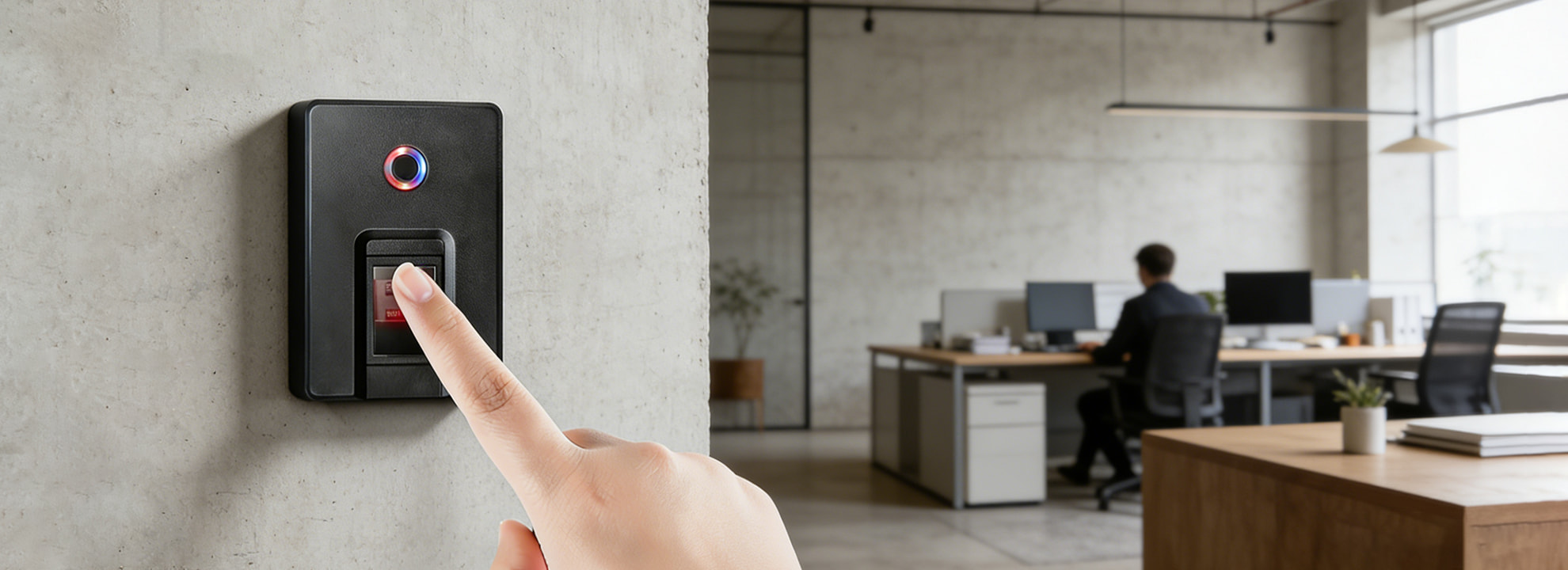
Bluetooth fingerprint readers can be integrated into access control solutions to secure offices, factories, warehouses, and critical infrastructure.
Authorized users can gain access through biometric verification, reducing the risk of unauthorized entry.
Employee Attendance Management
Businesses increasingly use biometric attendance systems to improve workforce management.
Bluetooth fingerprint readers help ensure accurate attendance records while preventing buddy punching and time fraud.
Banking and Financial Services
Financial institutions use biometric authentication to enhance customer verification and secure transactions.
Fingerprint-based authentication helps reduce fraud while improving customer trust and compliance with regulatory requirements.
Healthcare Security
Healthcare organizations handle sensitive patient information that requires strong protection.
Bluetooth fingerprint readers can secure access to medical records, restricted areas, and healthcare systems while ensuring that only authorized personnel can gain access.
Mobile Identity Verification
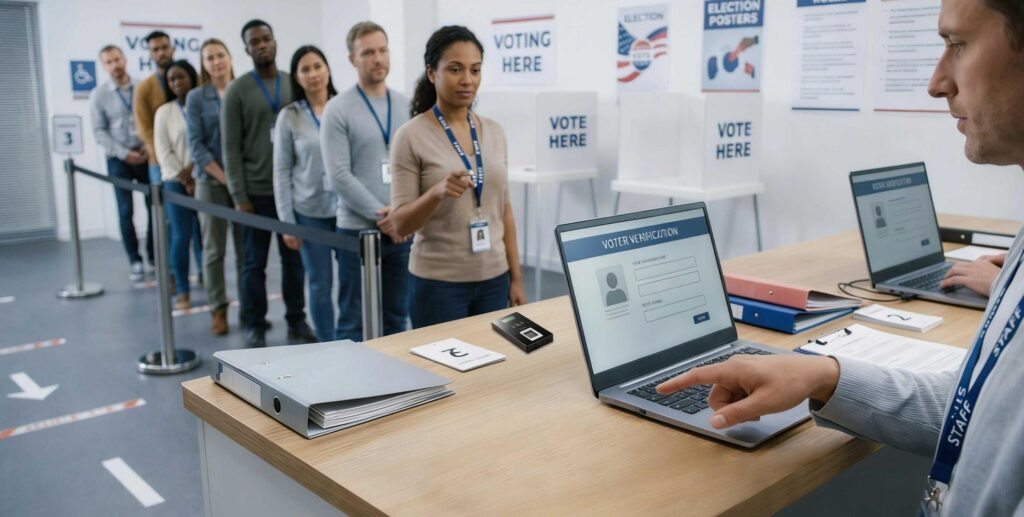
Many organizations use Bluetooth fingerprint readers for mobile identity verification.
Field officers can verify identities using smartphones or tablets while accessing centralized databases in real time.
This application is widely used in:
- National ID programs
- Voter registration
- Citizen enrollment projects
- Social welfare distribution
Choosing the Right Bluetooth Fingerprint Reader
When selecting a Bluetooth Fingerprint Reader, organizations should consider several factors:
Security Features
Look for devices that offer:
- Liveness detection
- Data encryption
- Secure communication protocols
- Advanced matching algorithms
Compatibility
Ensure the device supports:
- Android systems
- iOS devices
- Windows platforms
- Custom software integration
Battery Performance
Choose devices with long operating times and reliable battery management for continuous field use.
SDK and API Availability
Manufacturers that provide SDKs and APIs allow easier integration with existing systems and custom applications.
Durability
For outdoor deployments, consider devices with rugged designs and environmental protection features.
Future Trends in Bluetooth Biometric Authentication
The future of Bluetooth biometric technology continues to evolve with advancements in artificial intelligence, cloud computing, and mobile security.
Emerging trends include:
- AI-powered fingerprint matching
- Cloud-based biometric verification
- Multi-factor authentication integration
- Contactless biometric solutions
- Enhanced anti-spoofing technologies
As organizations place greater emphasis on security and user convenience, Bluetooth fingerprint readers are expected to play an increasingly important role in digital identity management.
Conclusion
A Bluetooth Fingerprint Reader combines the security of biometric authentication with the flexibility of wireless connectivity. Its advanced fingerprint recognition capabilities, portability, and ease of integration make it an ideal solution for identity verification, access control, attendance management, and mobile authentication applications.
As businesses and government organizations continue to seek secure and efficient authentication methods, Bluetooth fingerprint readers will remain a critical component of modern biometric security systems.
For organizations looking to enhance security while improving user convenience, investing in a reliable Bluetooth biometric solution can deliver long-term operational and security benefits.
