
Managing employee attendance is a critical task for every organization. In many offices, traditional attendance methods such as paper timesheets, punch cards, or PIN-based systems are still being used. However, these systems often lead to errors, time theft, and administrative inefficiencies.
This is why many companies are upgrading to a Biometric Clock. A biometric clock is a modern employee time tracking system that uses unique biological characteristics—such as fingerprints, facial recognition, palm vein scanning, or iris recognition—to verify employee identity.
As offices continue to adopt digital management tools, the biometric time clock has become an essential component of an efficient office attendance system. Not only does it improve attendance accuracy, but it also strengthens security and simplifies workforce management.
In this article, we will explore why every office should consider implementing a Biometric Clock and how it can transform daily attendance management.
Enhanced Accuracy in Attendance Tracking
What Is a Biometric Clock?
A Biometric Clock is an advanced time attendance system that records employee working hours by verifying biometric identifiers. Unlike traditional time clocks, biometric systems ensure that the person clocking in is the actual employee.
Common biometric technologies used in modern biometric clocks include:
• Fingerprint recognition
• Facial recognition
• Palm vein recognition
• Iris recognition
• Multi-modal biometric authentication
Because biometric identifiers are unique to each individual, a biometric attendance system provides a high level of accuracy and security.
As a result, many offices are replacing traditional time tracking methods with biometric clocks for employee attendance.
Improved Attendance Accuracy
One of the most important advantages of a Biometric Clock is its ability to deliver highly accurate attendance records.
Traditional systems rely on cards, passwords, or manual entry. However, these methods can easily lead to mistakes or manipulation. For example, employees might forget to clock in, lose their cards, or ask a colleague to punch in for them.
With a biometric clock, attendance verification is based on unique biological traits. Therefore:
• Only the authorized employee can clock in or out
• Attendance data is automatically recorded in real time
• Human errors and manual adjustments are minimized
Because of this accuracy, offices can significantly improve their employee time tracking process and reduce payroll disputes.
Prevention of Buddy Punching and Time Theft
Another major challenge in office attendance management is buddy punching. This occurs when one employee clocks in on behalf of another employee who is absent or late.
A biometric time clock completely eliminates this issue.
Since biometric identifiers cannot be shared, duplicated, or borrowed, the system ensures that the person clocking in is physically present.
As a result:
• Time theft is greatly reduced
• Attendance records become more reliable
• Workforce discipline improves
For offices aiming to maintain fairness and transparency, implementing a Biometric Clock is an effective solution.
Stronger Office Security
Besides attendance management, a Biometric Clock also contributes to overall office security.
Many biometric clocks can be integrated with access control systems, allowing only authorized employees to enter certain areas.
For example:
• Facial recognition can control office entrance gates
• Fingerprint verification can restrict access to secure rooms
• Palm vein recognition can protect sensitive departments
Therefore, a biometric attendance system not only tracks time but also enhances workplace security.
This is especially valuable for offices that handle confidential data, financial records, or sensitive equipment.
Increased Efficiency for HR and Payroll
Human resources departments often spend a significant amount of time managing attendance records, calculating working hours, and correcting manual errors.
By implementing a Biometric Clock, offices can automate these processes.
Modern biometric attendance systems often include:
• Automatic attendance recording
• Integration with HR management systems
• Payroll calculation support
• Real-time attendance reports
• Data analytics for workforce management
Consequently, HR teams can focus on strategic tasks rather than manual data entry.
In addition, businesses can significantly reduce administrative costs associated with traditional attendance systems.
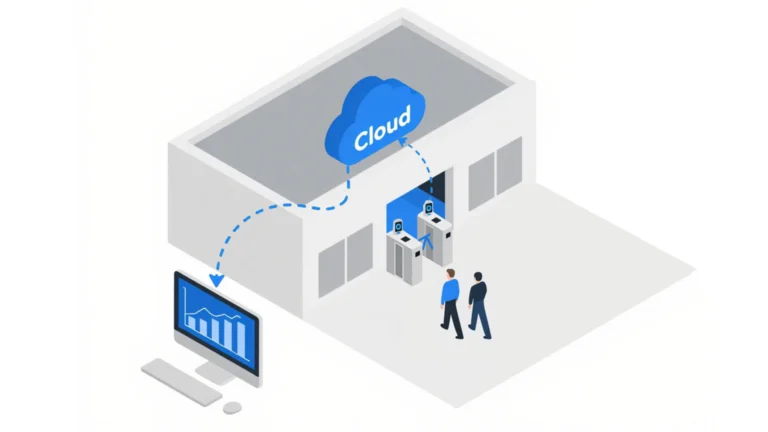
Adaptability for Modern Offices
Today’s offices are becoming more flexible. Many organizations operate with hybrid work models, multiple office locations, or flexible working hours.
Fortunately, modern biometric clocks can adapt to these changing work environments.
Many systems support:
• Cloud-based attendance management
• Remote data synchronization
• Multi-location attendance tracking
• Integration with mobile management platforms
Because of these capabilities, companies can easily monitor employee attendance across multiple offices or branches.
This makes the Biometric Clock an ideal solution for both small businesses and large enterprises.
Better Employee Accountability and Productivity
When attendance systems are transparent and accurate, employee accountability naturally improves.
Employees understand that attendance data is being recorded reliably. As a result:
• Punctuality increases
• Absenteeism decreases
• Work discipline improves
Over time, this leads to higher productivity and a more professional office environment.
A Biometric Clock therefore plays an important role in building a culture of responsibility and efficiency within the workplace.
Why Biometric Clocks Are the Future of Office Attendance
As businesses continue to adopt digital transformation strategies, traditional attendance systems are quickly becoming outdated.
A Biometric Clock offers a modern, reliable, and secure approach to office attendance management.
Key advantages include:
• Accurate employee time tracking
• Elimination of buddy punching
• Improved office security
• Automated HR and payroll processes
• Better workforce accountability
Because of these benefits, biometric clocks are increasingly becoming the standard solution for modern offices worldwide.
Conclusion
In today’s competitive business environment, efficient workforce management is more important than ever. Traditional attendance systems can no longer meet the demands of modern offices.
By implementing a Biometric Clock, organizations can improve attendance accuracy, strengthen security, and streamline HR operations.
Whether your company is a small office or a large enterprise, upgrading to a biometric attendance system is a smart investment for long-term efficiency and productivity.
FAQ
What is a Biometric Clock?
A Biometric Clock is an advanced attendance system that uses unique biological traits like fingerprints, face, palm vein, or iris to authenticate and record employee attendance.
How does a Biometric Clock improve office security?
It ensures that only authorized personnel can clock in or access restricted areas, preventing buddy punching and unauthorized entry.
Can a Biometric Clock integrate with payroll software?
Yes, most modern Biometric Clocks integrate with HR and payroll systems to automate salary calculations and attendance reporting.
Is it suitable for remote or hybrid offices?
Absolutely. Cloud-based or networked biometric clocks allow employees to clock in from different locations while maintaining accurate records.
What types of biometric technologies are used in Biometric Clocks?
Common methods include fingerprint recognition, facial recognition, palm vein scanning, and iris recognition, each providing high security and accuracy.
