


What Is a Contactless Facial Recognition Time Attendance System?
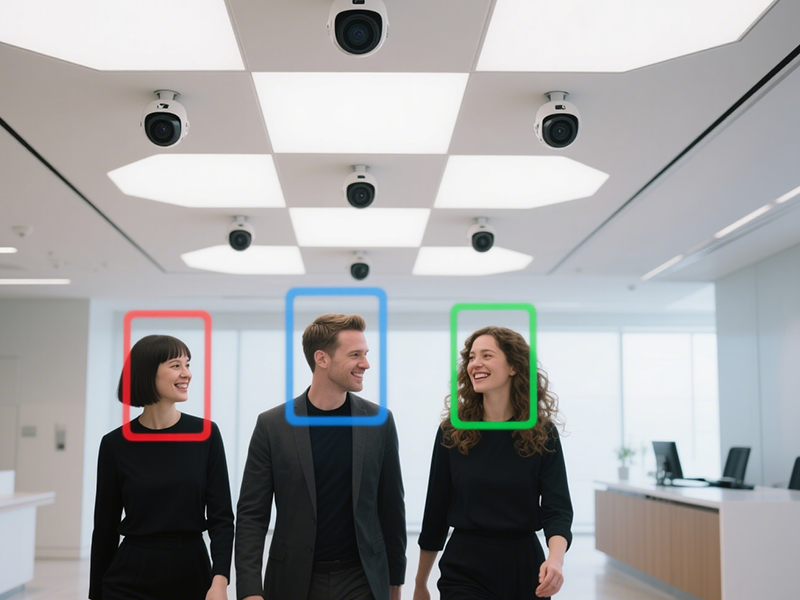
A contactless facial recognition attendance system is a biometric solution that identifies employees by analyzing unique facial features. Using AI-powered cameras and intelligent algorithms, the system verifies a person’s identity within seconds — without requiring any touch.
Unlike traditional time clocks, this system:
Captures facial data in real time
Matches it against stored employee records
Automatically records attendance logs
Syncs data with attendance management software
Therefore, businesses can achieve accurate, automated, and secure time tracking with minimal human intervention.
Why Businesses Are Switching to Contactless Attendance
1. Improved Workplace Hygiene
First and foremost, hygiene has become a major concern in shared work environments. Because employees no longer need to touch scanners or keypads, a contactless facial attendance system significantly reduces the risk of cross-contamination.
This makes it especially valuable for hospitals, factories, schools, and office buildings.
2. Faster Employee Check-In
In addition, facial recognition allows instant identification. Employees can walk past the device, and attendance is recorded in less than a second. Consequently, this reduces long queues during peak hours such as shift changes.
3. Prevention of Time Fraud
Traditional attendance systems are vulnerable to “buddy punching,” where one employee clocks in for another. However, facial recognition uses unique biometric data, making impersonation extremely difficult. As a result, companies benefit from more accurate payroll and workforce accountability.
4. Touchless and User-Friendly Experience
Moreover, the system provides a smooth and modern user experience. Employees do not need to remember PIN codes or carry ID cards. Instead, their face becomes their secure credential.
How the Technology Works
A facial recognition time attendance system typically follows these steps:
Face Detection – The device camera detects a face in front of the terminal
Feature Extraction – AI algorithms analyze facial landmarks such as eye distance and facial contours
Template Matching – The system compares the captured data with stored employee templates
Attendance Logging – Once verified, the system records the time and sends data to the attendance platform
Because of advanced AI and deep learning technologies, modern systems can work under various lighting conditions and recognize users even when they wear glasses or masks (depending on configuration).
Key Features of Modern Facial Recognition Attendance Systems
1. High-Speed Recognition
Speed is a major advantage of a facial recognition time attendance system. Advanced AI algorithms allow the device to identify users in under one second, even during peak hours. This ensures smooth entry and exit flow, reduces queues during shift changes, and keeps attendance recording efficient without slowing down daily operations.
2. Contactless Operation
A contactless attendance system allows employees to check in without touching any device. This improves workplace hygiene and reduces the spread of germs in shared environments. At the same time, touchless operation minimizes physical wear on equipment, helping lower maintenance needs and extending the device’s lifespan.
3. Cloud and Software Integration
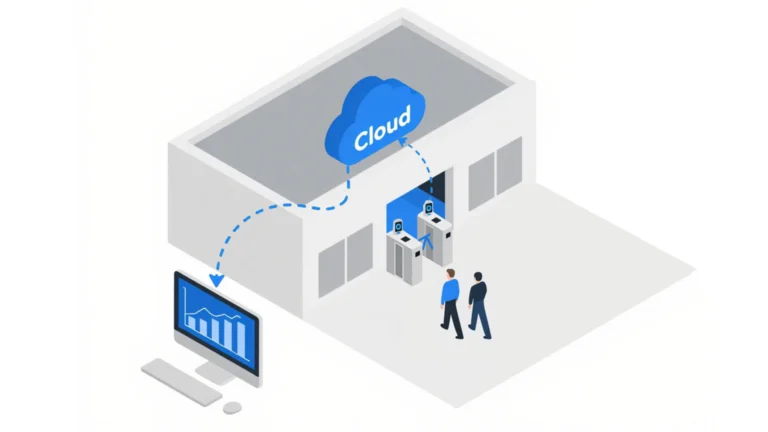
Modern devices can connect with cloud-based attendance management software to sync records in real time. Managers can easily track work hours, shifts, and attendance reports from anywhere. This integration turns a simple attendance device into a complete workforce management solution.
4. Multi-Authentication Support
In addition to facial recognition, many systems support fingerprint, RFID/NFC cards, QR codes, or PIN login. This provides flexibility in environments where face scanning may be limited, such as when employees wear masks or protective gear. Multiple verification options ensure reliable attendance tracking in different scenarios.
5. Anti-Spoofing and Liveness Detection
Security features like liveness detection help prevent fake check-ins using photos or videos. The system verifies that a real person is present, protecting attendance data from fraud. This improves record accuracy and ensures trustworthy data for payroll and compliance.
Industries That Benefit Most
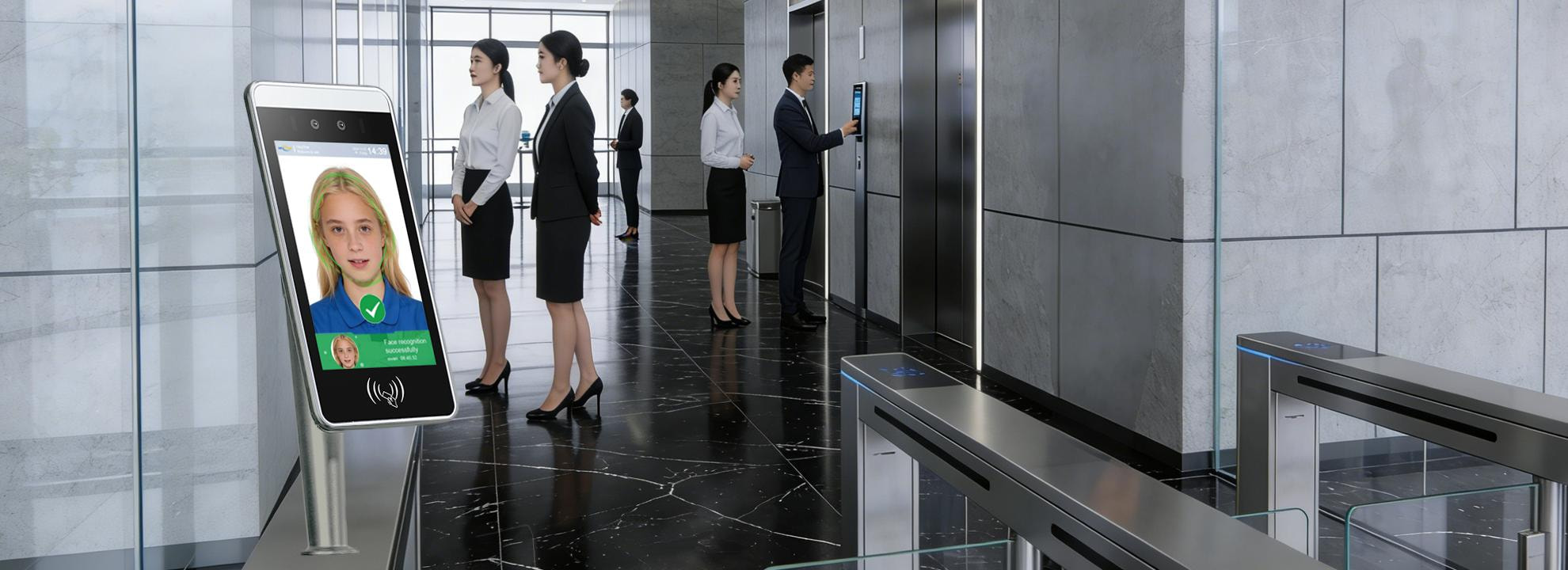
A contactless facial recognition time attendance system is suitable for a wide range of industries. For example:
Corporate Offices – Efficient staff attendance tracking
Manufacturing Facilities – Fast shift management for large workforces
Healthcare Institutions – Hygienic and touch-free identification
Schools and Universities – Automated student and staff attendance
Government and Enterprises – Secure and reliable identity verification
Because the system is scalable, it can be deployed in both small businesses and large multi-site organizations.
Integration with Attendance Management Software
While hardware captures attendance data, software plays an equally important role. When integrated with a professional attendance management platform, businesses can:
Monitor employee work hours in real time
Manage shifts and schedules
Generate payroll-ready reports
Track overtime and late arrivals
Access attendance data remotely
Therefore, combining facial recognition devices with intelligent attendance software creates a complete workforce management ecosystem.
Future Trends in Facial Recognition Attendance
Looking ahead, facial recognition attendance systems will become even more intelligent. For instance, AI improvements will allow faster recognition, higher accuracy, and better adaptability to different environments. Furthermore, cloud connectivity will enable centralized management across multiple locations.
As businesses continue to prioritize efficiency, automation, and hygiene, contactless biometric attendance solutions will remain a key part of modern workplace infrastructure.
Conclusion
A contactless facial recognition time attendance system is more than just a modern upgrade — it is a strategic investment in workplace efficiency, security, and employee convenience. By eliminating physical contact, preventing time fraud, and automating attendance management, organizations can significantly improve operational performance.
For companies seeking a reliable and scalable attendance solution, facial recognition technology offers a smart, future-ready approach to workforce management.
